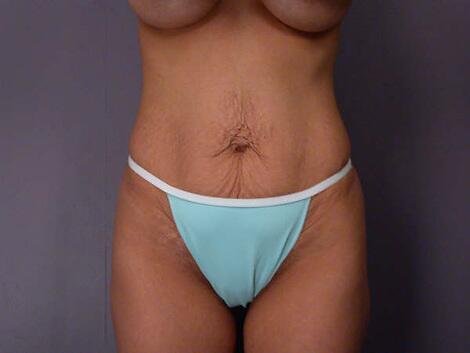
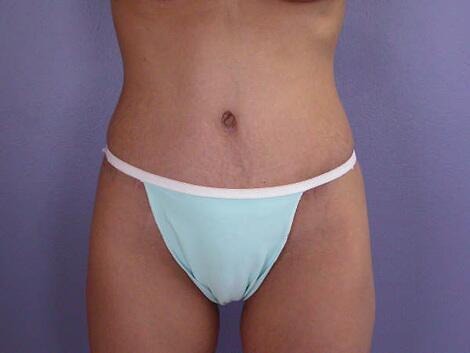
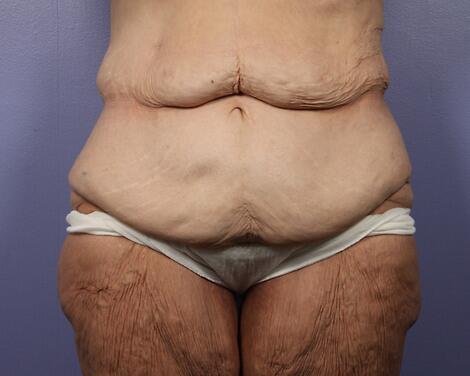
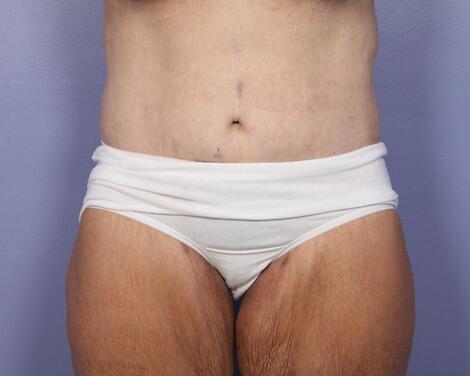
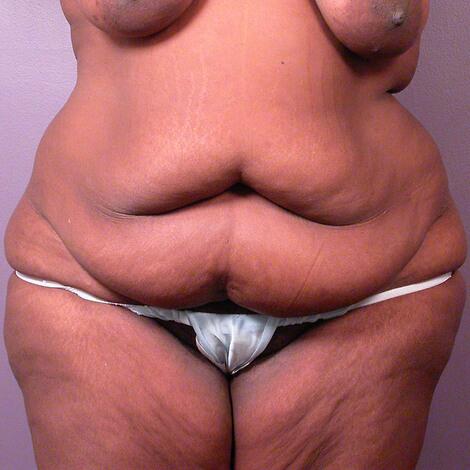
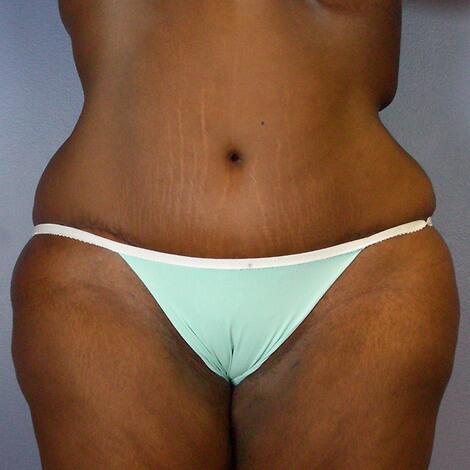
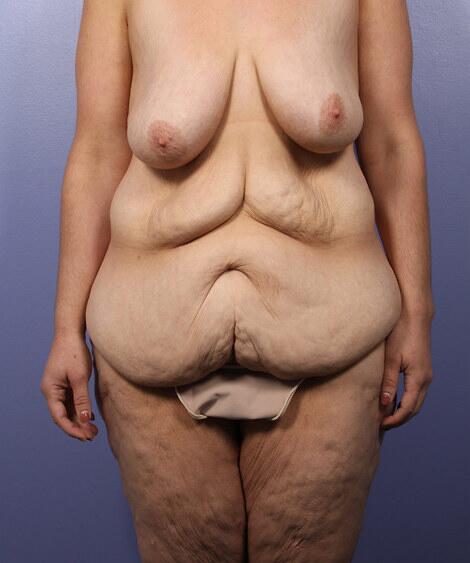
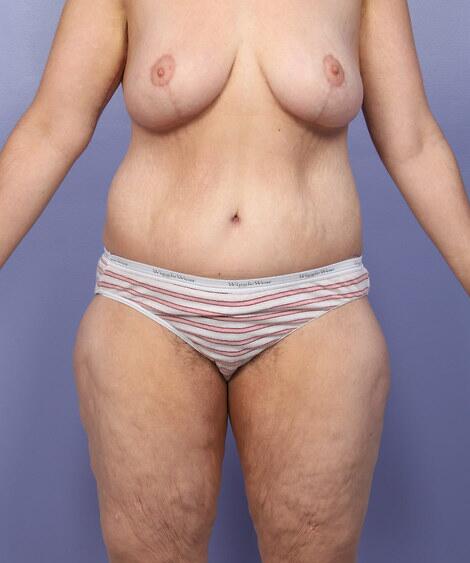
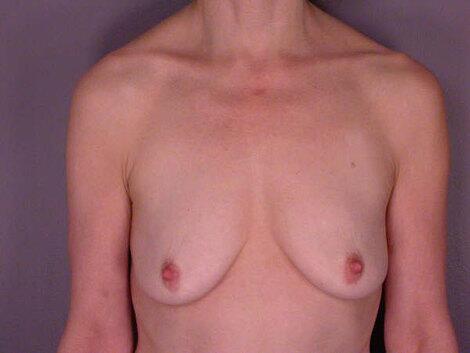
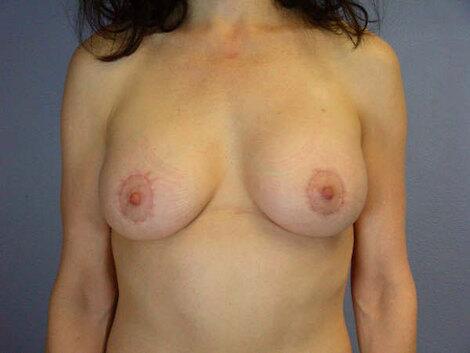
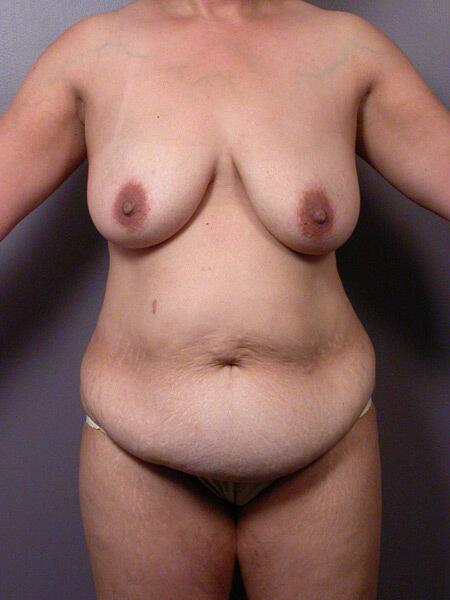
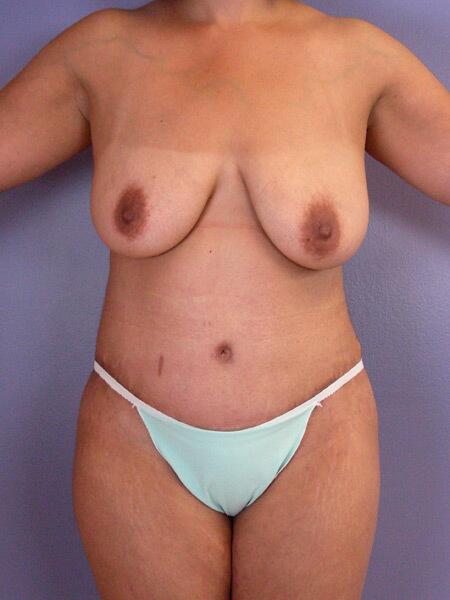
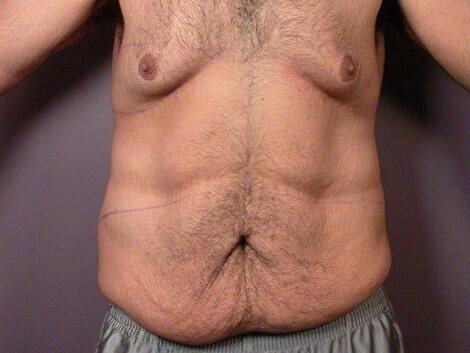
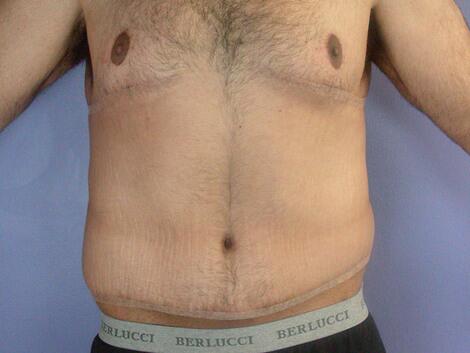
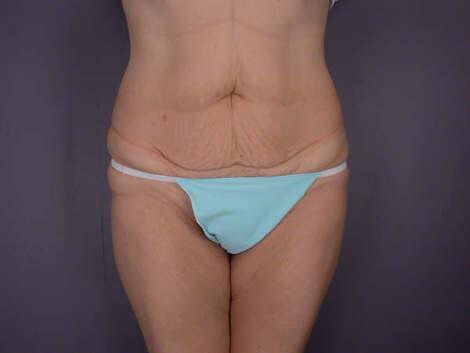
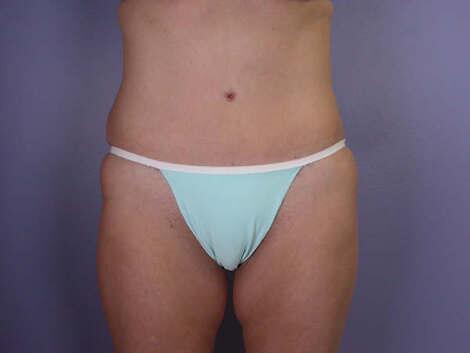
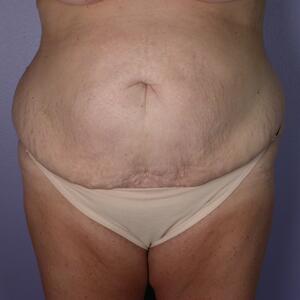
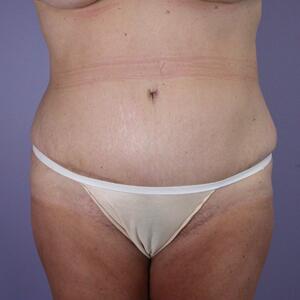
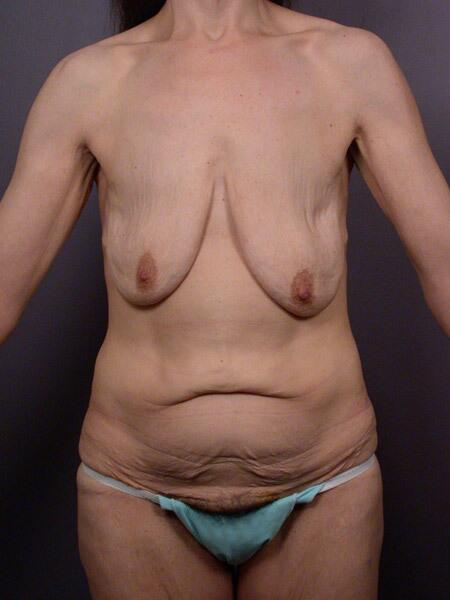
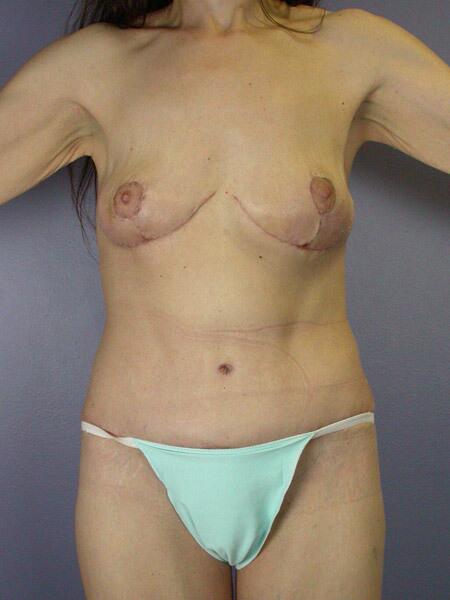
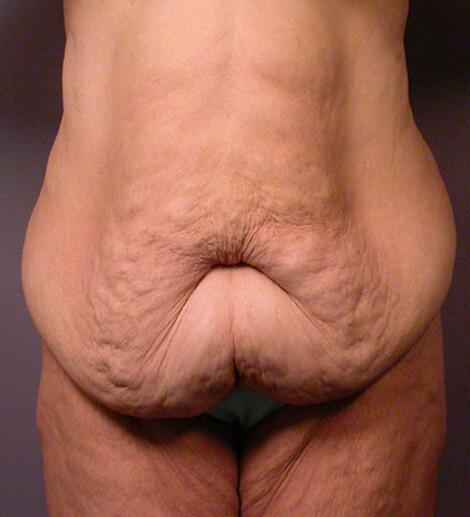
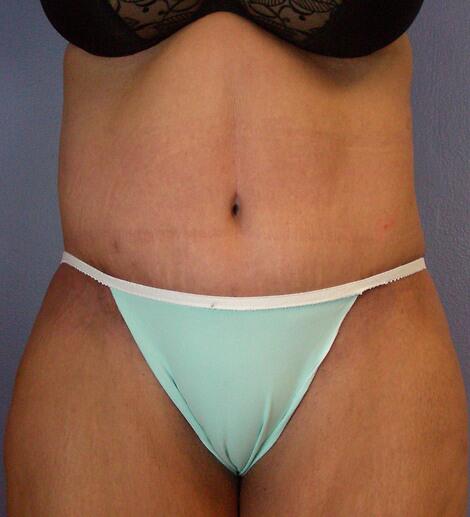
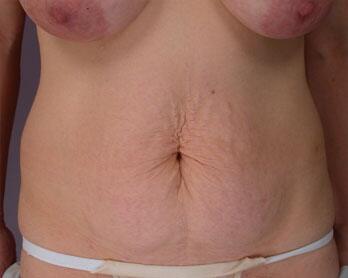
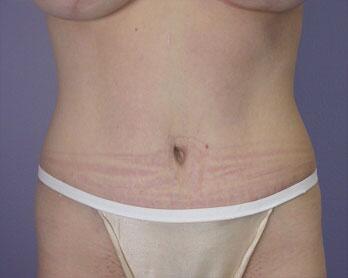
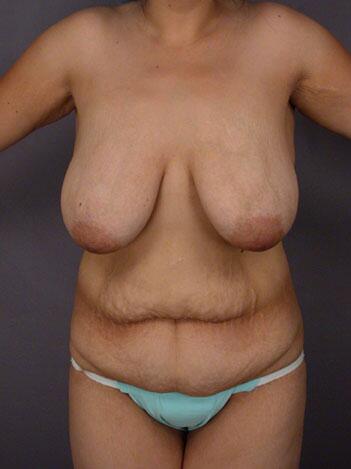
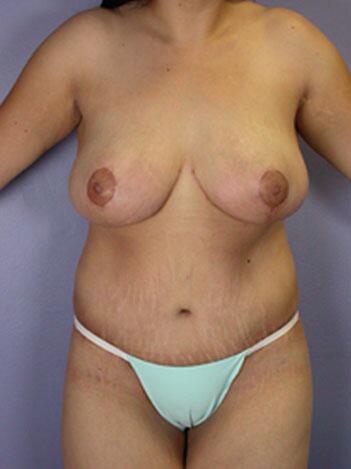
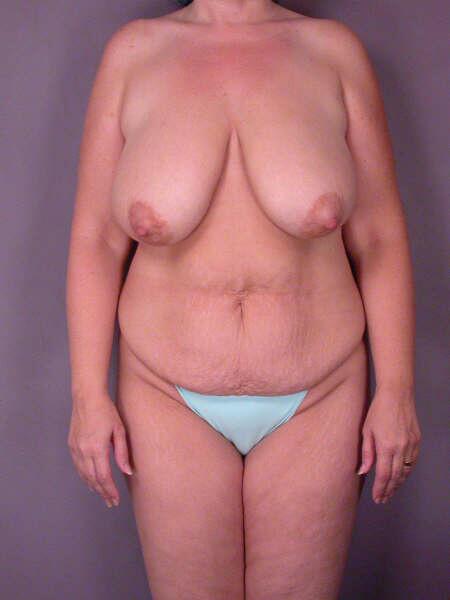
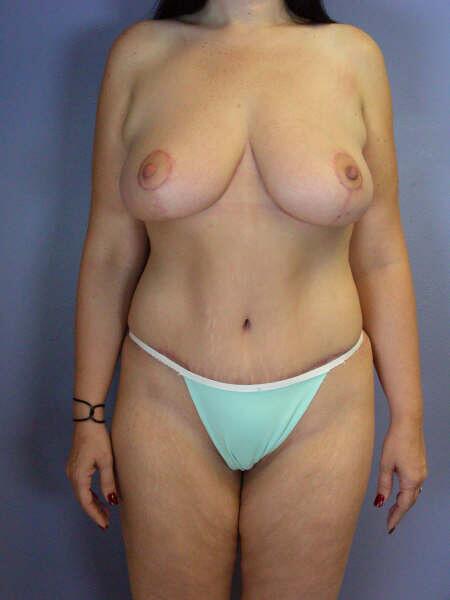
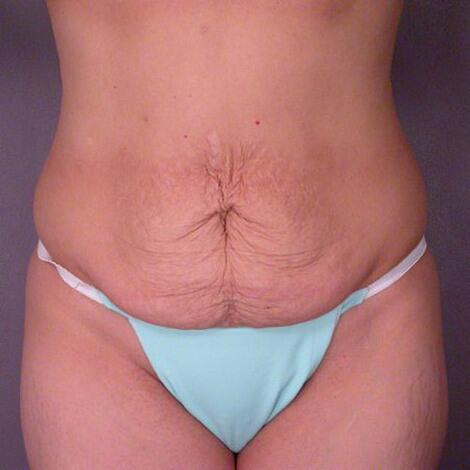
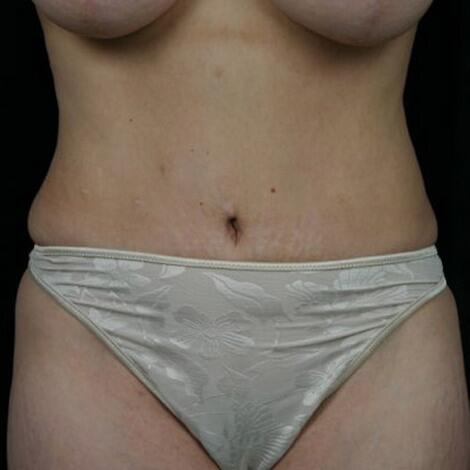
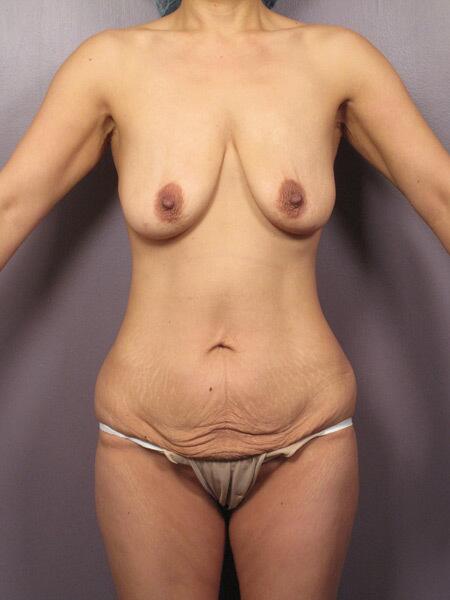
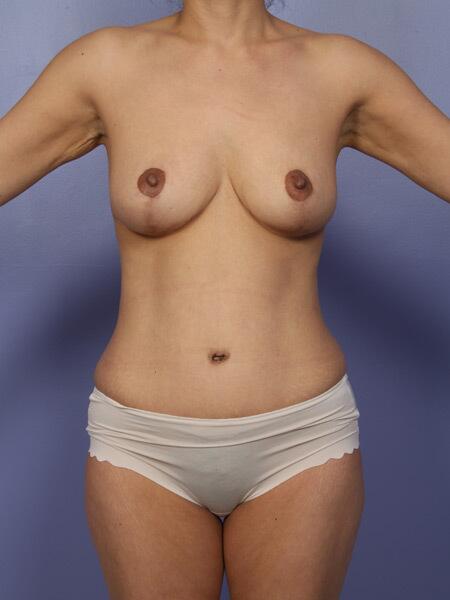
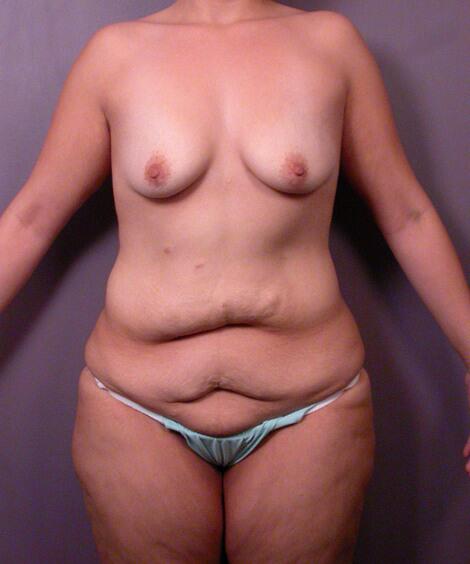
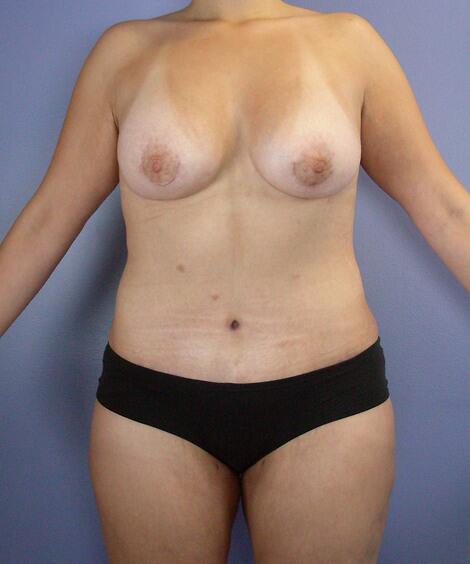
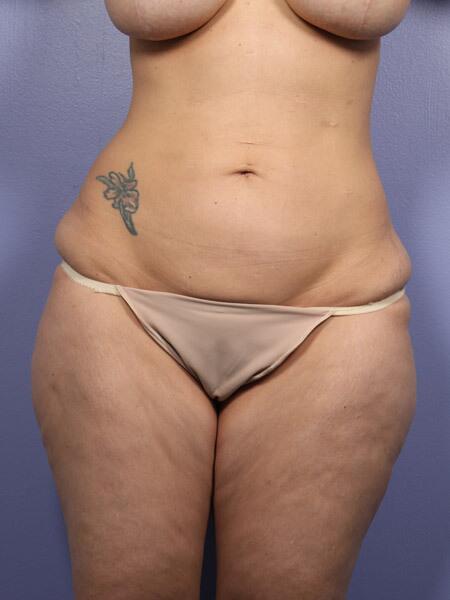
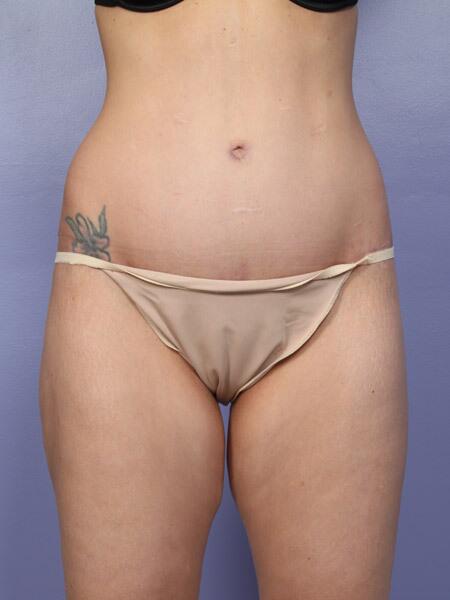
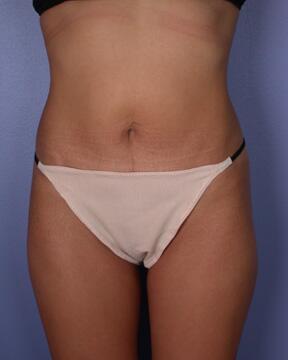
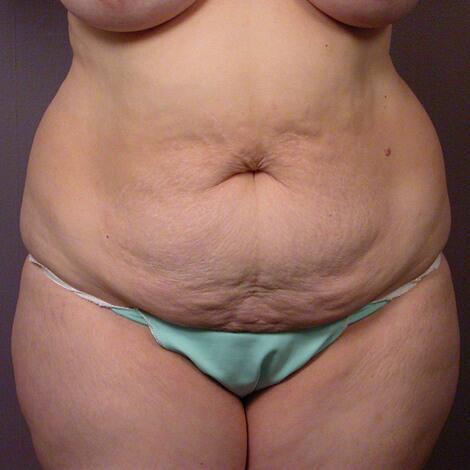
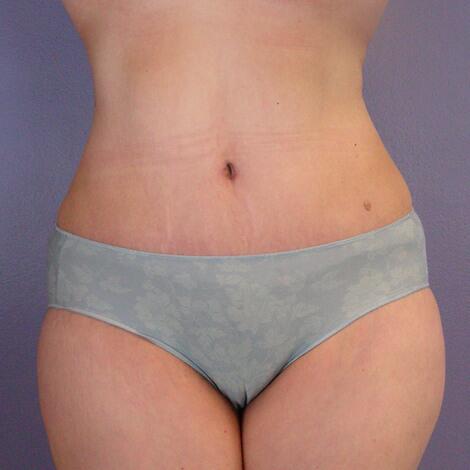
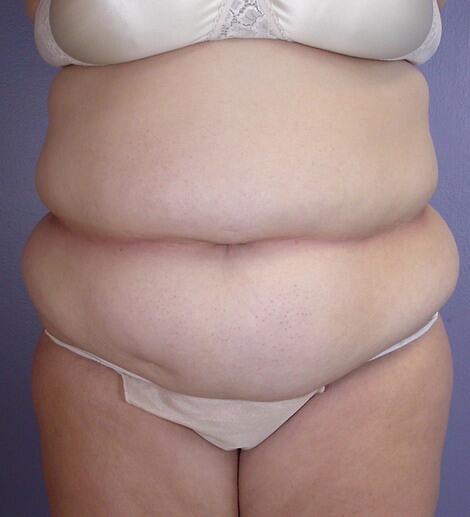
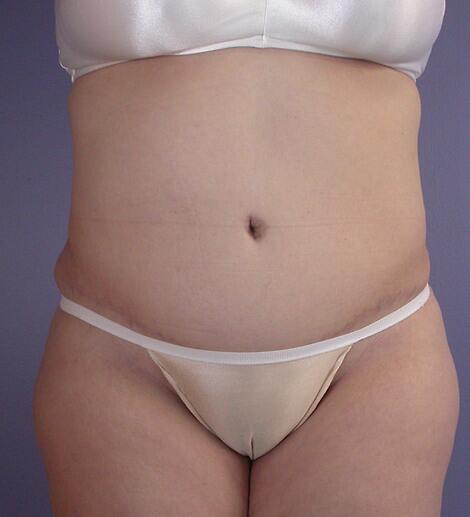
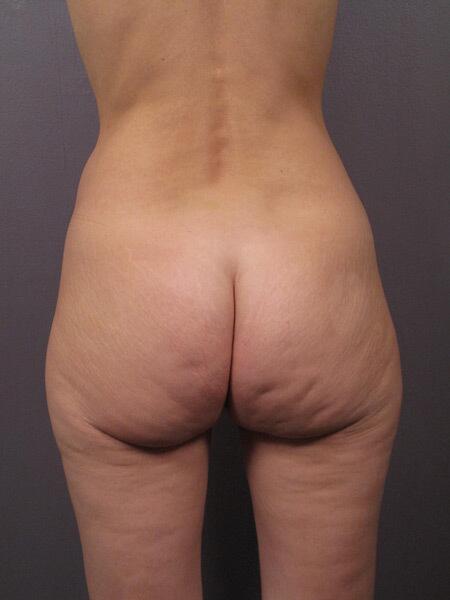
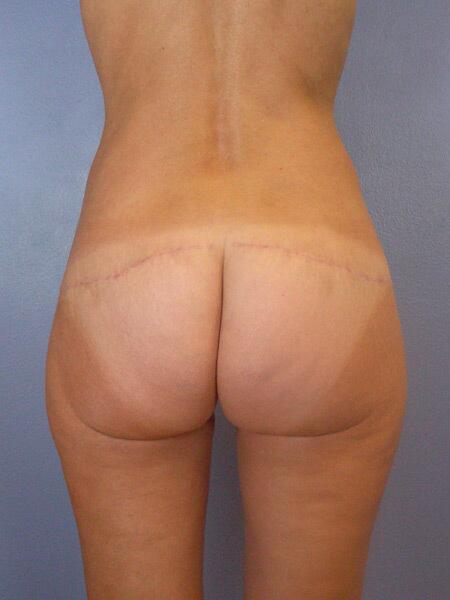
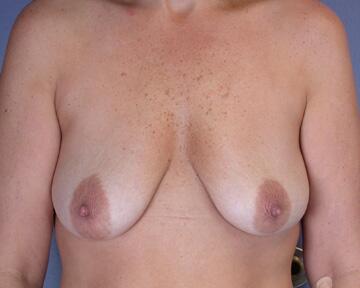
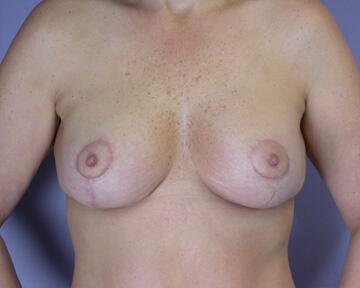
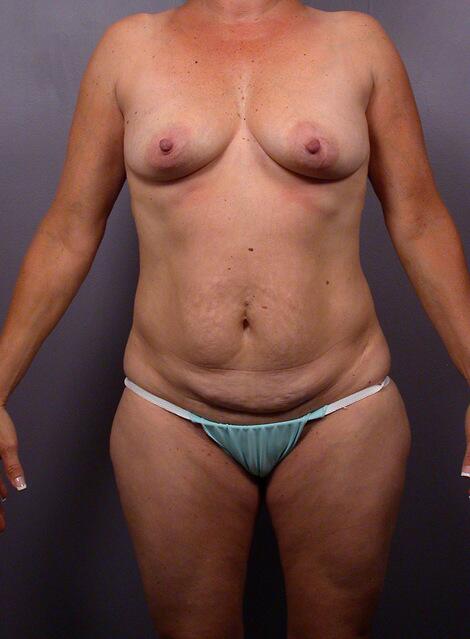
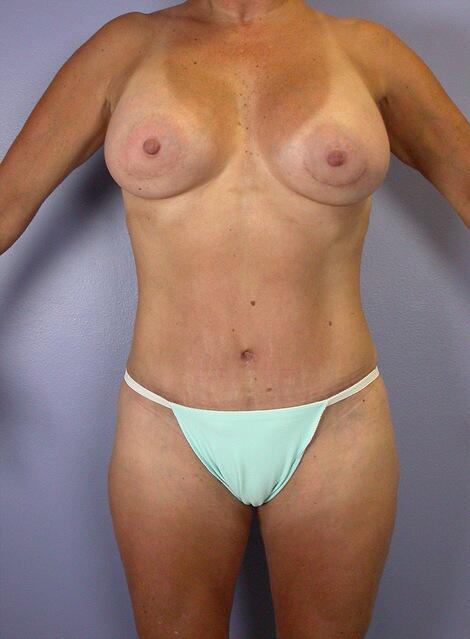
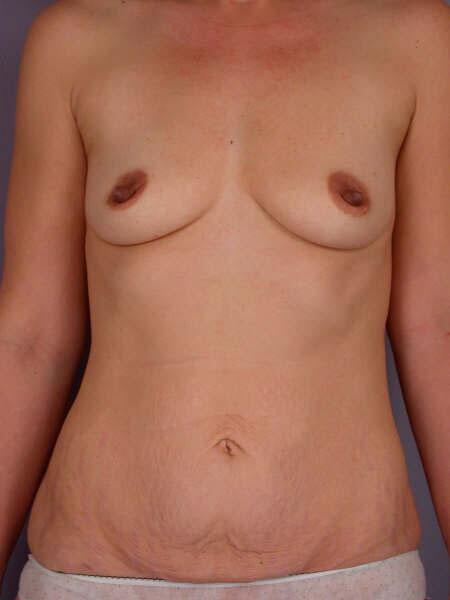
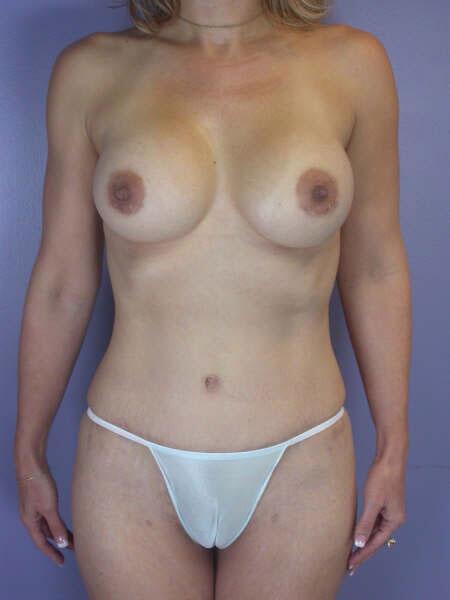
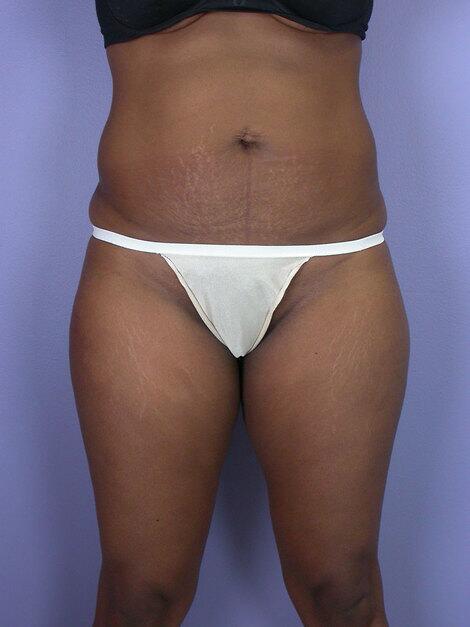
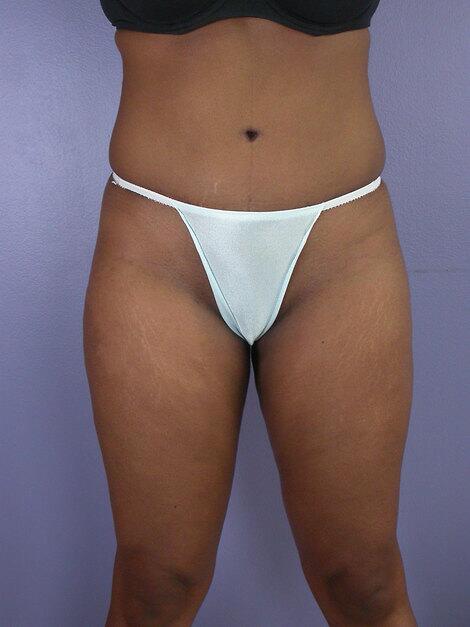
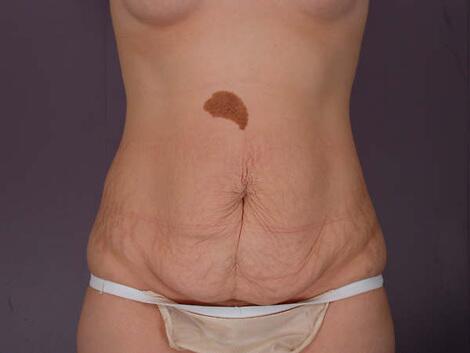
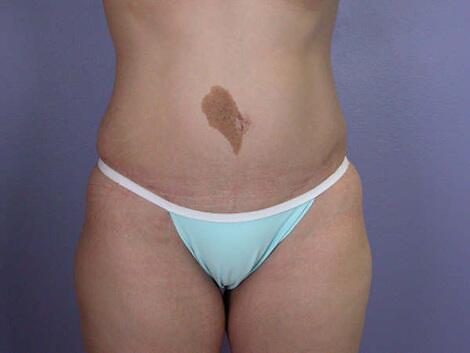
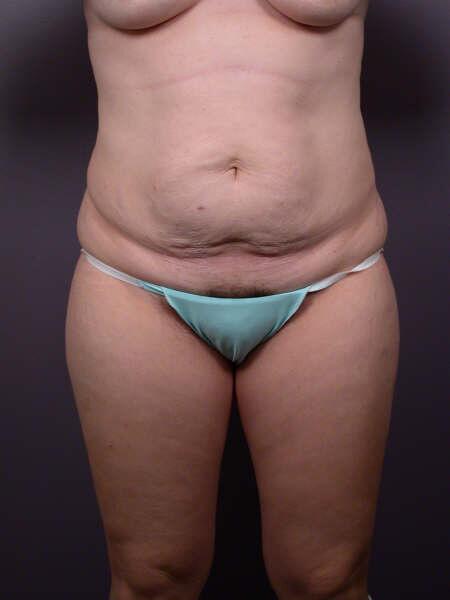
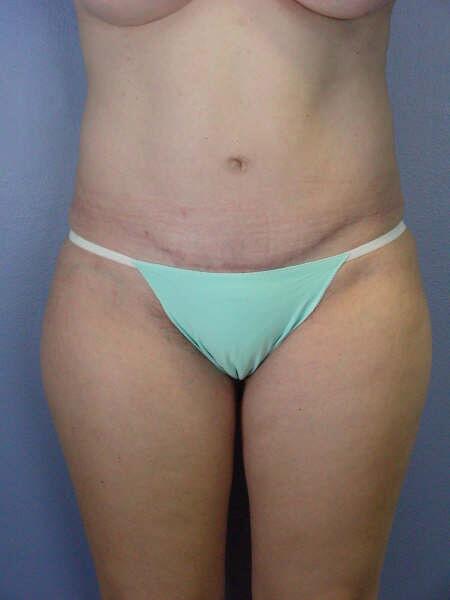
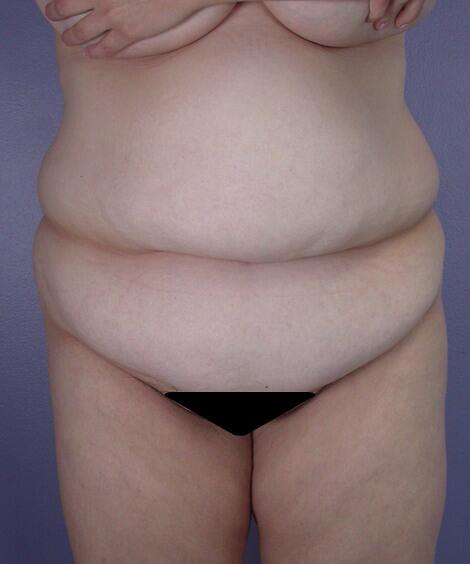
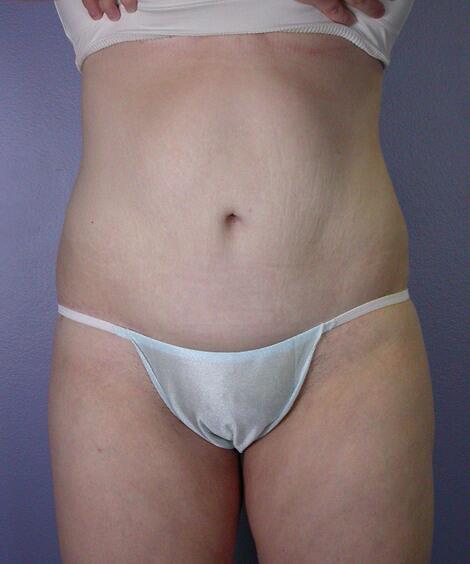
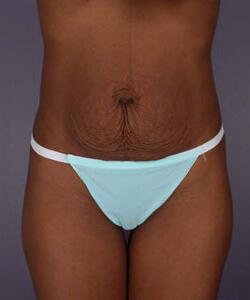
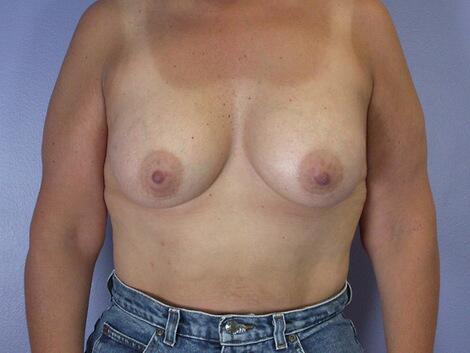
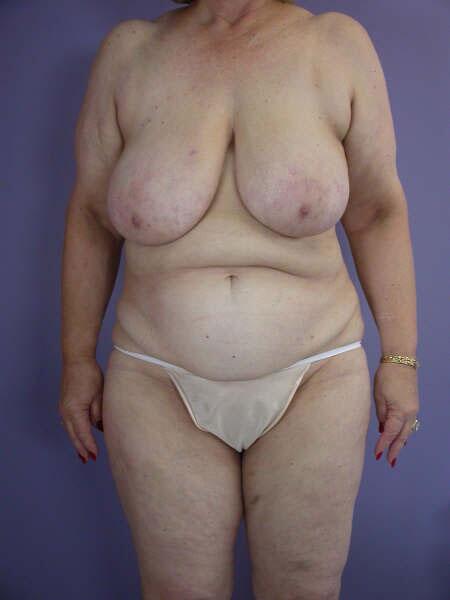
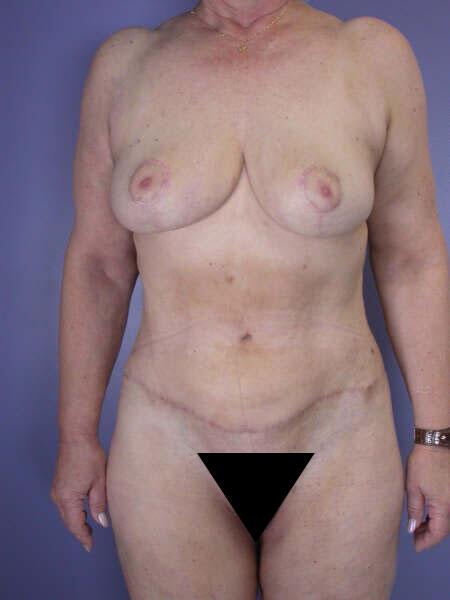
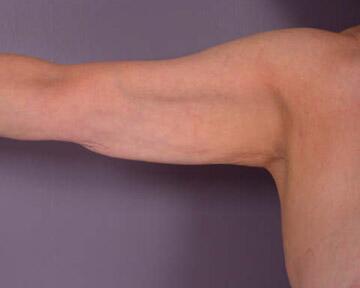
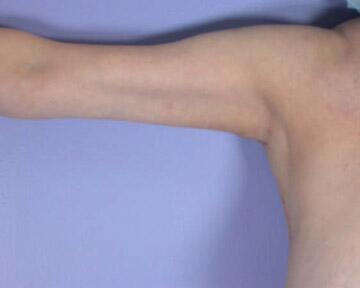
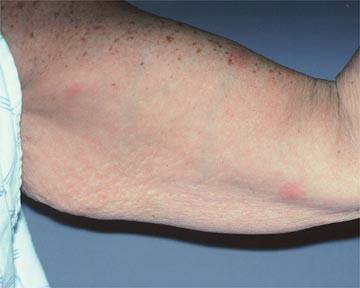
Major weight loss is a significant accomplishment, whether by dieting alone or after bariatric surgery. Fitting into new, smaller clothing enhances the excitement you feel when you step on a scale. You are healthier, happier, and probably more active. But many of our Los Angeles and Beverly Hills plastic surgery patients feel uncomfortable with areas of excess skin after weight loss, and seek help at our practice.
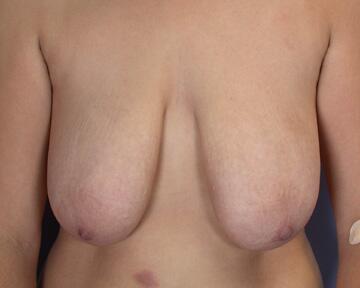
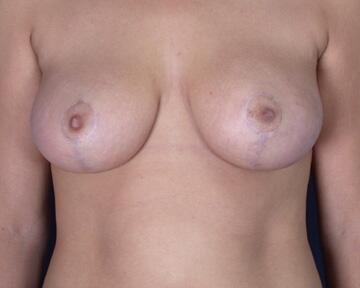
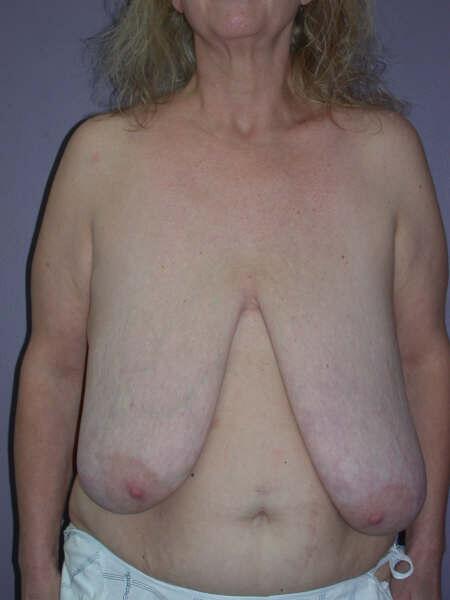
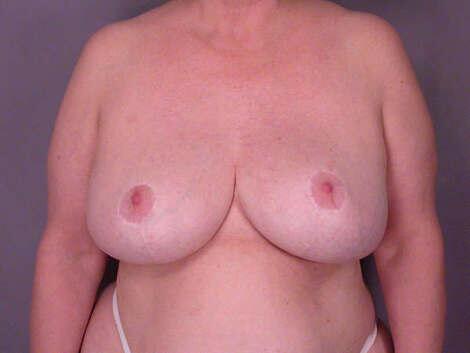
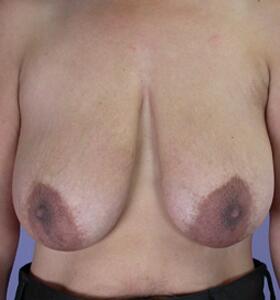
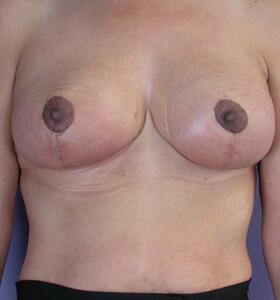
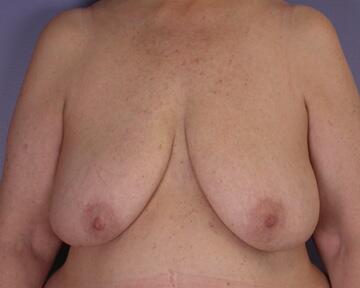
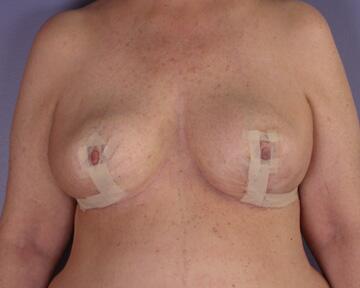
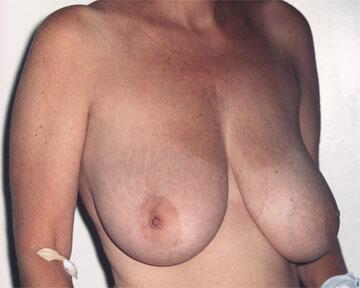
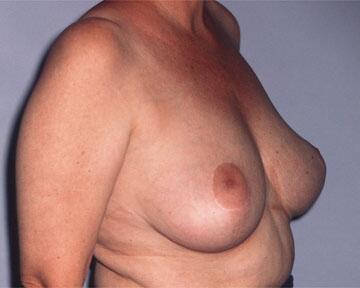
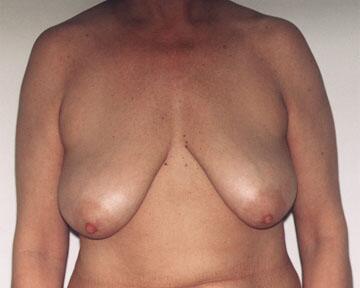
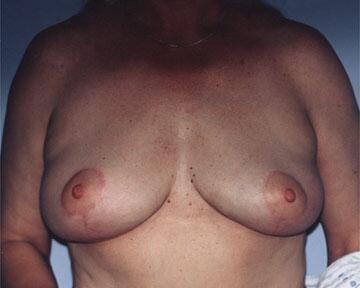
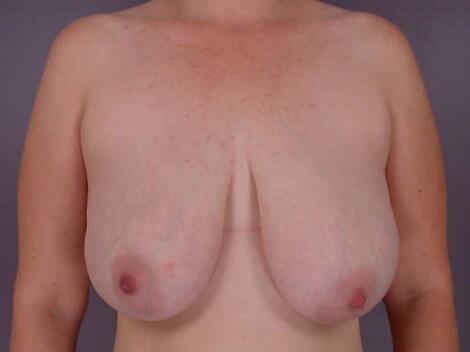
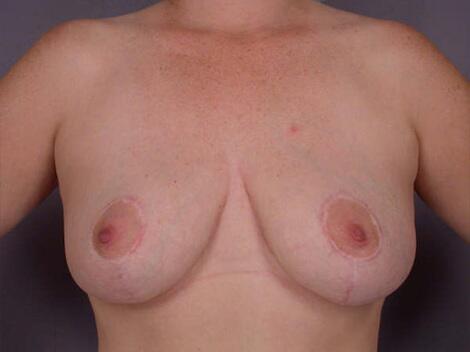
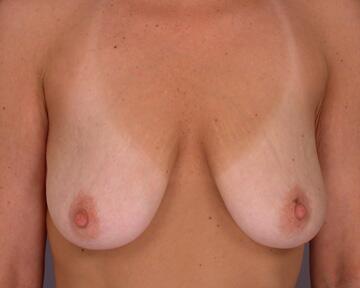
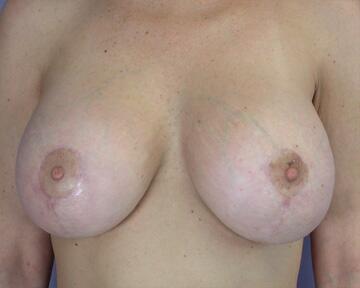
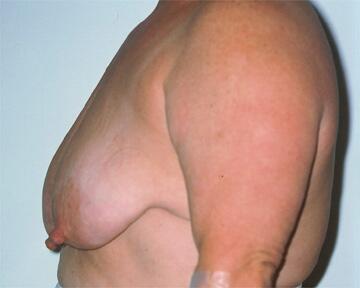
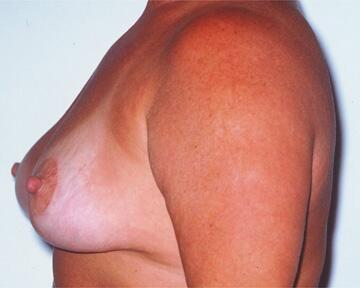
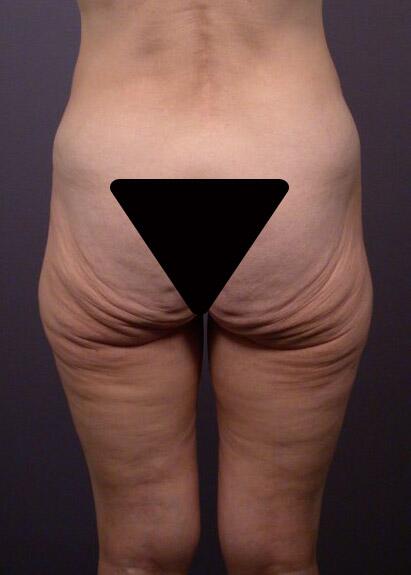
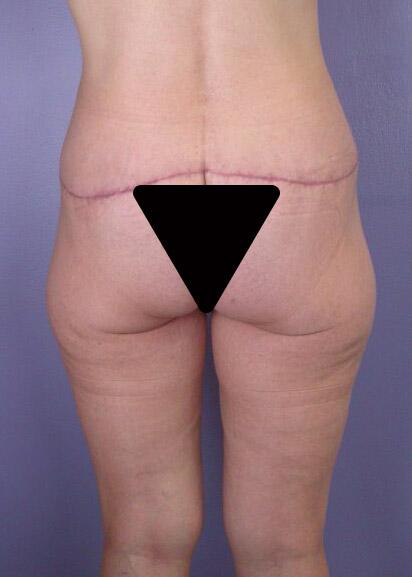
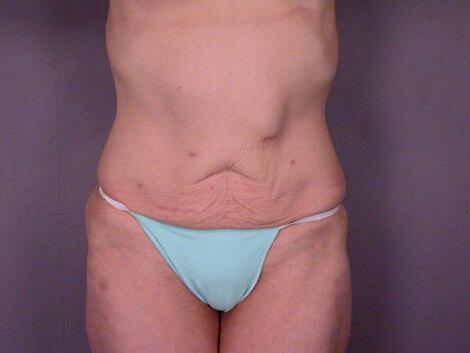
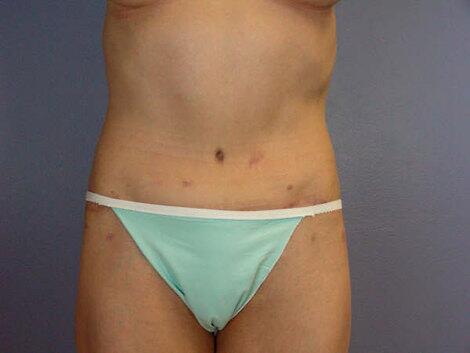
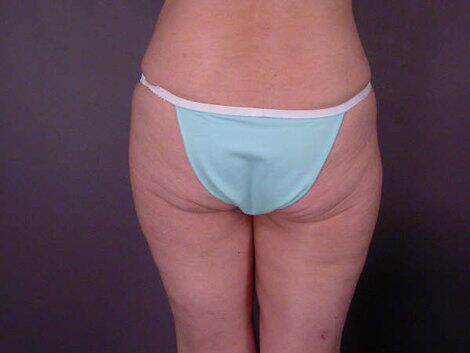
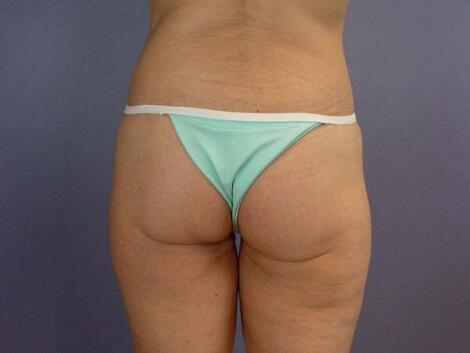
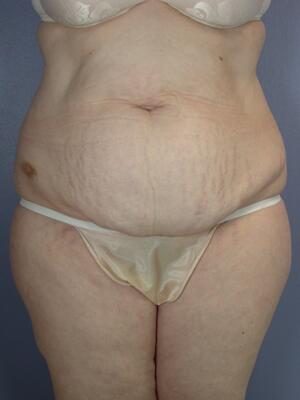
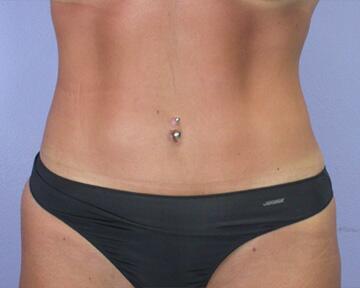
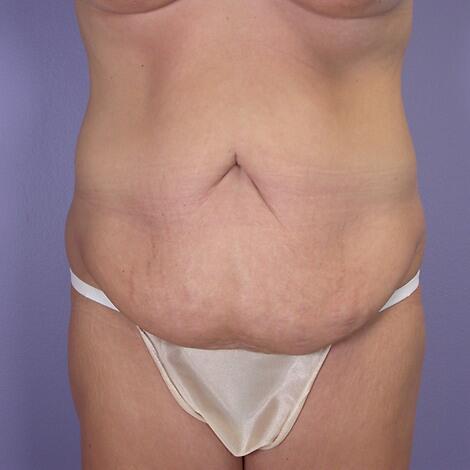
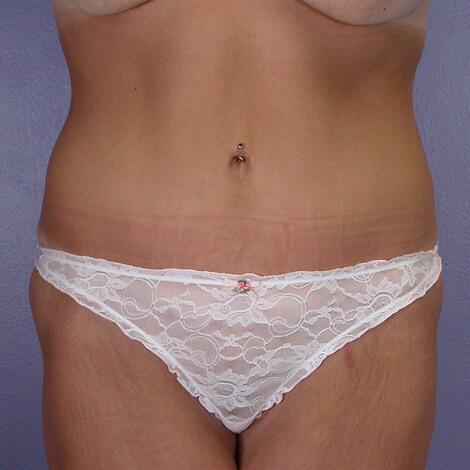
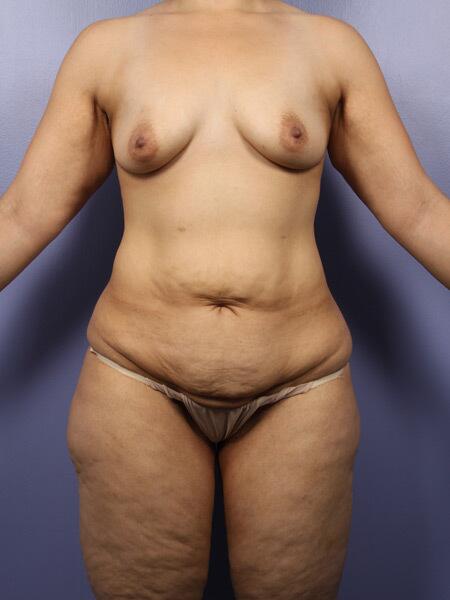
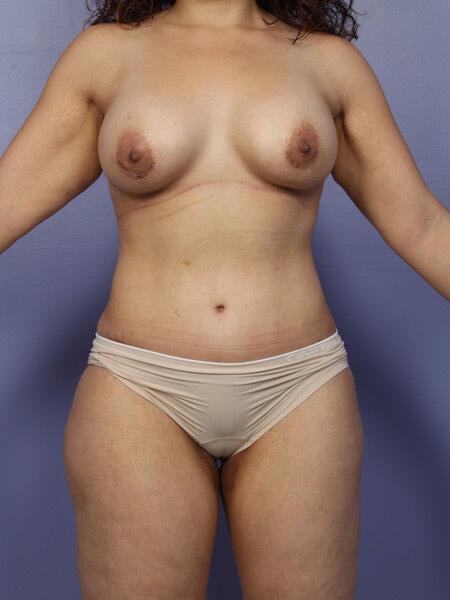
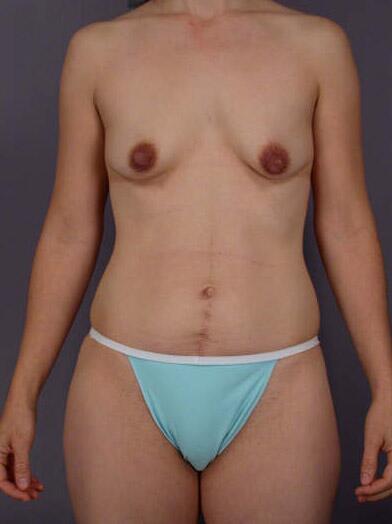
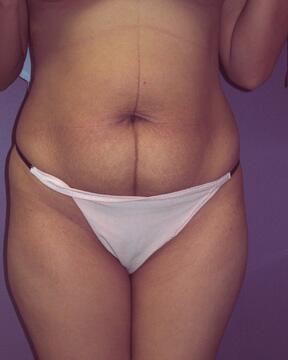
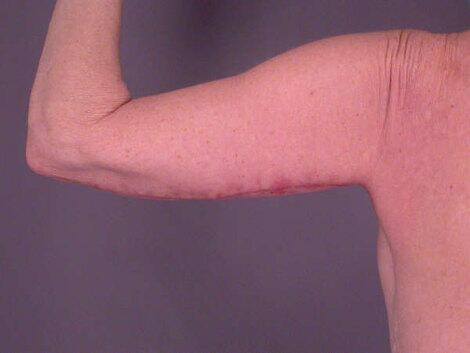
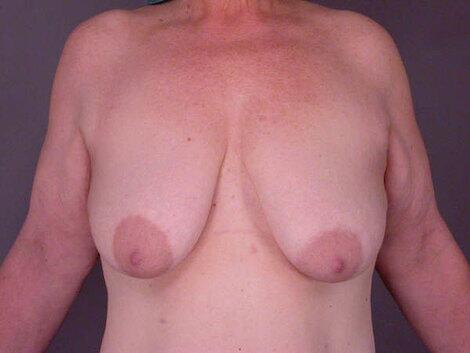
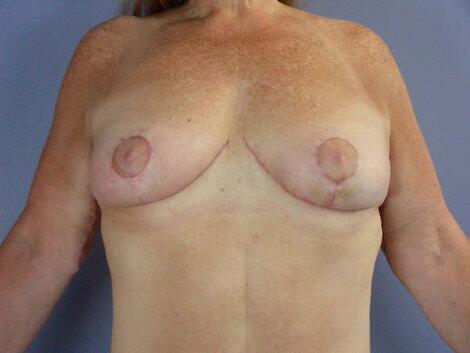
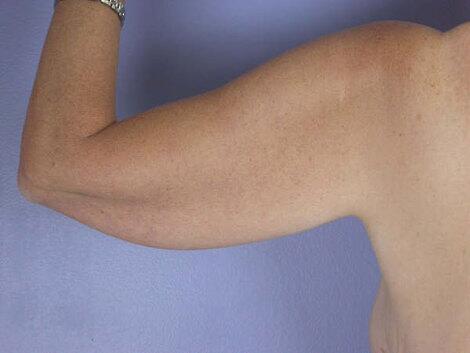
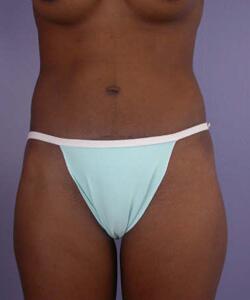
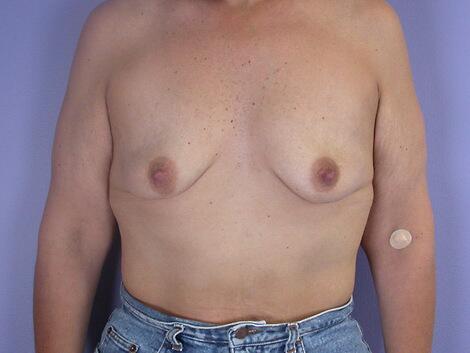
See before & after photos of actual patients from Marina Plastic Surgery.
Plastic surgery after weight loss removes loose skin and reshapes tissue that has not adapted to a smaller body size. The plan may involve one area or several operations performed in stages. It can help with hanging folds, clothing fit, and discomfort caused by excess skin.
This surgery does not treat obesity or replace ongoing weight management. Its purpose is to address the skin and contour changes that remain after your weight has settled.
Your priorities help determine where to begin. A fold that rubs during walking may matter more to you than a second area that is mainly a concern in clothing. Your surgeon considers both the change you want and the amount of surgery your body can tolerate.
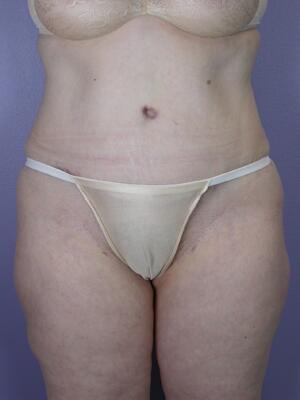
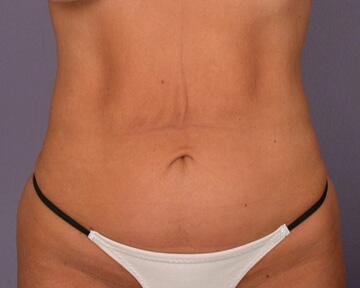
A tummy tuck removes excess abdominal skin and can repair separation in the underlying abdominal-wall support. If loose skin extends far around the sides, a longer incision or a broader lift may be needed.
A lower body lift addresses loose tissue around the lower trunk, including the abdomen, hips, outer thighs, and buttocks. It can improve the transition between these areas but involves a longer scar and a more involved recovery than treatment of the abdomen alone.
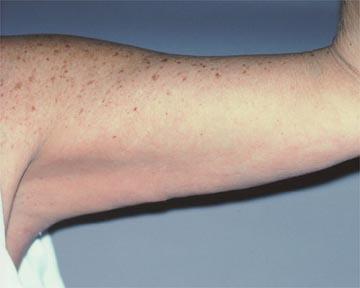
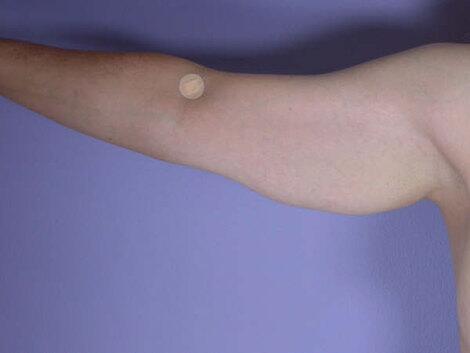
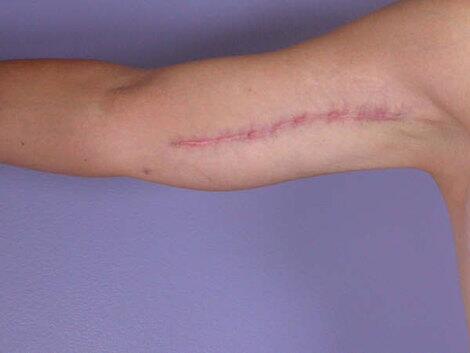
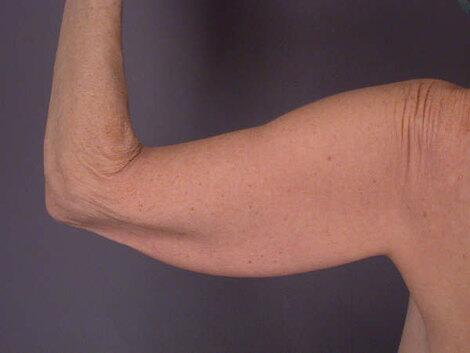
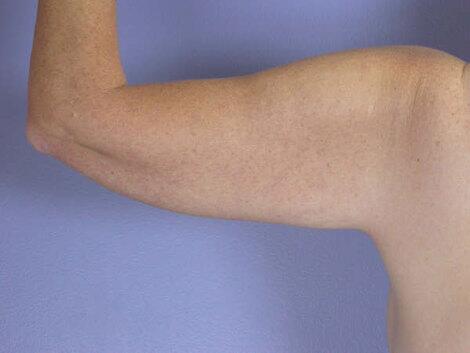
An arm lift removes hanging upper-arm skin. A thigh lift addresses laxity in selected parts of the thighs. The amount of skin and how far it extends along the limb determine the incision pattern.
Weight loss can change both breast position and fullness. A breast lift reshapes and raises the existing tissue. Augmentation may be considered when added volume is also wanted. Your surgeon will explain what a lift alone can achieve before discussing implants or fat transfer.
Liposuction can refine remaining fat deposits, but it does not remove hanging skin. After substantial weight loss, skin quality is especially important: reducing volume beneath loose skin can make the laxity more apparent.
Excess skin is unsightly and can seriously hinder your ability to participate in certain physical activities that could further improve your health. Excess loose skin can also make you self-conscious about wearing certain outfits. After all the work you’ve put into losing the weight, shouldn’t you have the freedom to wear what you want and look the way you have always wanted? In Los Angeles, plastic surgery can be the final step to complete your transformation.
According to the American Society of Plastic Surgeons, plastic surgery after major weight loss requires special care from highly experienced surgeons. Our doctors are nationally recognized body contouring specialists with knowledge of the special needs of post weight loss patients. The main difference between cosmetic surgery after major weight loss and other cosmetic procedures is the need to assess the entire body not just one targeted area. Excess skin will pucker and fold over many sections of the body from the breasts, back, hips, abdomen, thighs, arms and pubic area.
Body contouring of the torso usually requires a different procedure, such as a tummy tuck in Los Angeles, than body contouring of the thighs and buttocks or arms and breasts. Your skin’s texture and the amount of tissue laxity will affect incision sites, the amount of skin removal, and the degree to which scars from your plastic surgery will be visible.
You may be a candidate when your weight has stabilized, excess skin bothers you, and your health supports surgery. Your consultation includes a review of your weight history, previous bariatric operations, medications, nicotine use, and any problems with healing or blood clots.
Nutrition needs particular attention after major weight loss. Your surgeon may request blood tests and coordinate with your treating clinician to address anemia or nutritional deficiencies before surgery. A smaller number on the scale does not, by itself, establish readiness.
You also need time for recovery and help at home. Plan to discuss work, caregiving, transportation, and how you would manage more than one recovery period if procedures are staged.
Significant weight loss supported by medications such as semaglutide or tirzepatide can leave loose skin, just as weight loss through other methods can. The amount of laxity depends on factors including the amount lost, prior skin stretching, age, and tissue quality.
A consultation can help you plan ahead, but the operation is best timed around a stable, sustainable weight and adequate nutrition. Tell your surgeon if you are still losing weight, increasing your dose, or struggling to eat enough.
These medications can delay stomach emptying, which affects anesthesia planning. Your surgeon, anesthesia team, and prescriber should coordinate your medication and fasting instructions. There is no single stop-date rule that applies to everyone. Do not change or restart medication without guidance from your care team.
Recovery depends on which areas are treated and whether surgery is performed in stages. An arm lift and a circumferential body lift place different demands on movement, incision care, and help at home.
During the early recovery period, expect swelling, bruising, fatigue, and limitations on lifting or stretching. You may have dressings, compression garments, or drains, depending on the operation. Short, gentle walks are generally encouraged as instructed, while exercise and strenuous work must wait for clearance.
Plan time away from work in weeks rather than days for extensive skin-removal surgery. Your surgeon will give you a more specific estimate once the procedure is defined. Improvement in soreness does not mean the incisions have regained their strength.
Keep follow-up appointments and contact your team about increasing redness, fever, worsening pain, or new fluid drainage. Chest pain, shortness of breath, or sudden significant leg swelling require urgent medical assessment.
Removing excess skin changes the contour at surgery, but swelling can obscure the result for several months. Scars continue to soften and fade after the shape has begun to settle. They remain permanent, and their length reflects the amount of correction.
Skin-removal surgery can make clothing more comfortable and reduce troublesome folds. It will not remove every stretch mark or prevent future aging. Maintaining a stable weight helps protect the result, while substantial weight changes or pregnancy can stretch the tissues again.
Cost depends on the areas treated, the extent of skin removal, the surgeon, and whether your plan requires one operation or several. Each stage may involve its own surgeon, anesthesia, facility, and recovery-related charges.
Ask for an estimate that separates the planned stages and identifies what is included. Marina’s financing information explains available payment options. Cosmetic contouring is generally self-pay. Any possible coverage for medically necessary skin removal must be confirmed with your insurer and the practice before surgery.
At Marina, the surgical plan considers how one area meets the next. An abdominal correction can affect the waistline; lifting the outer thighs can change the buttock contour. Looking at those relationships helps establish the right sequence and the limits of each procedure.
Dr. Justin Perez is a board-certified plastic surgeon and Marina’s Chief Medical Officer. Your consultation includes discussion of skin quality, incision placement, remaining fat, and recovery demands. For extensive changes, that discussion also covers what can be combined and what should be staged.
Your surgeon will look for a sustained plateau rather than a brief pause in weight loss. The appropriate interval depends on your weight history, nutrition, medical conditions, and planned procedures. Bring recent weight records and your longer-term treatment plan to the consultation.
Sometimes a combination is appropriate, but extensive correction may require separate operations. Surgical time, blood loss, wound size, and recovery demands all affect that decision. Treating your highest-priority area first can make a staged plan more manageable.
Exercise supports health and builds muscle, but it cannot remove a large fold of excess skin. If skin hangs or rubs despite a stable weight, your surgeon can explain the degree of improvement possible with skin removal.
A panniculectomy removes the hanging apron of lower-abdominal skin and fat. A tummy tuck usually addresses a broader cosmetic contour and may include repair of abdominal-wall separation. The procedures have different goals; discuss which fits your symptoms and anatomy.
Taking a weight-loss medication does not mean you will need plastic surgery. The decision depends on the skin changes you develop, how they affect you, and your preferences. Surgery is optional, and a consultation can help you understand the alternatives.
You deserve to look your best after all the effort you’ve put into losing those unwanted pounds. The consultation is your opportunity to discuss your specific goals with our surgeons. We strive to deliver the best plastic surgery after weight loss Los Angeles has to offer. To receive a private consultation, request your appointment online and schedule your visit during one of the select times our surgeons have set aside exclusively for Web visitors.
Losing Excess Skin After Weight Loss
Shaping Strecker
Ana's Aloha Body
Lifting Andre
Abdominoplasty (Tummy Tuck)
Liposuction
Discover why people from all 50 states and 63 countries around the world have made the journey to become our Patients for Life®. Schedule your consultation today to experience the industry-defining innovation and dedicated attention to detail of Marina Plastic Surgery in Los Angeles.
Brentwood location
Pasadena location