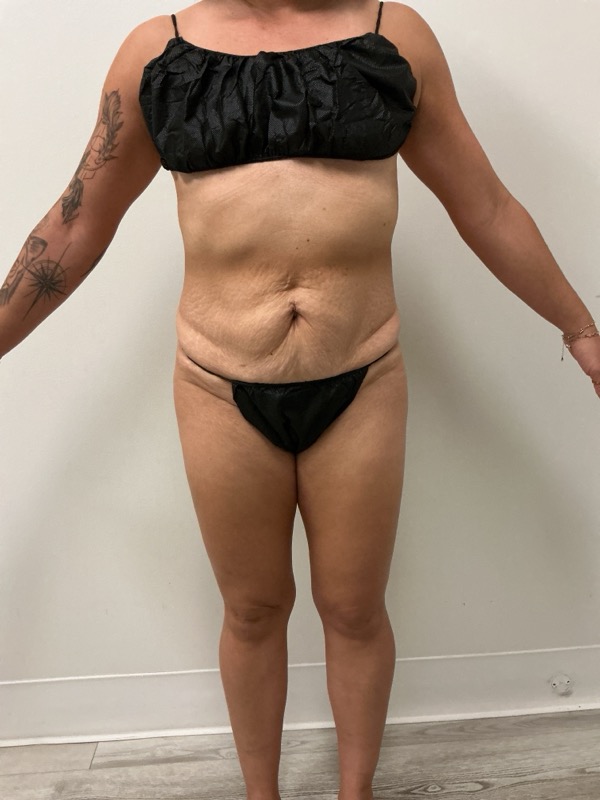
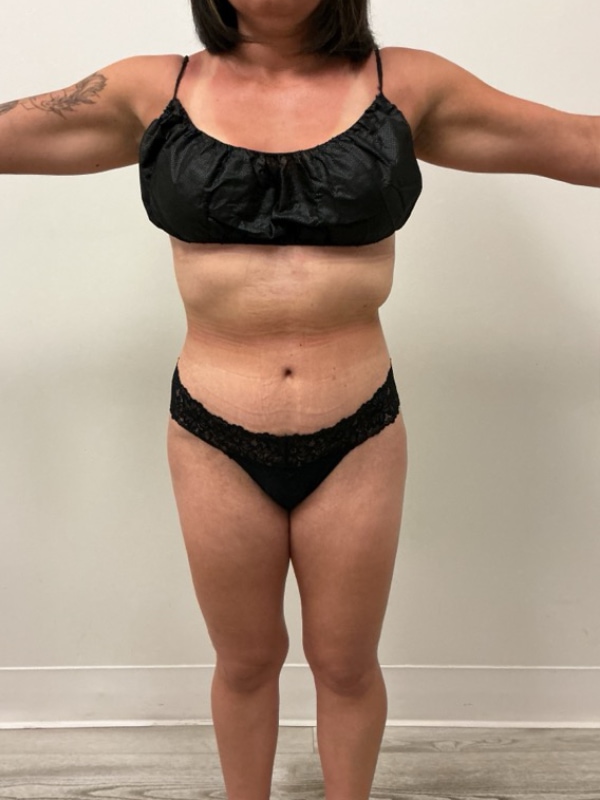
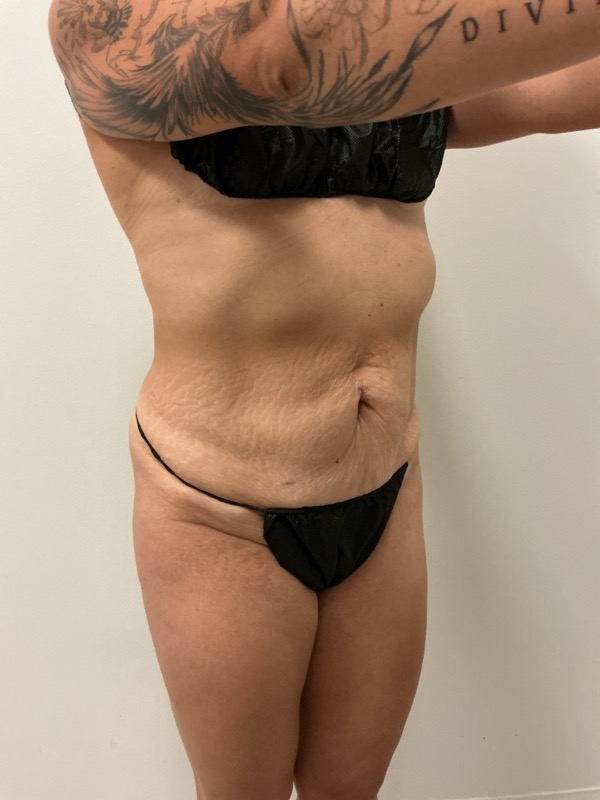
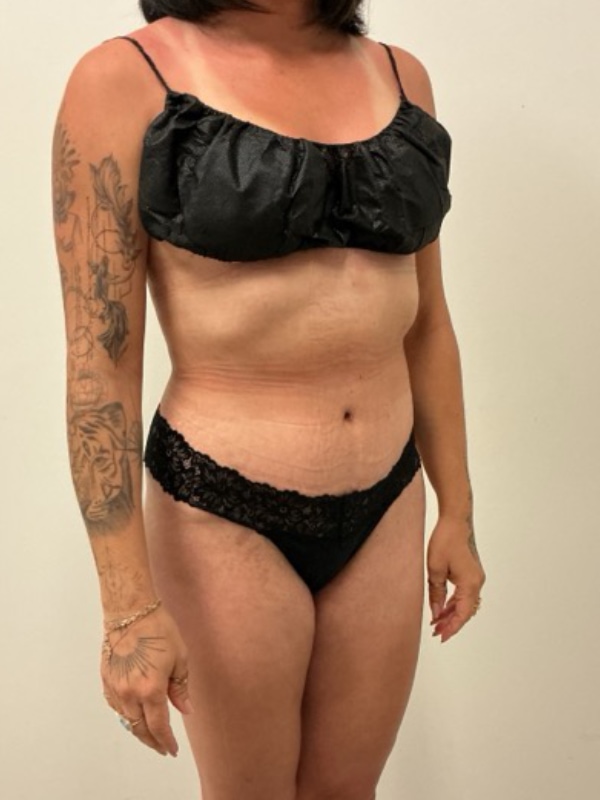
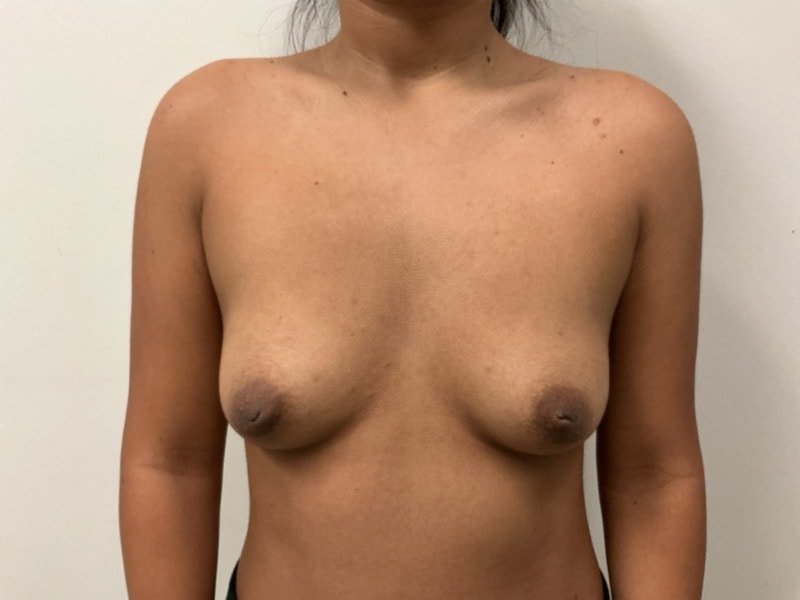
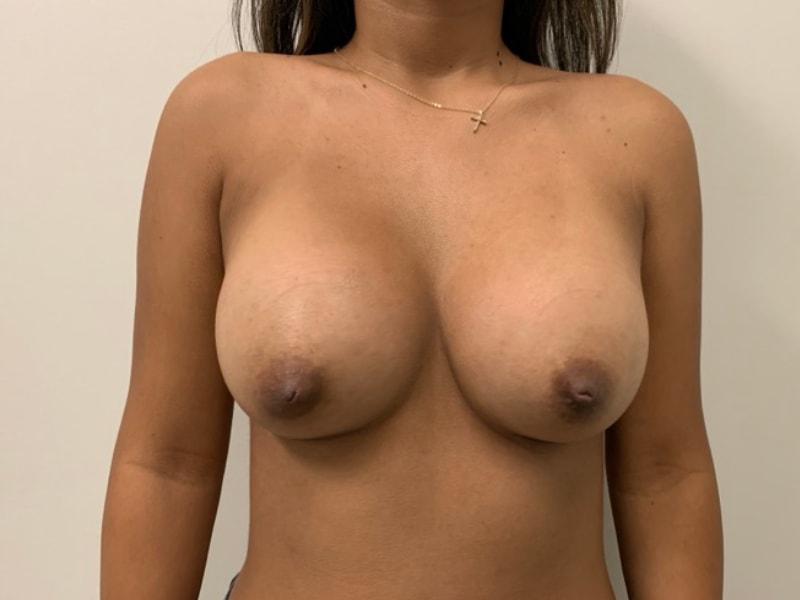
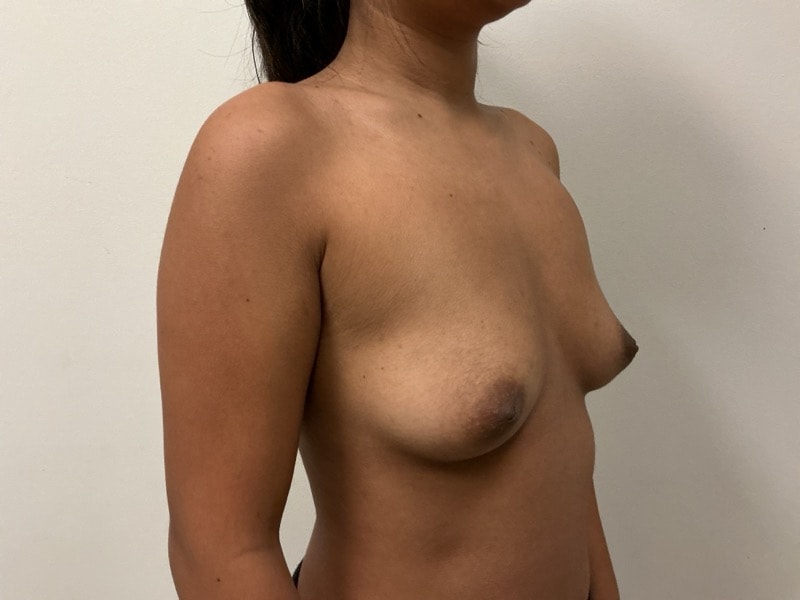
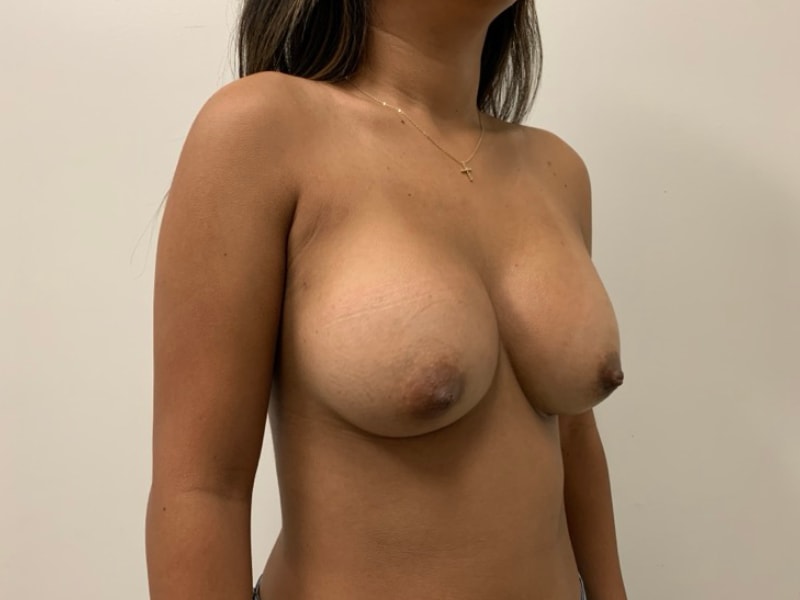
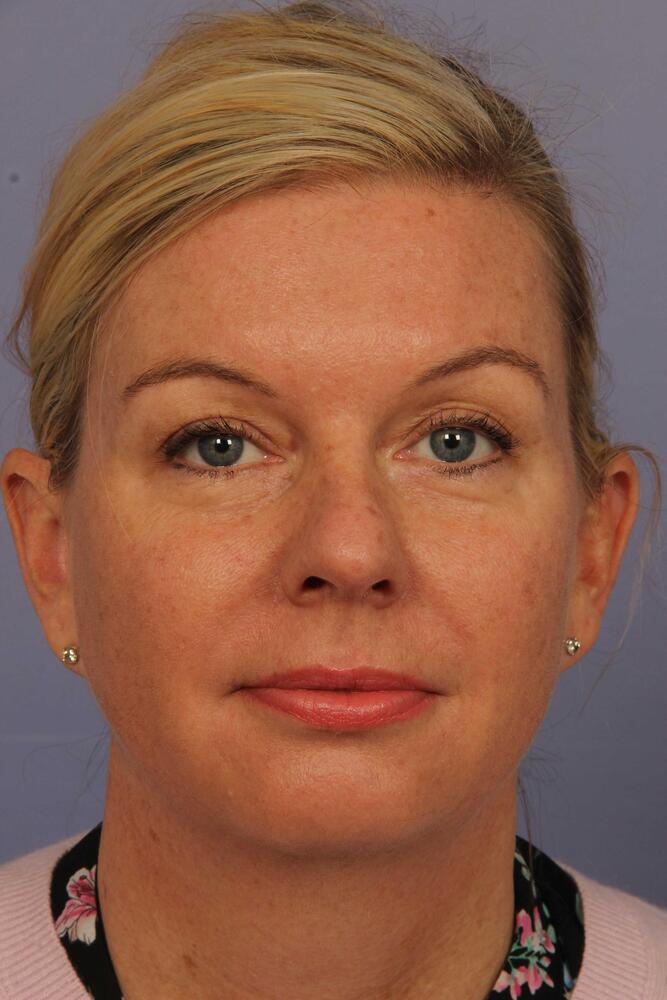
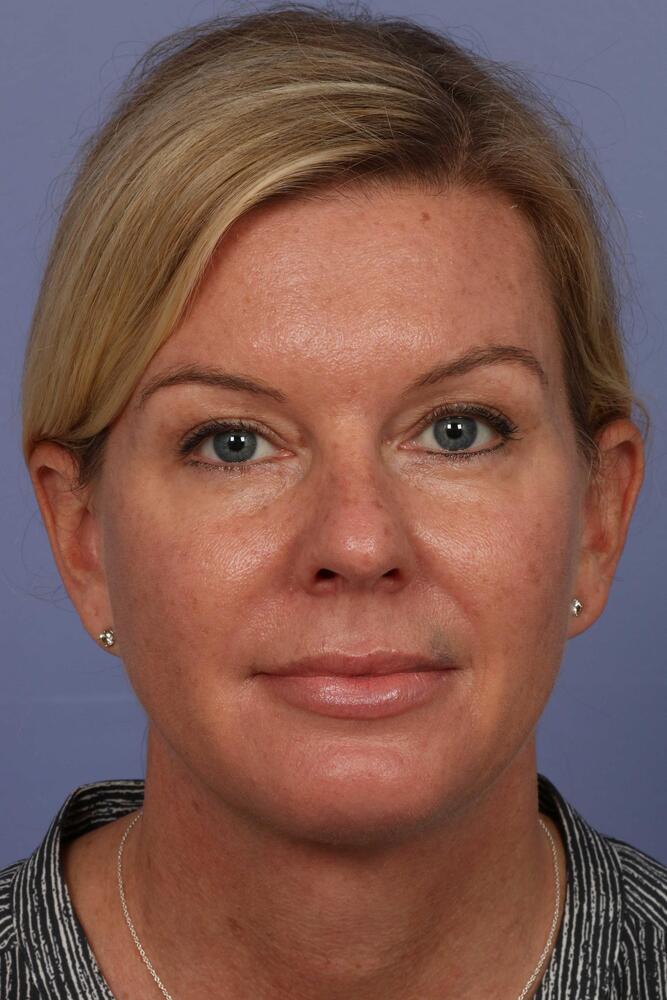
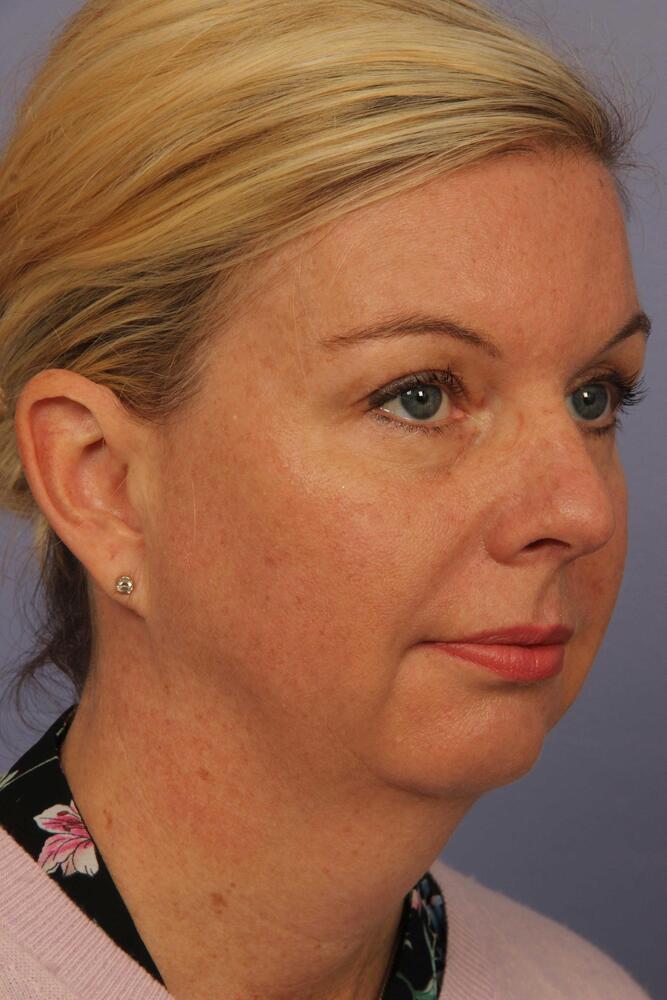
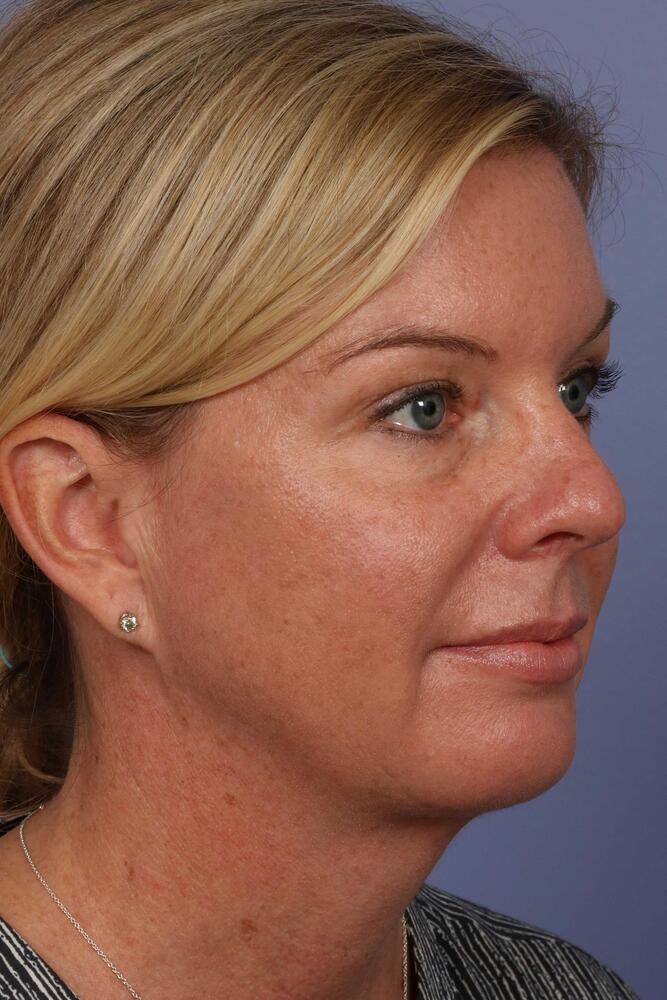
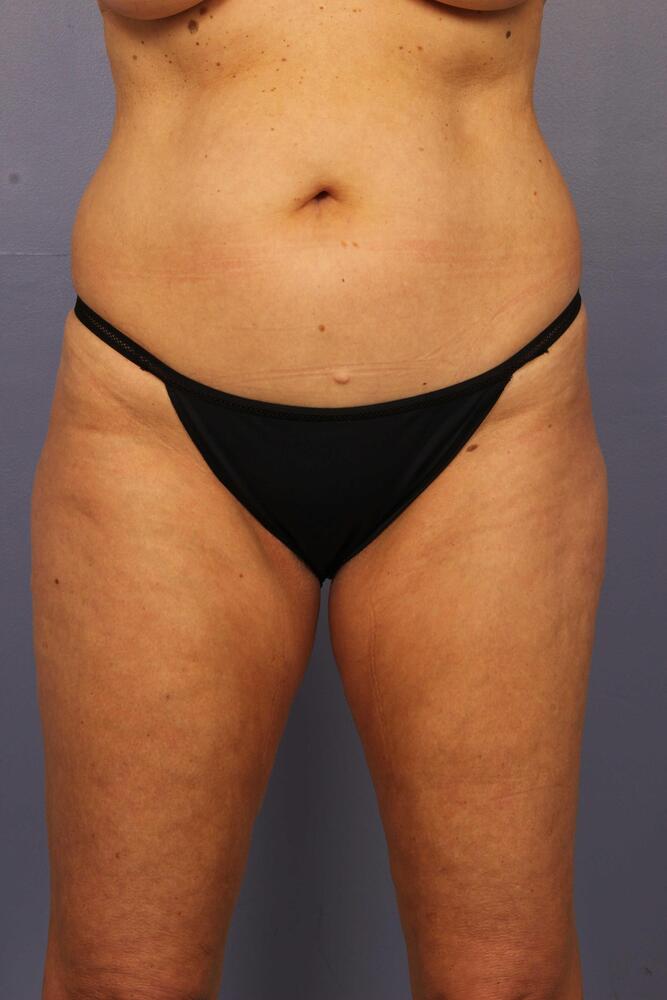
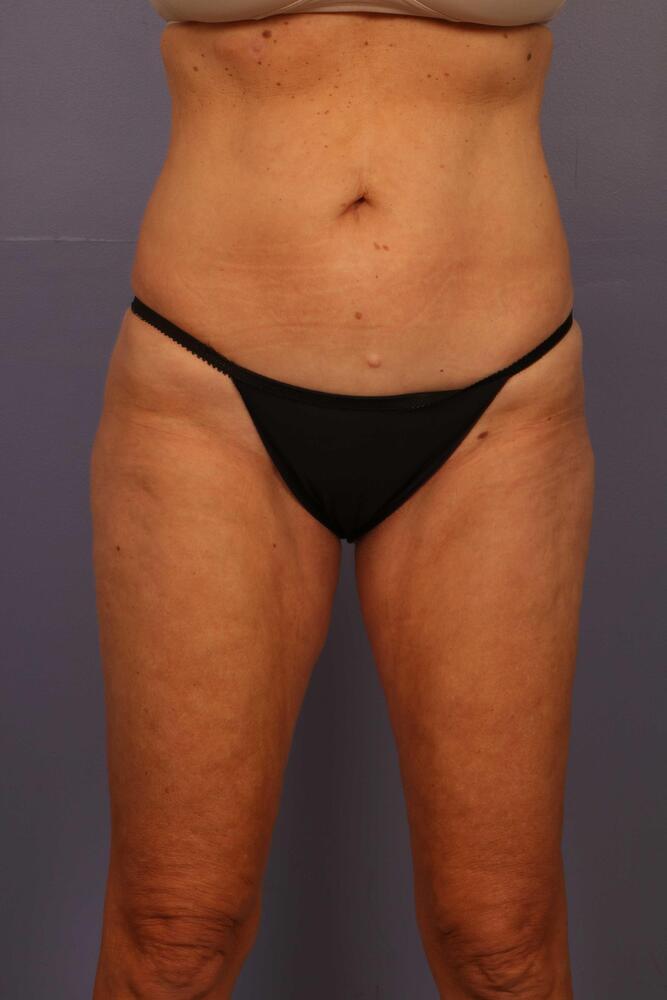
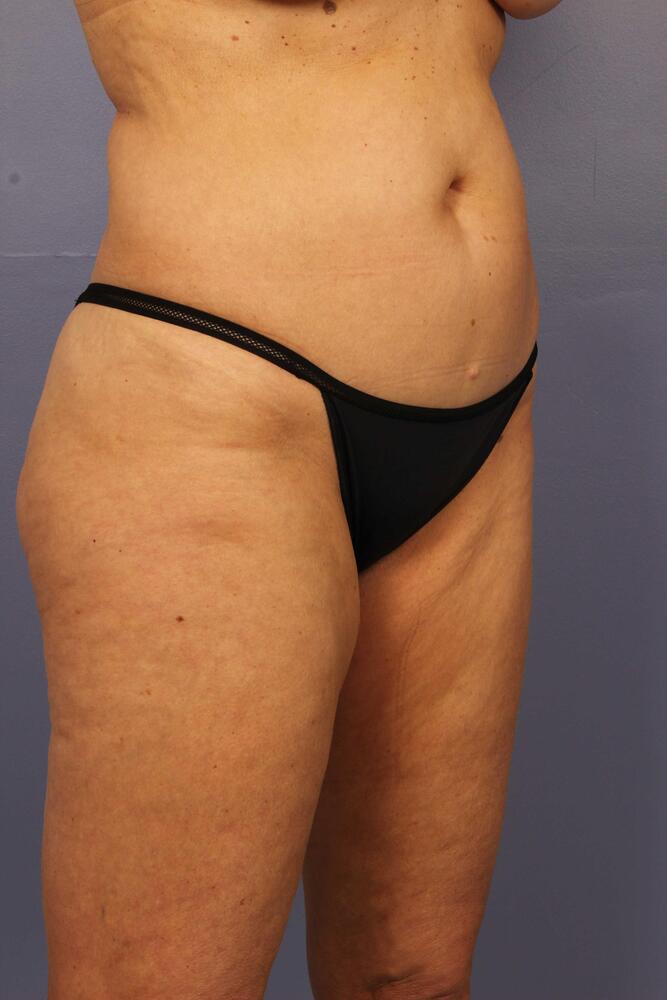
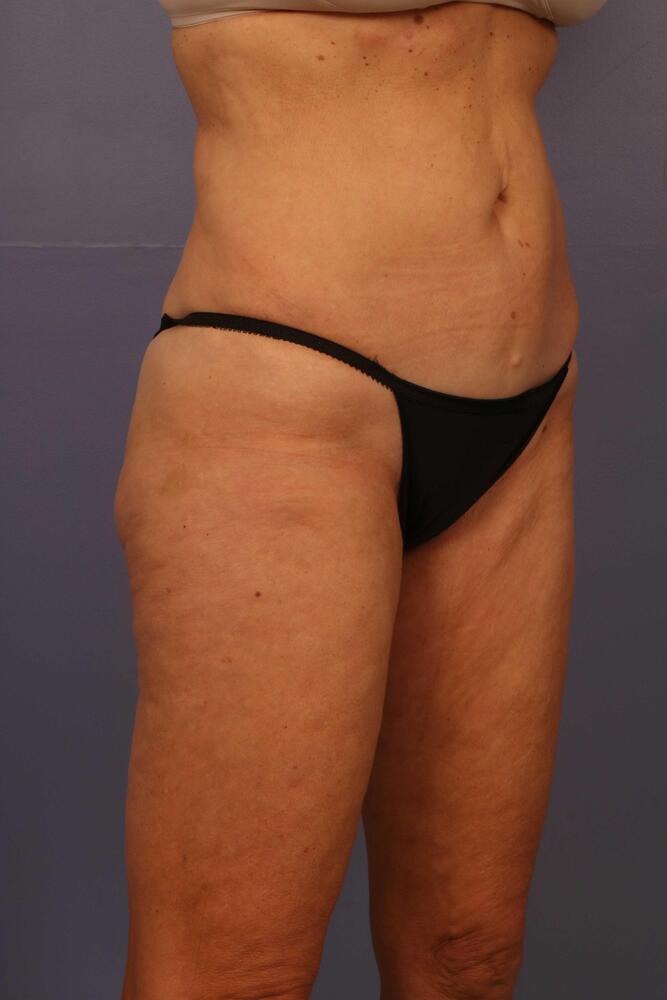
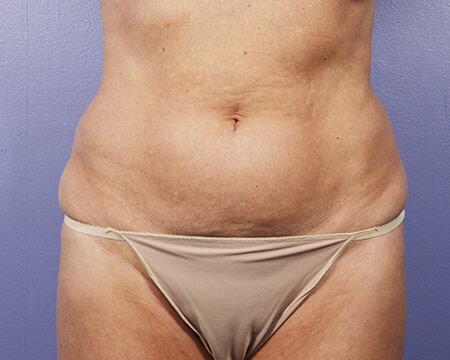
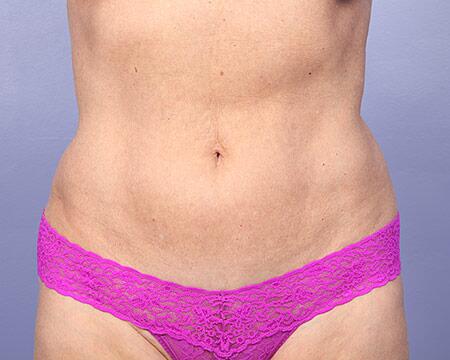
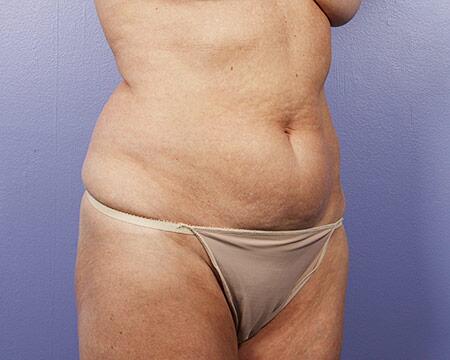
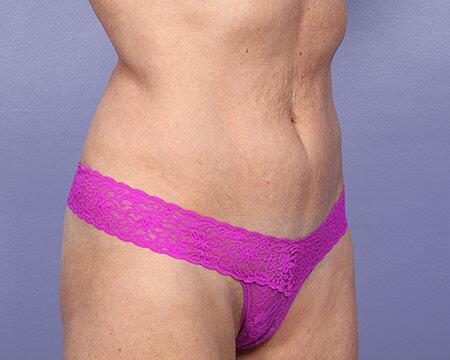
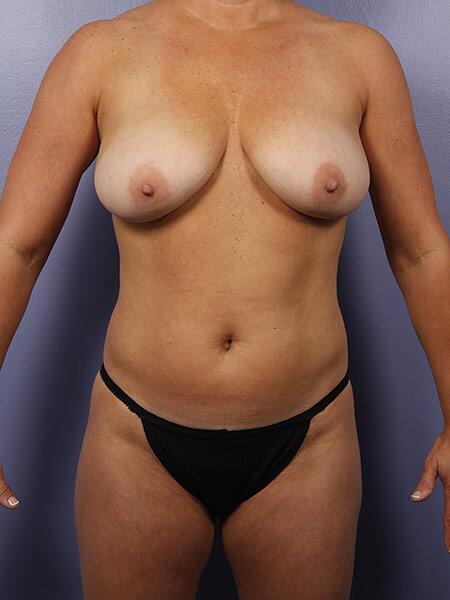
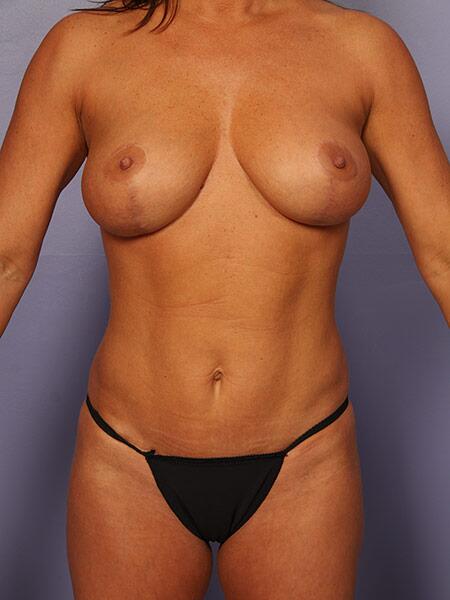
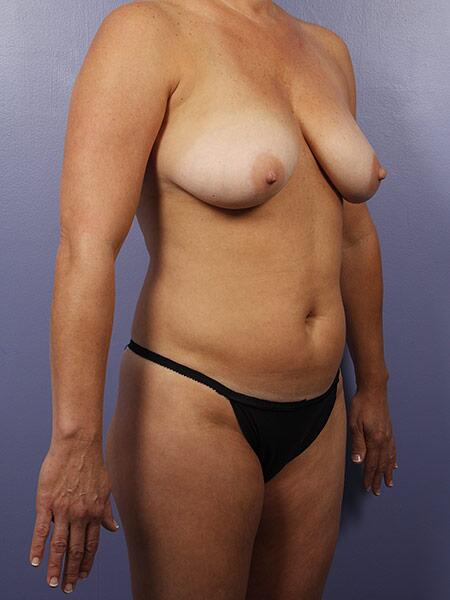
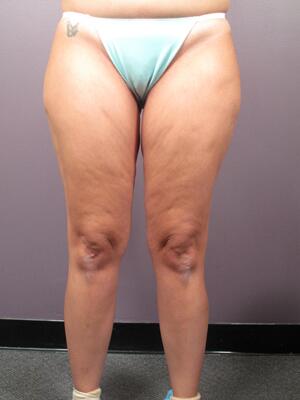
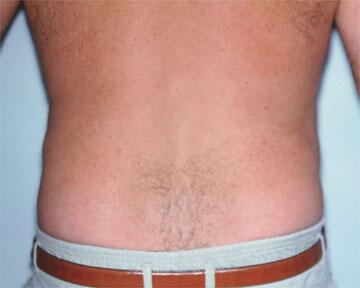
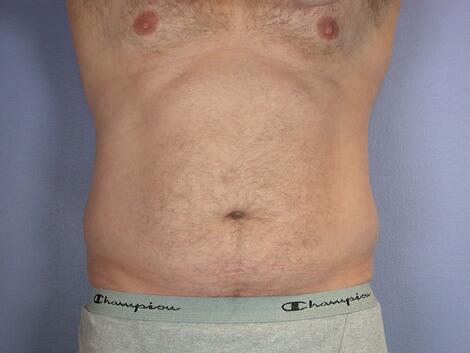
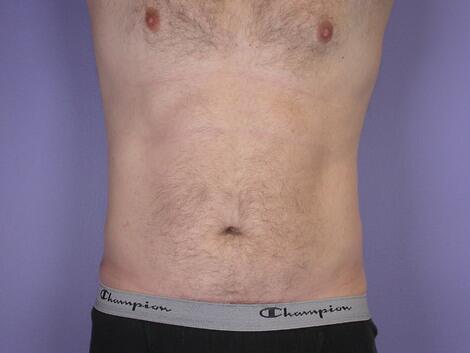
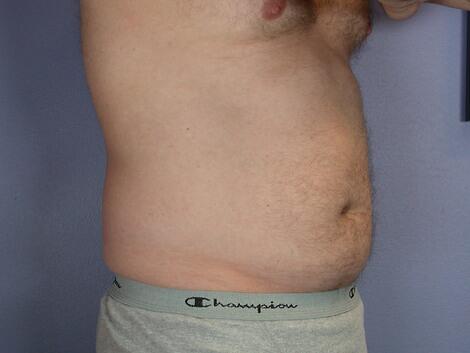
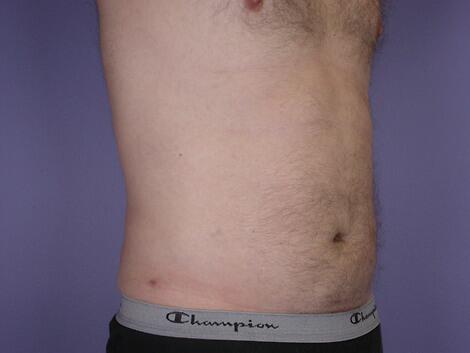
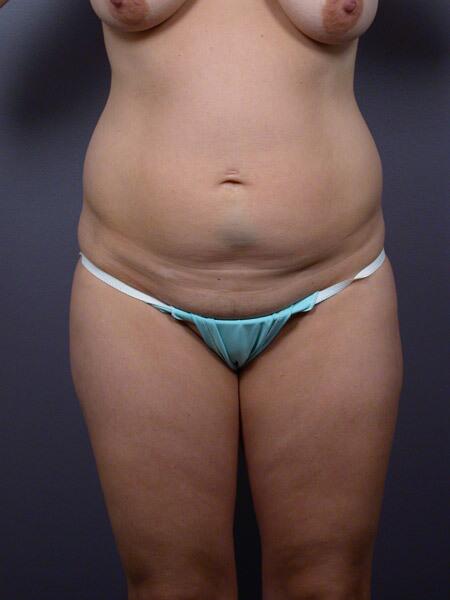
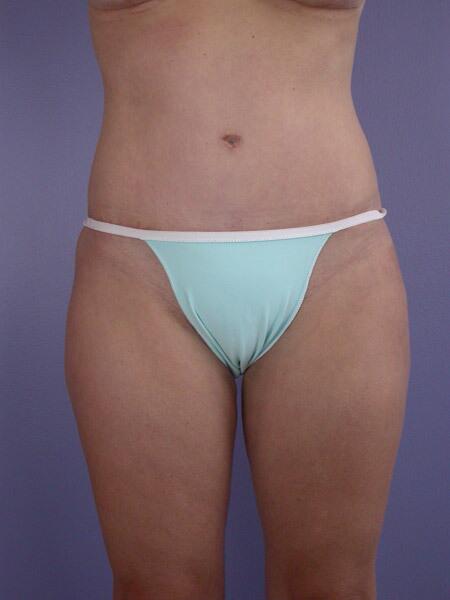
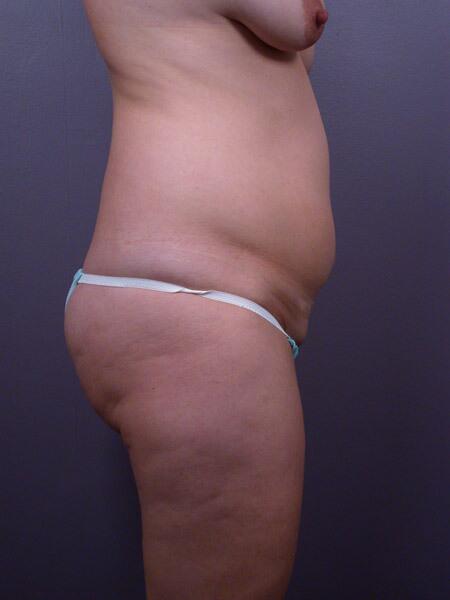
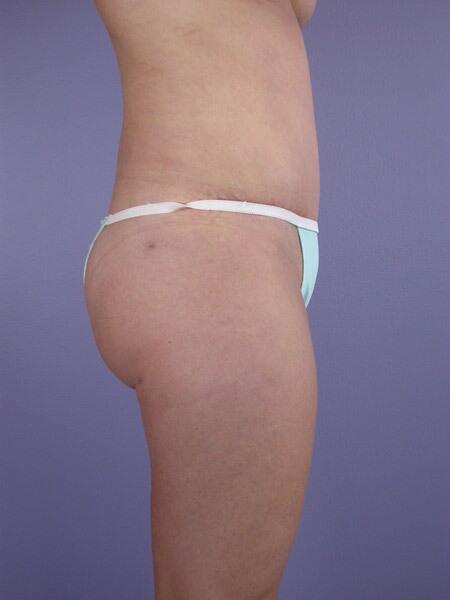
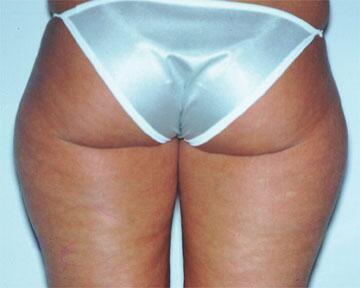
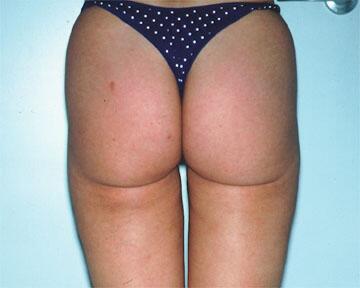
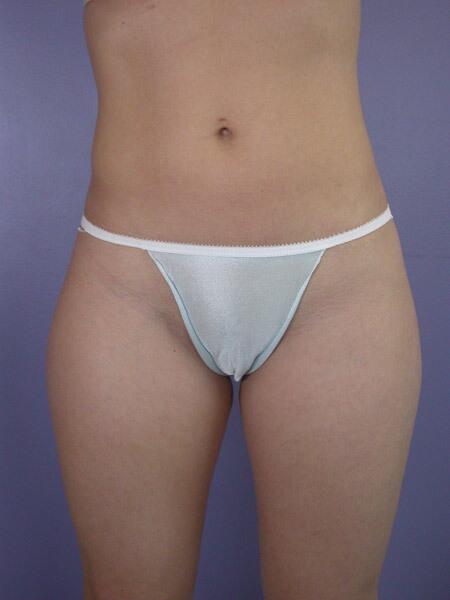
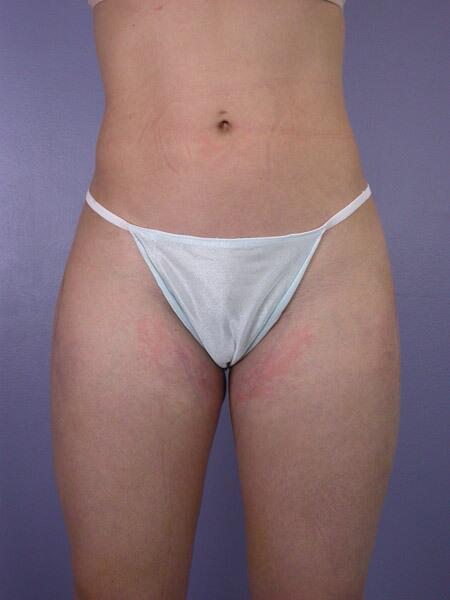
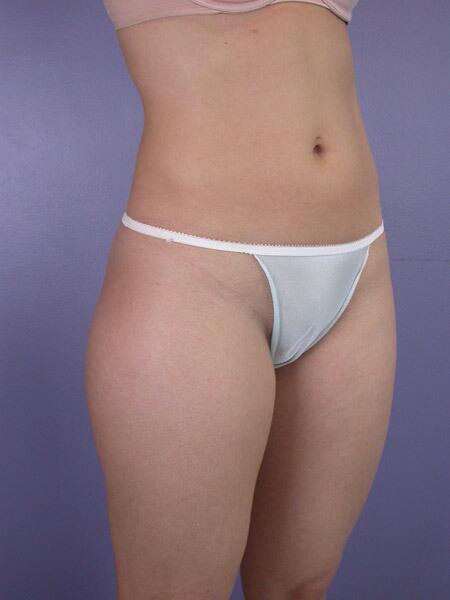
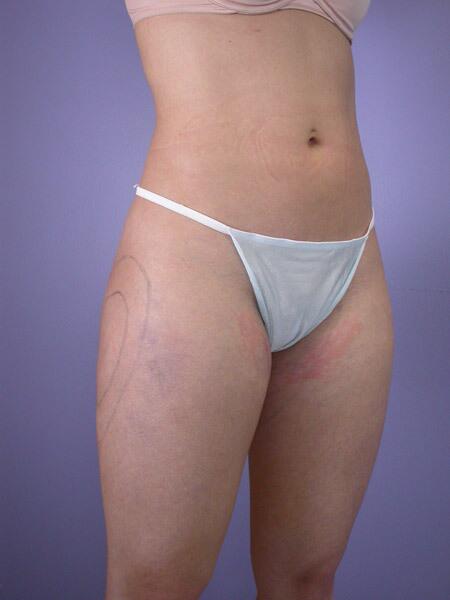
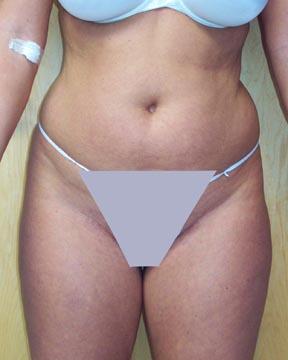
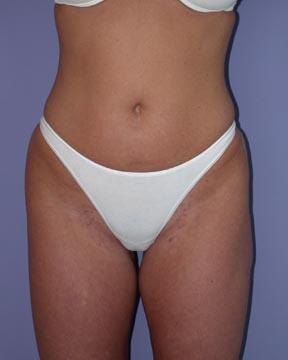
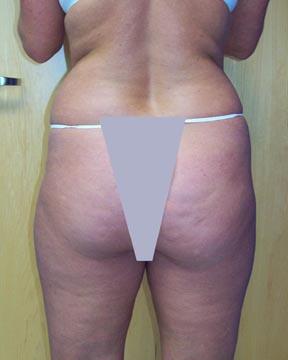
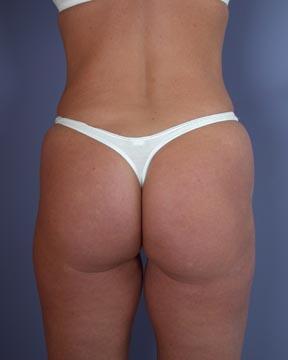
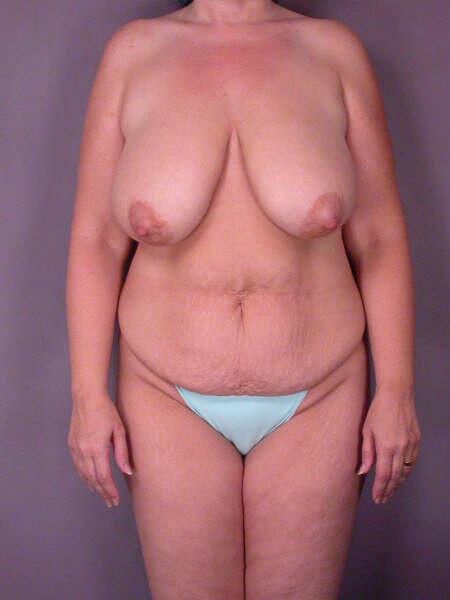
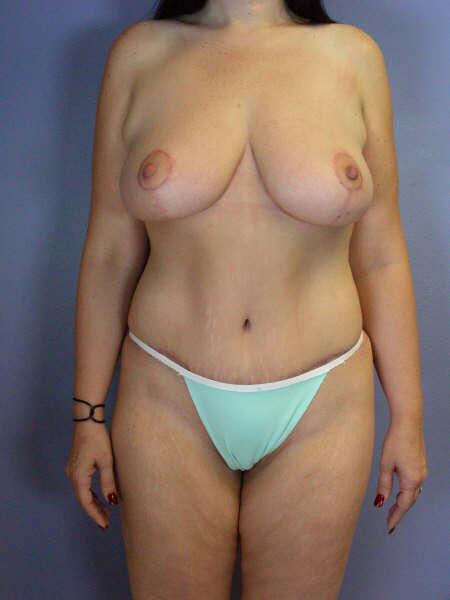
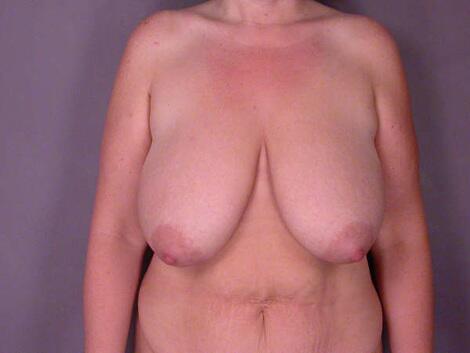
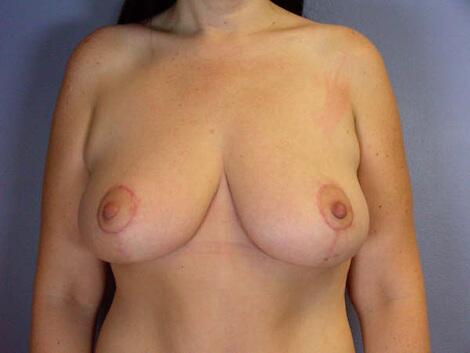
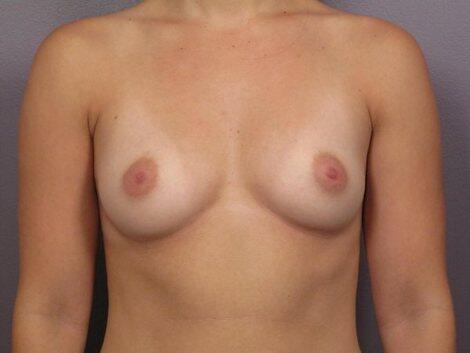
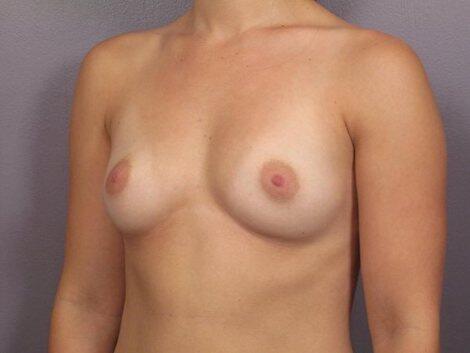
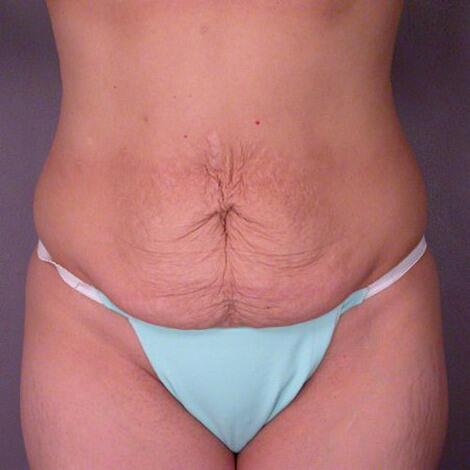
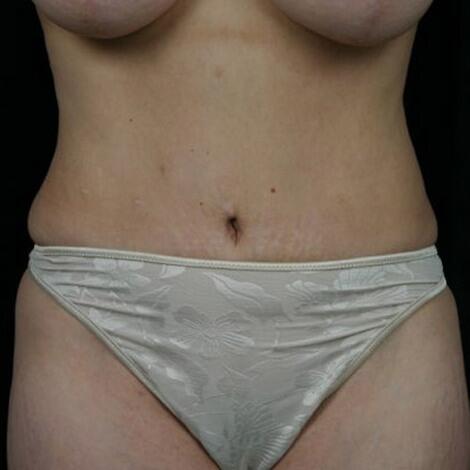
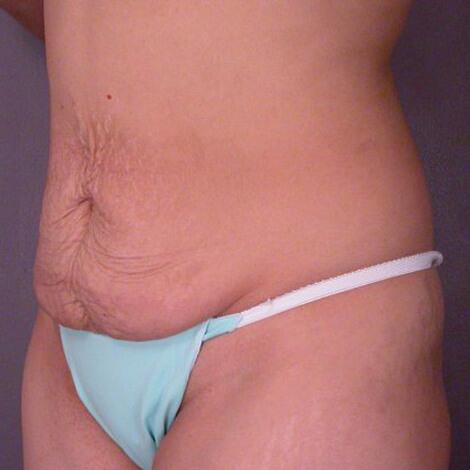
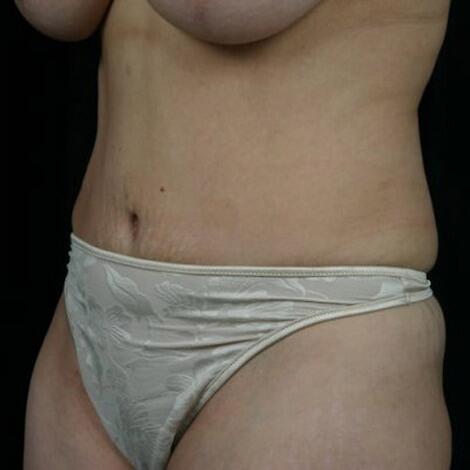
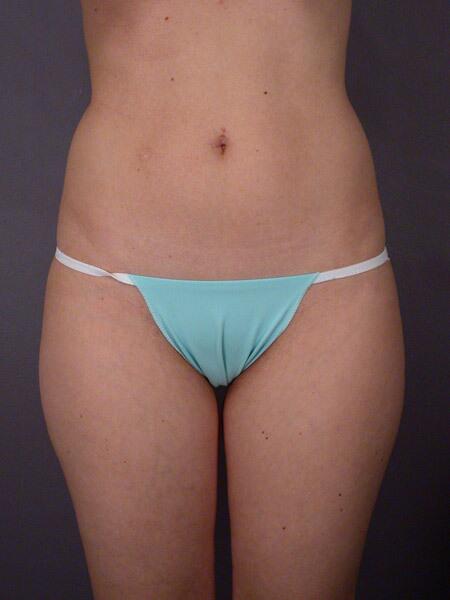
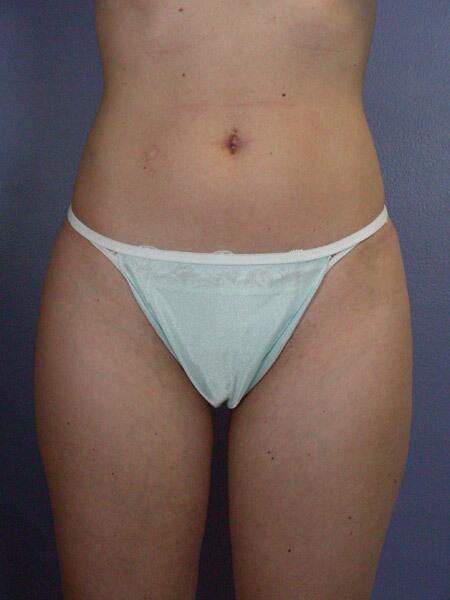
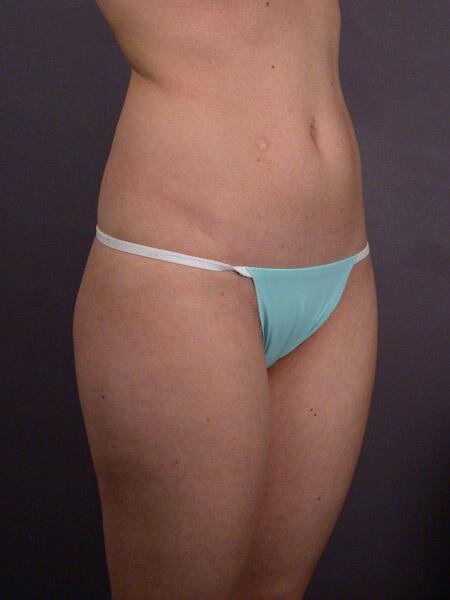
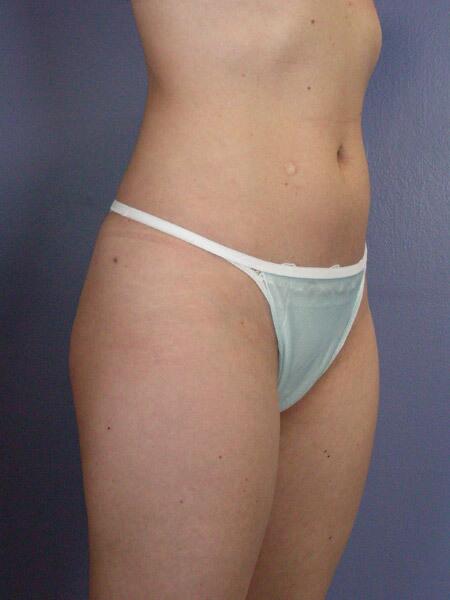
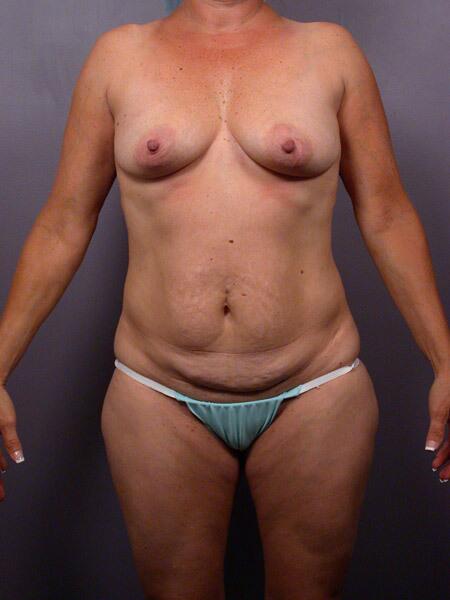
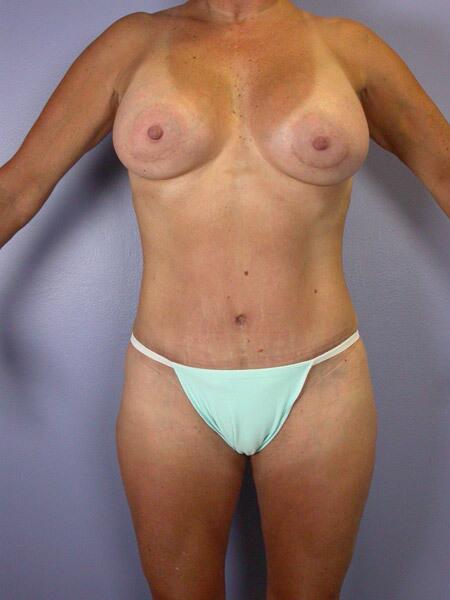
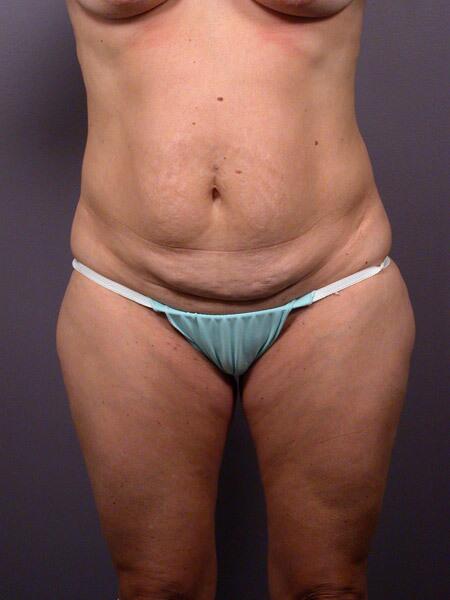
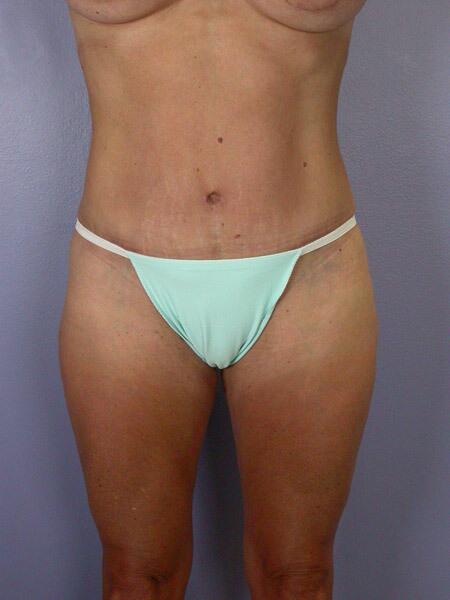
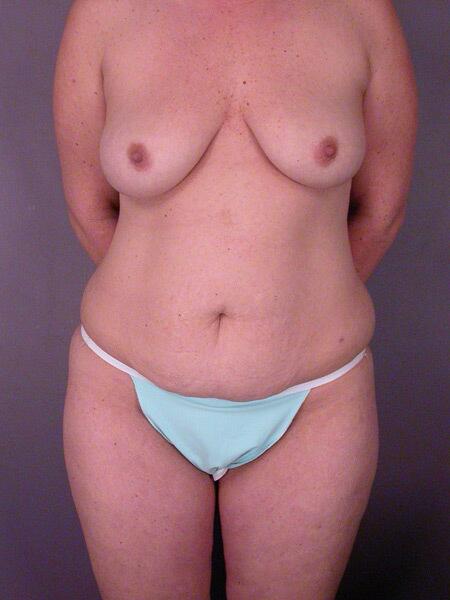
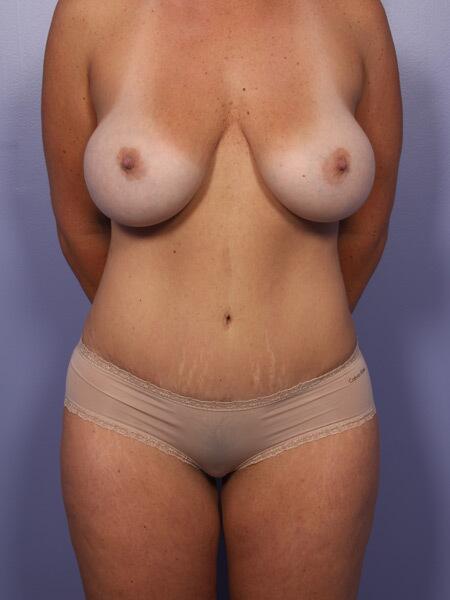
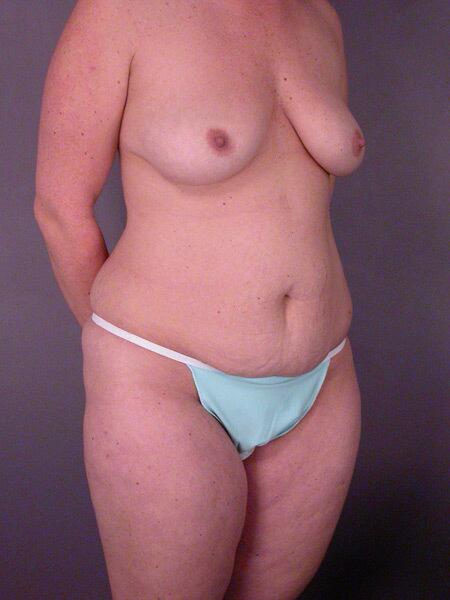
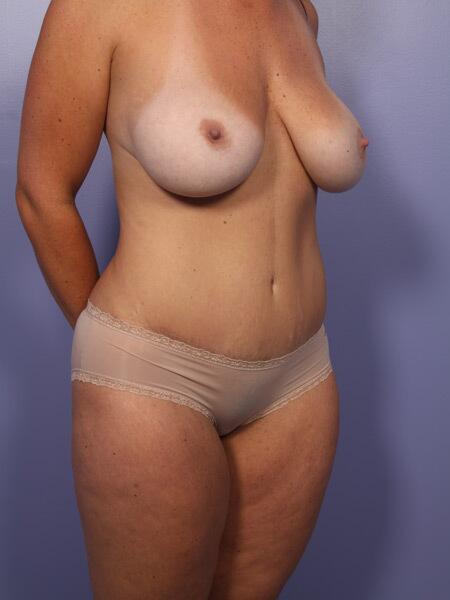
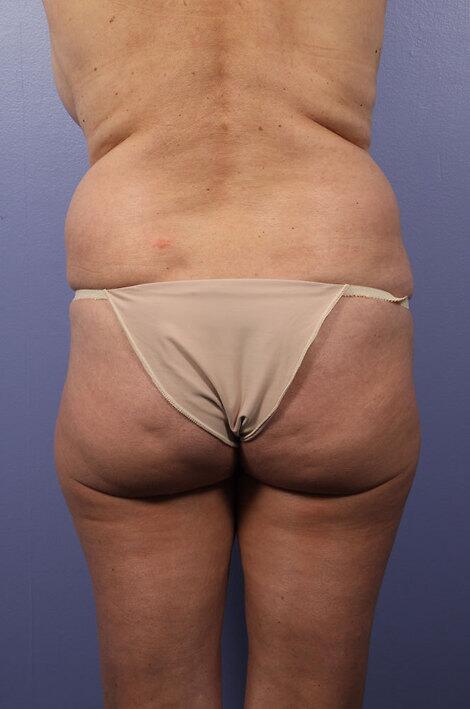
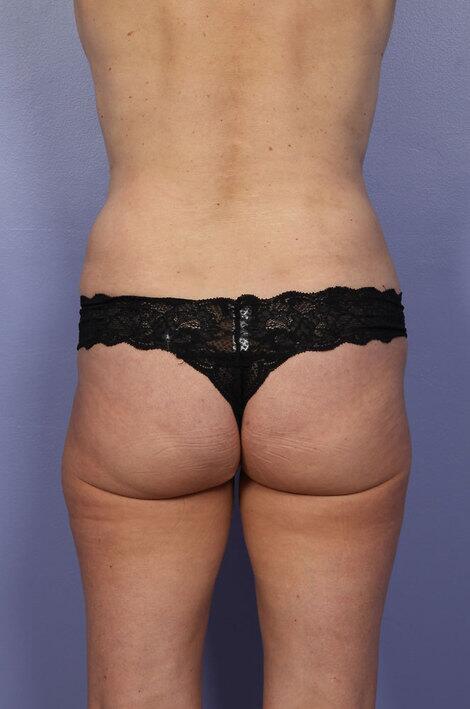
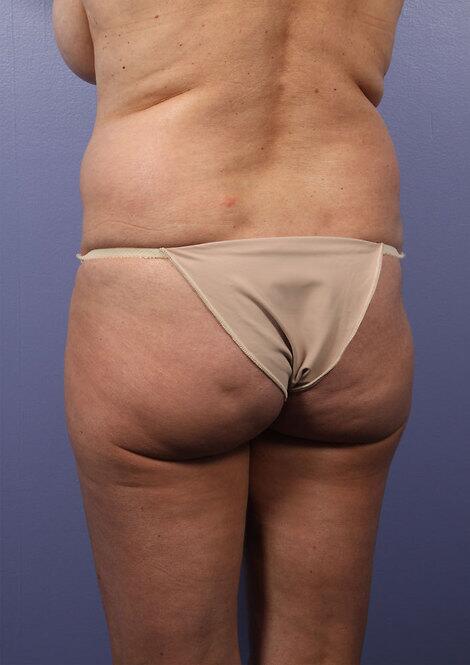
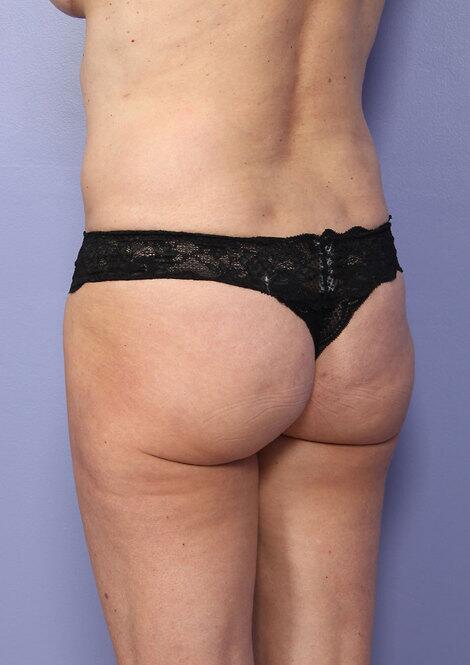
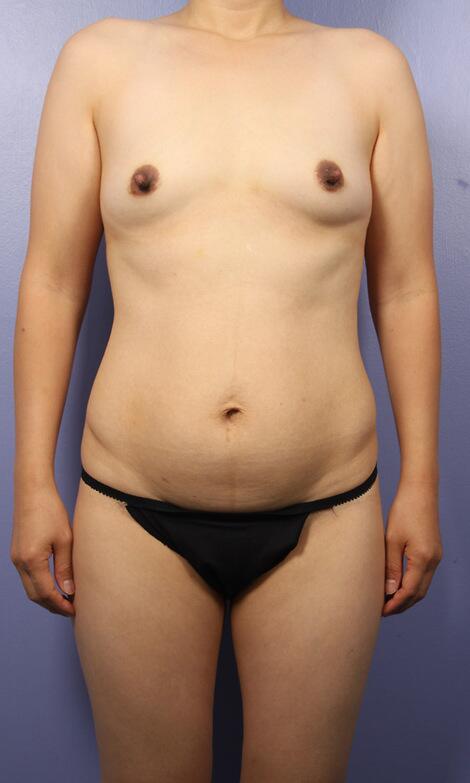
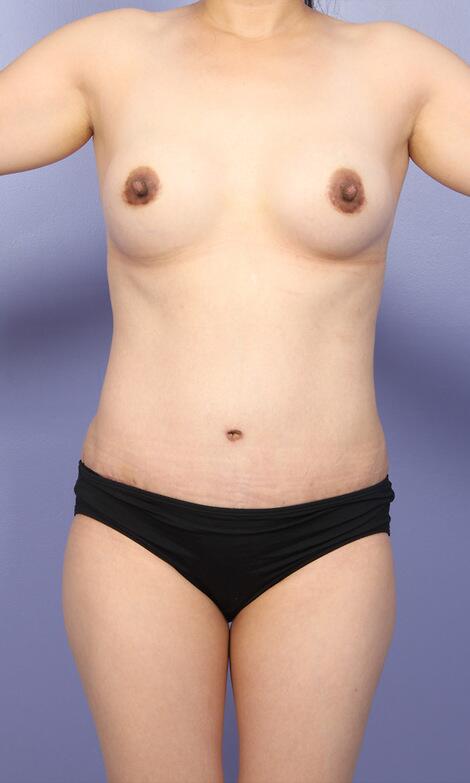
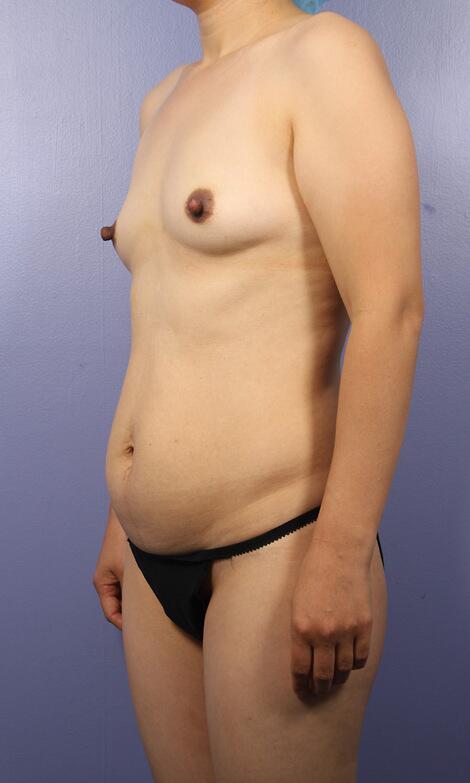
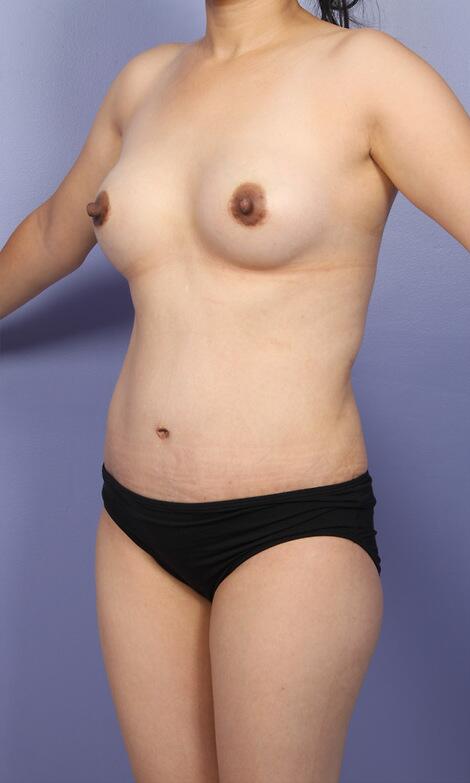
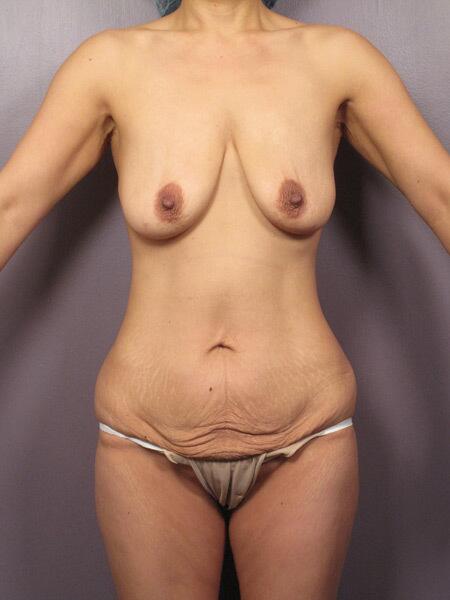
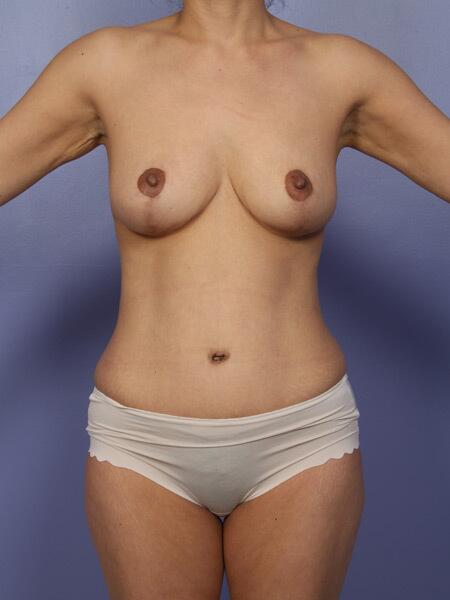
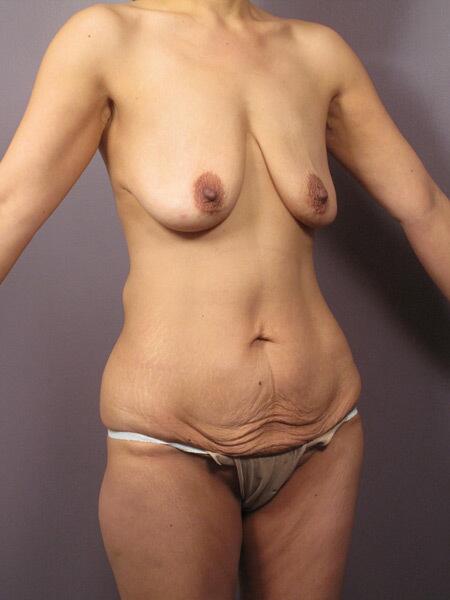
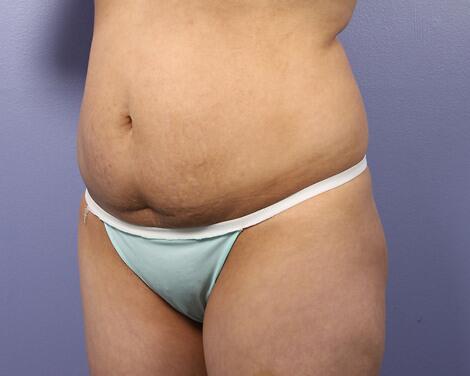
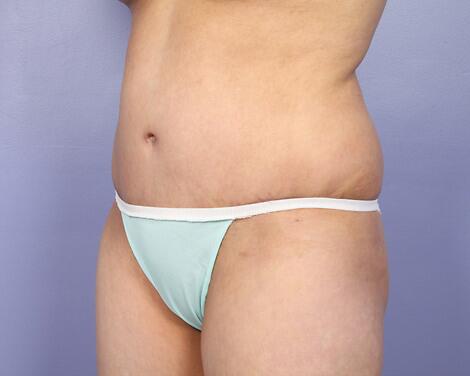
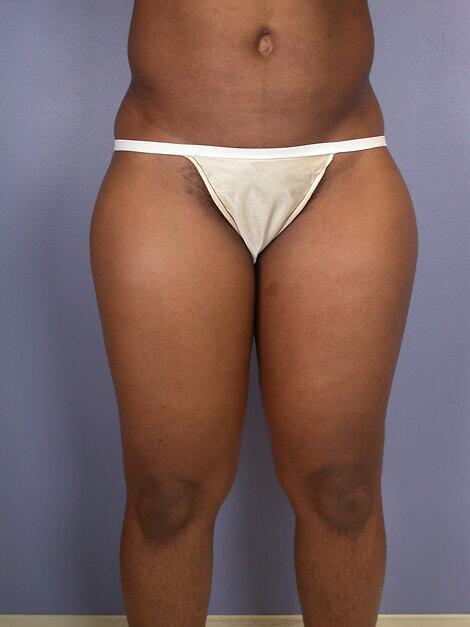
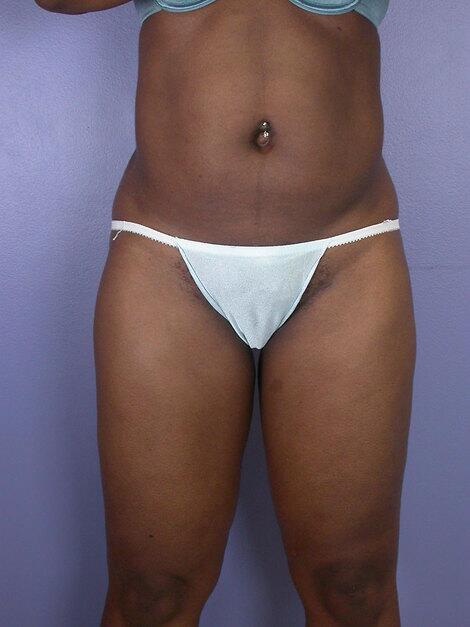
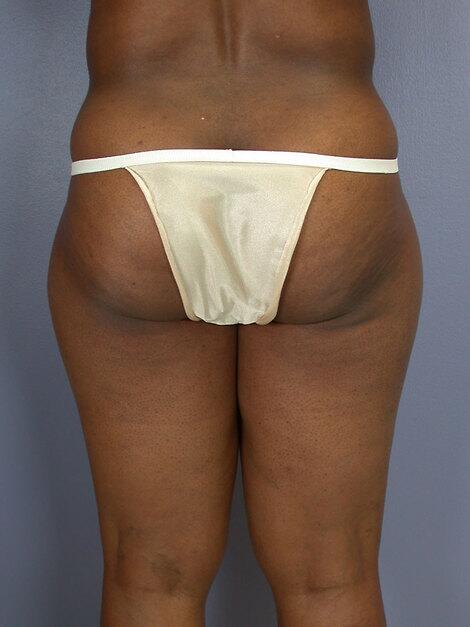
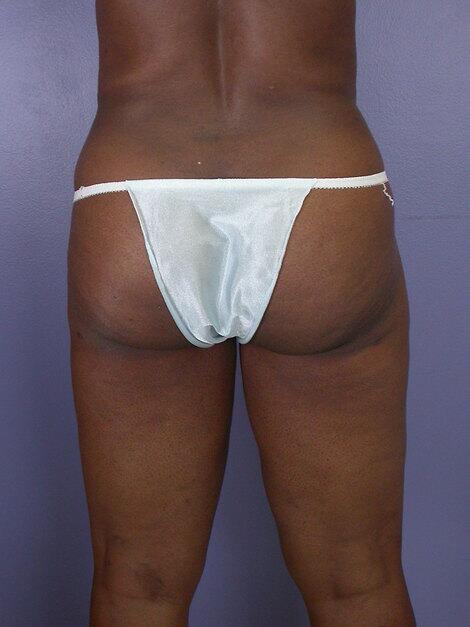
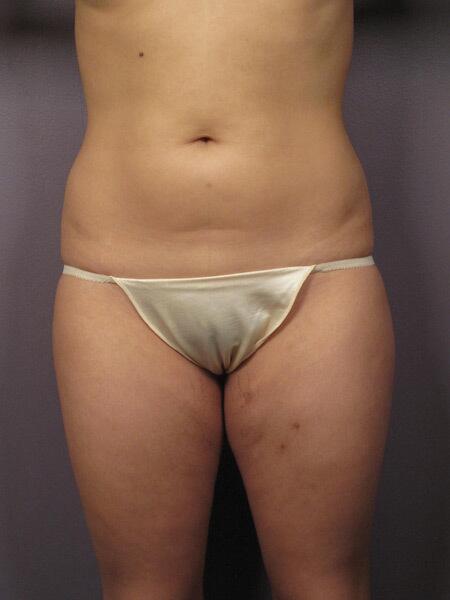
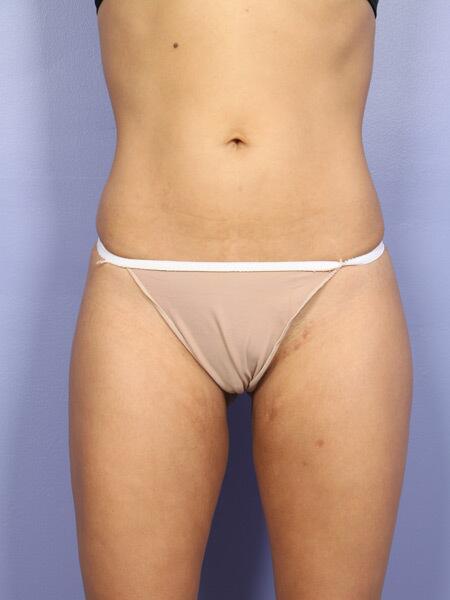
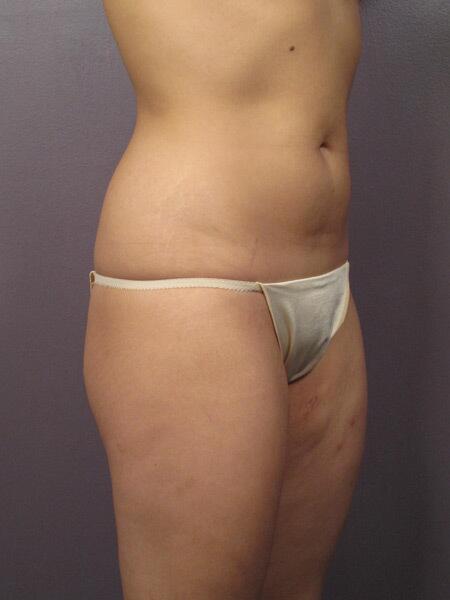
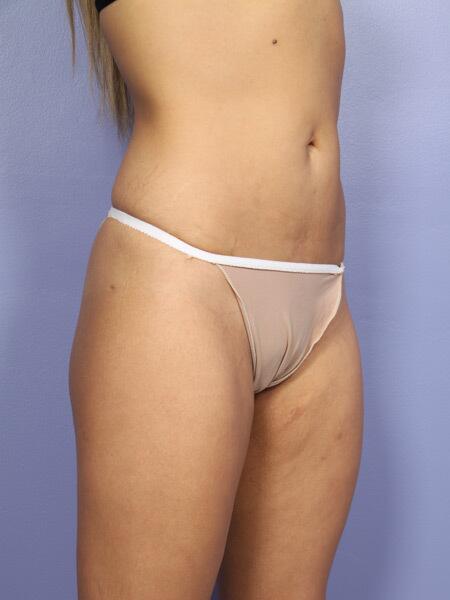
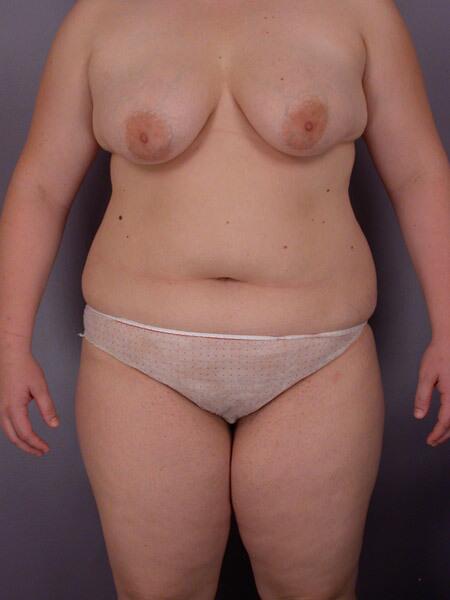
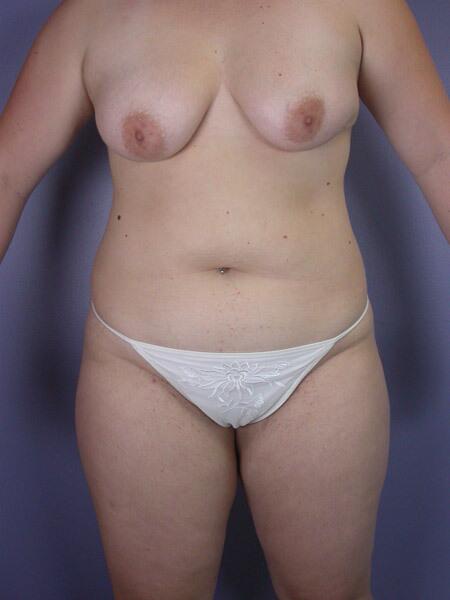
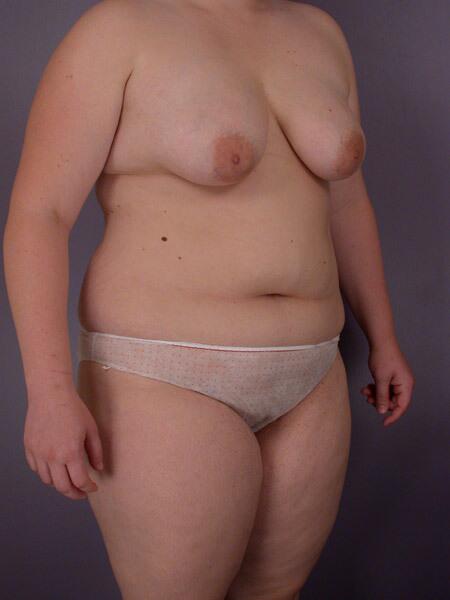
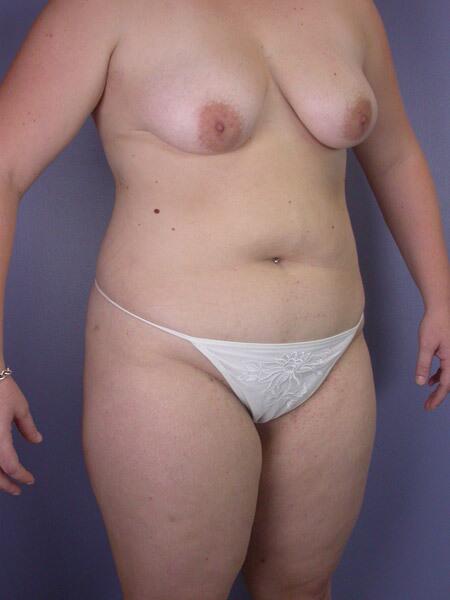
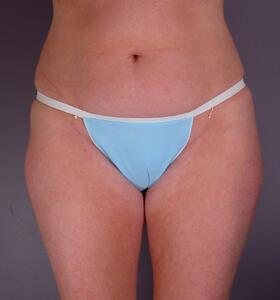
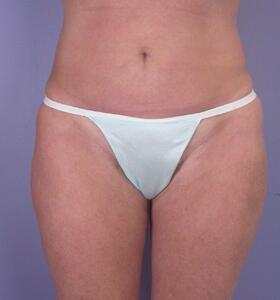
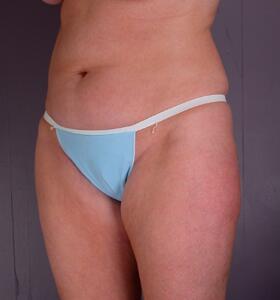
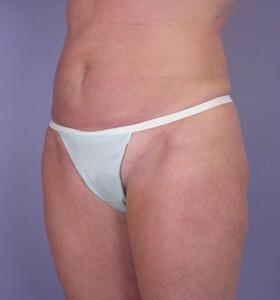
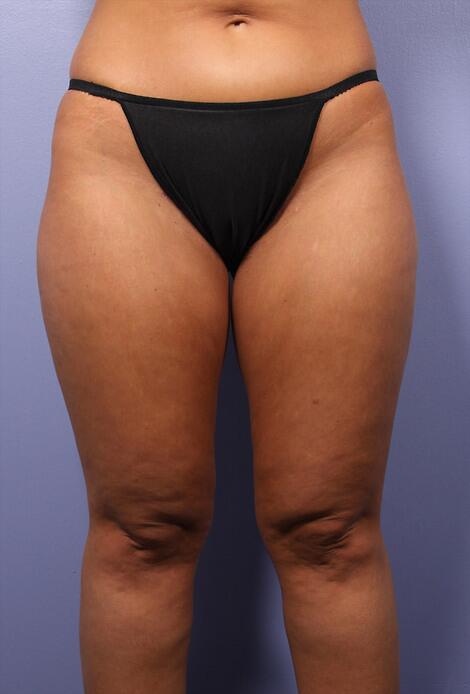
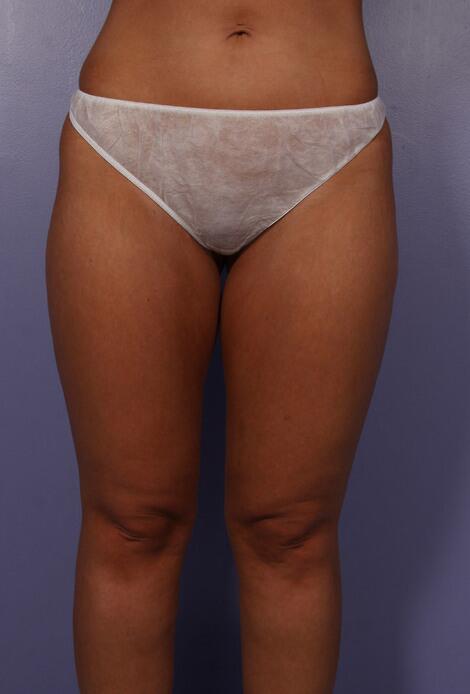
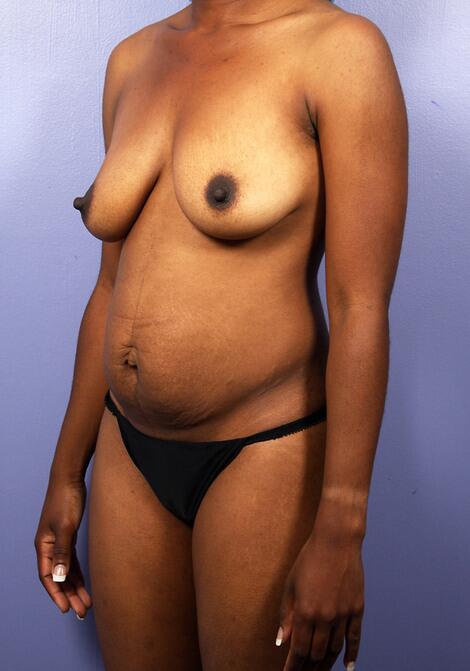
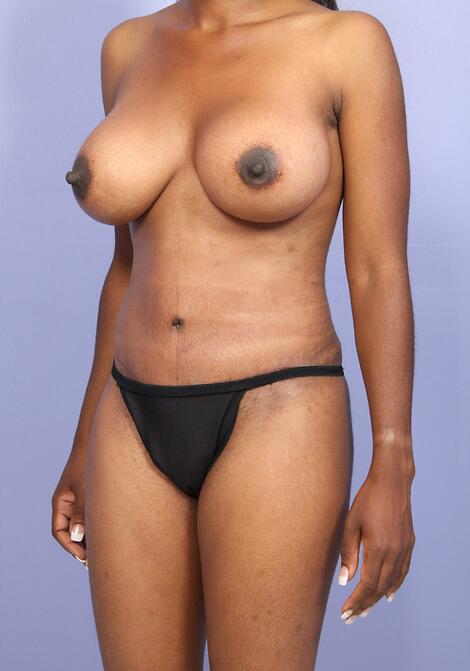
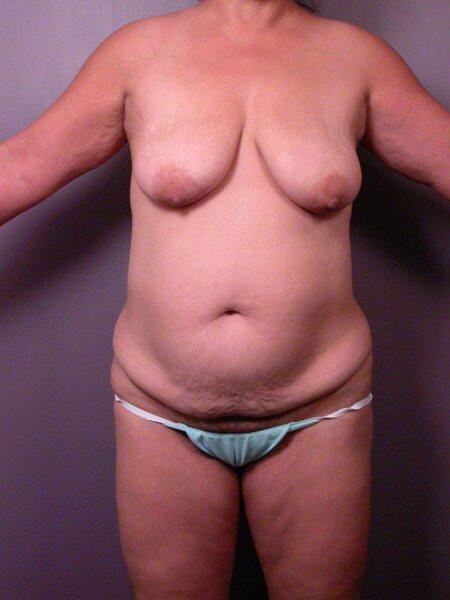
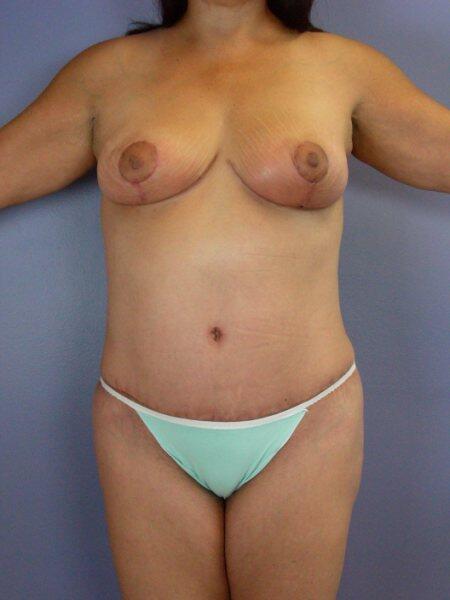
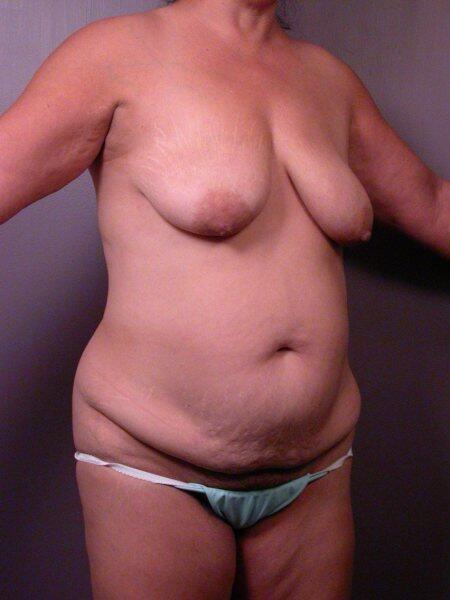
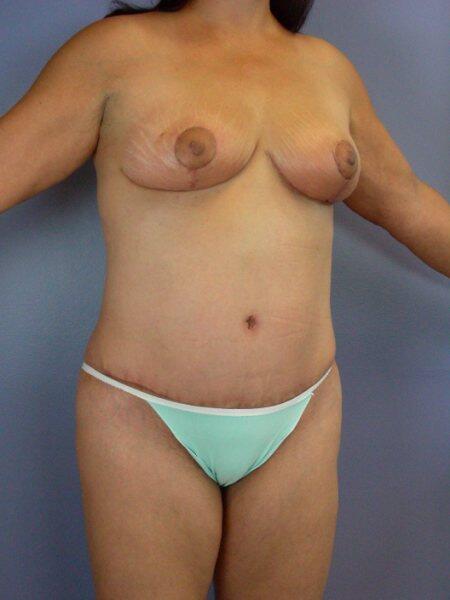
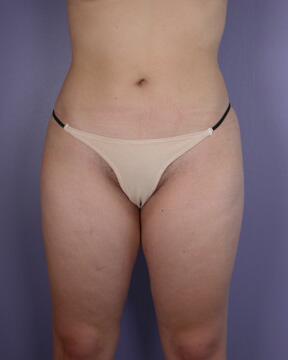
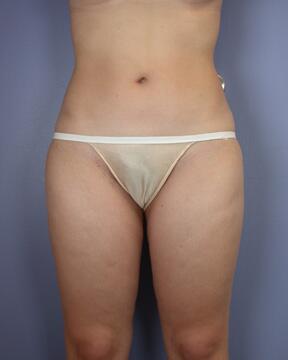
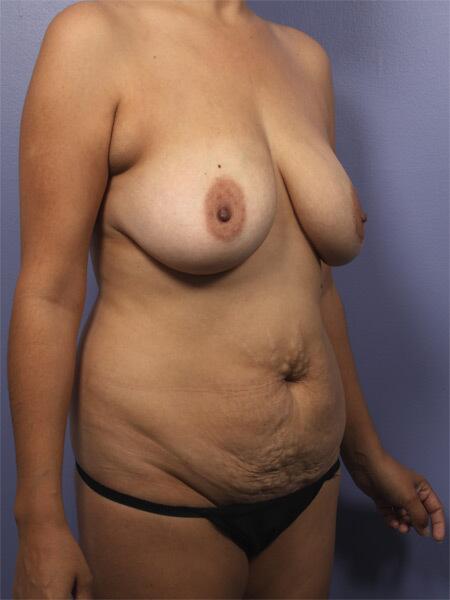
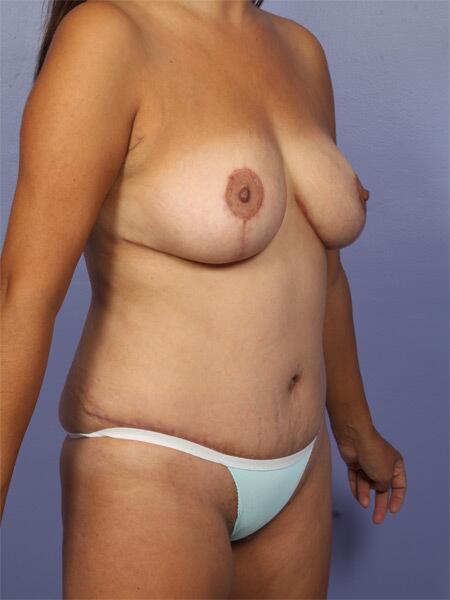
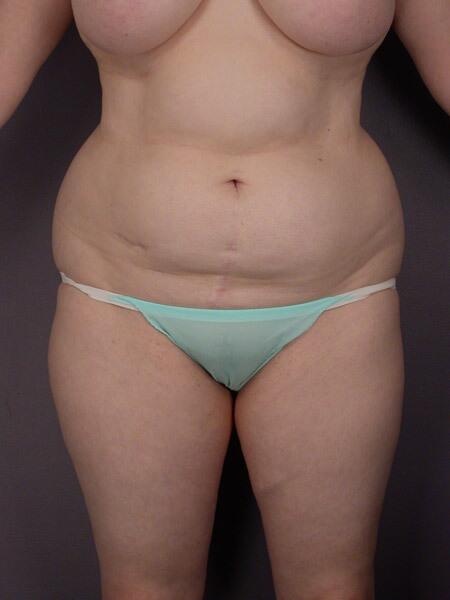
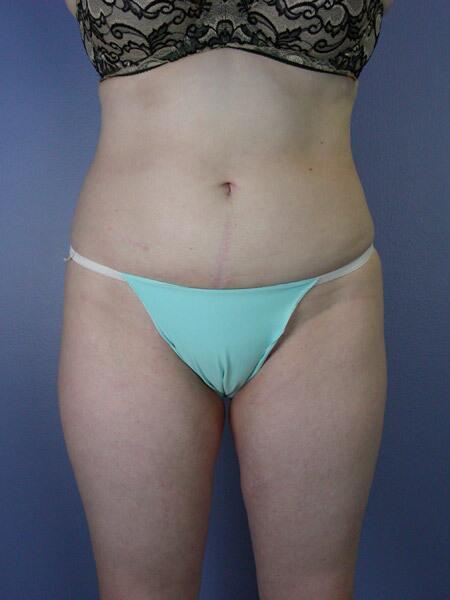
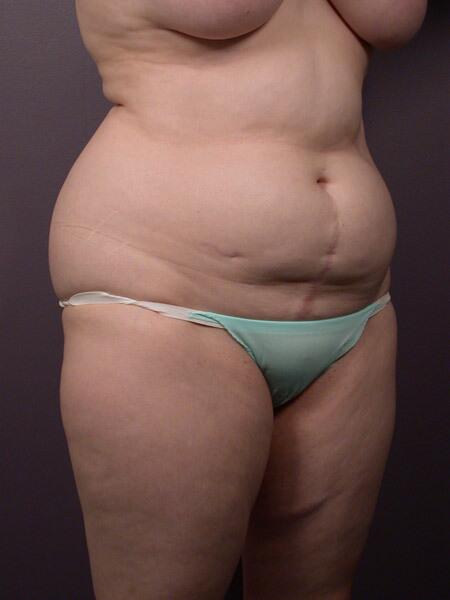
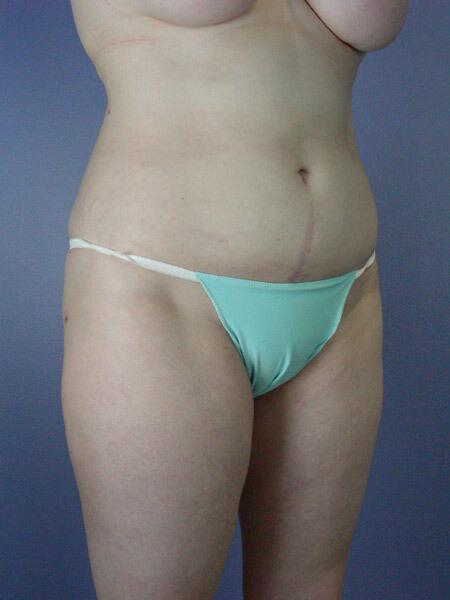
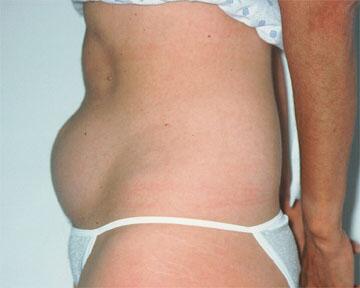
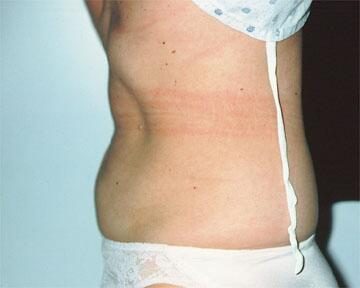
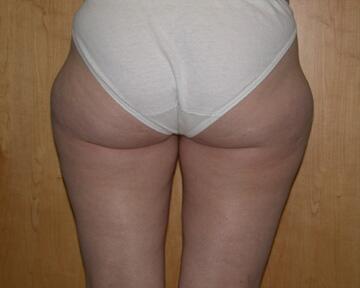
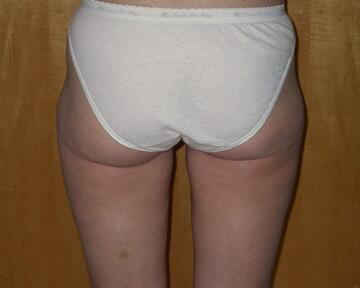
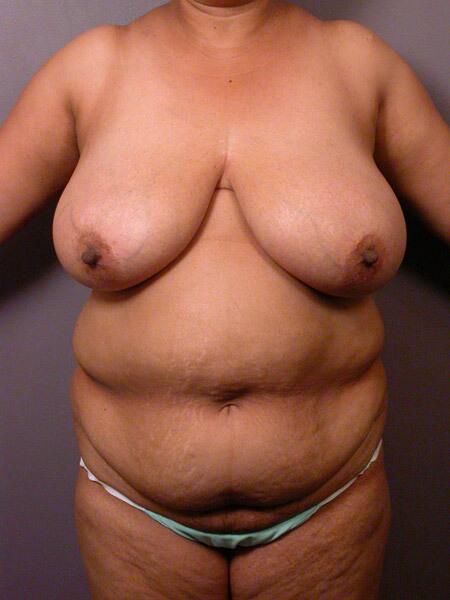
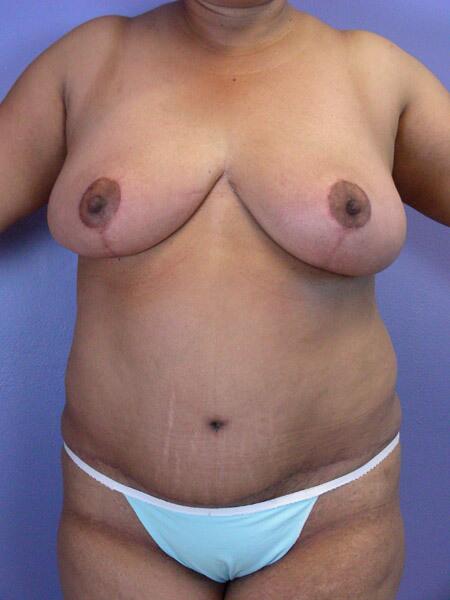
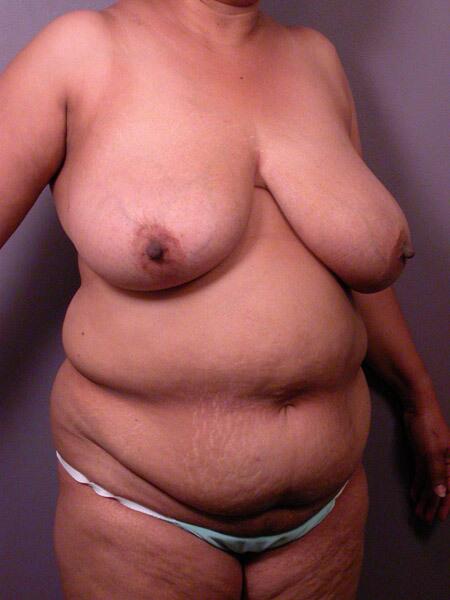
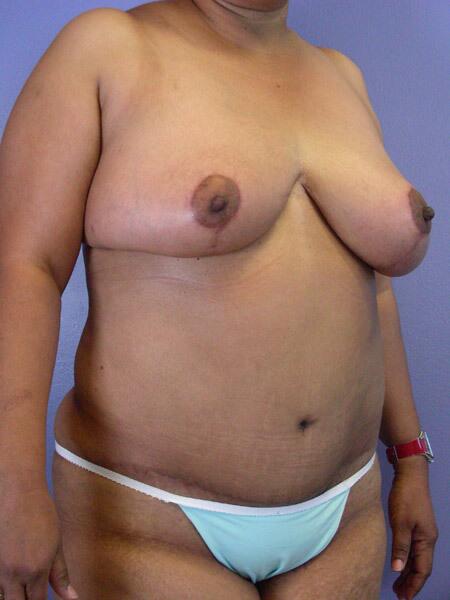
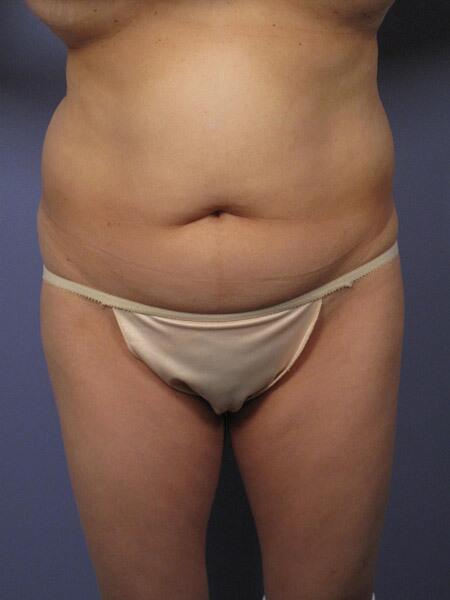
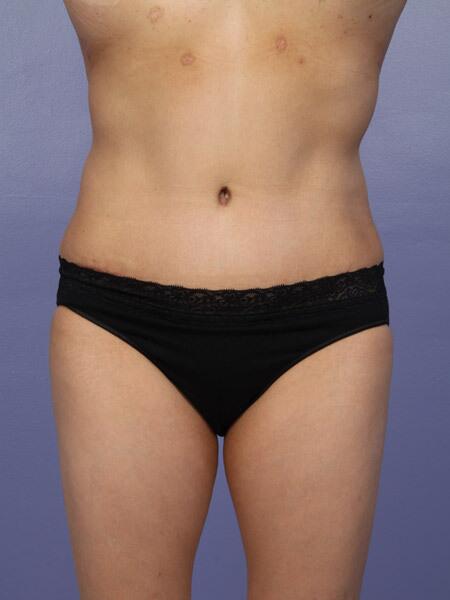
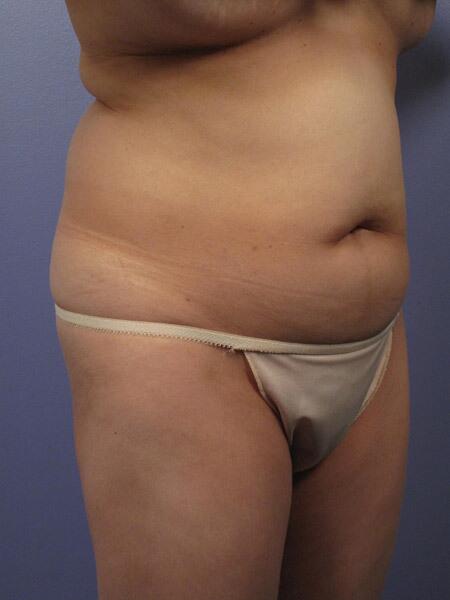
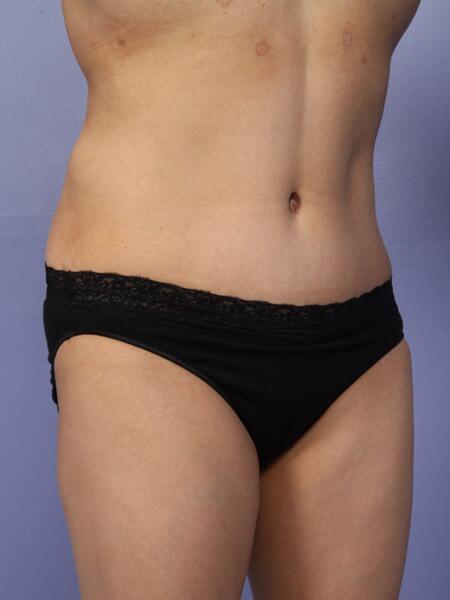
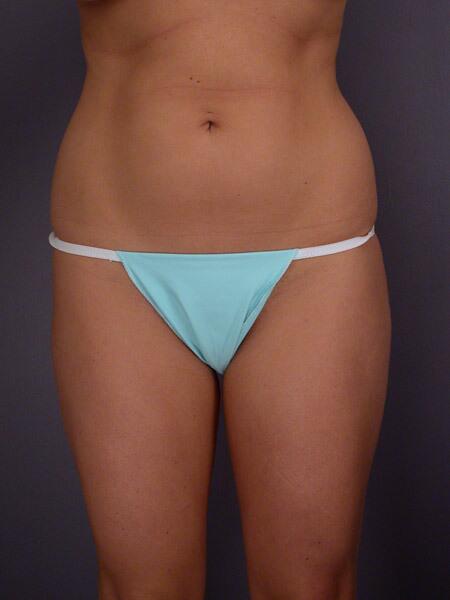
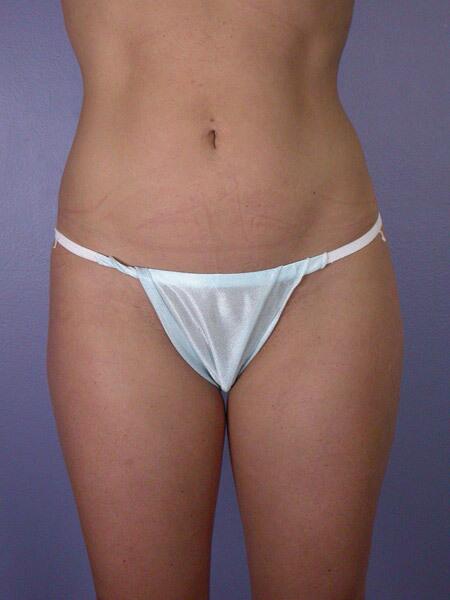
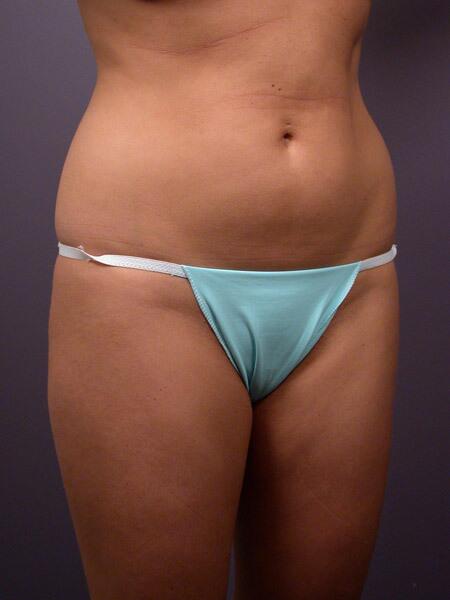
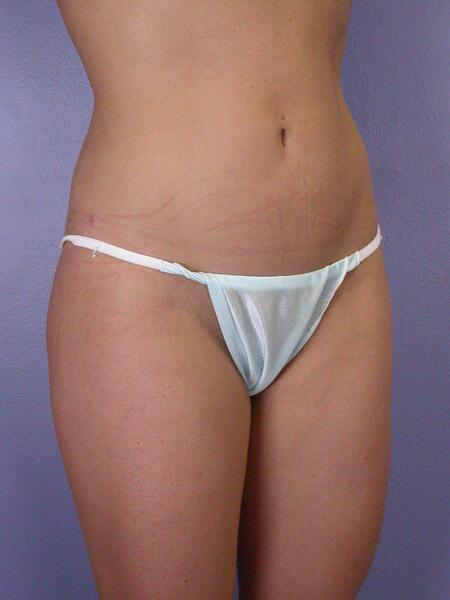
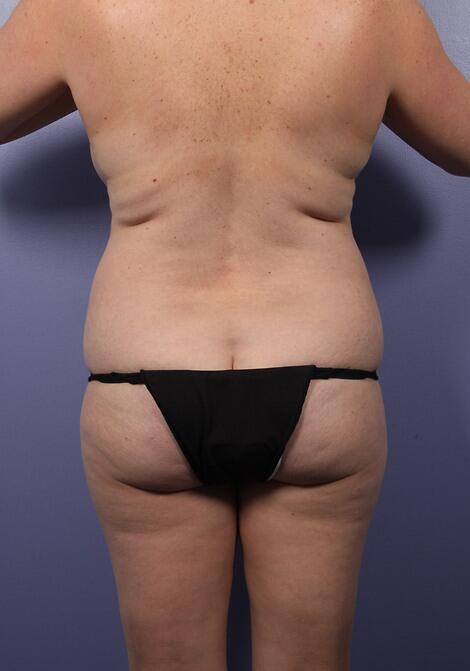
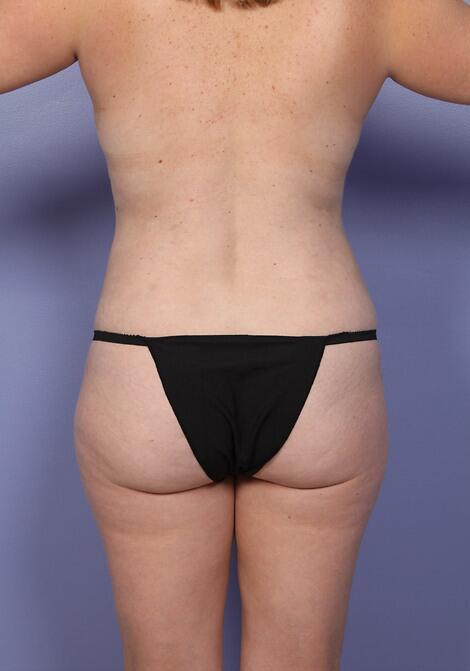
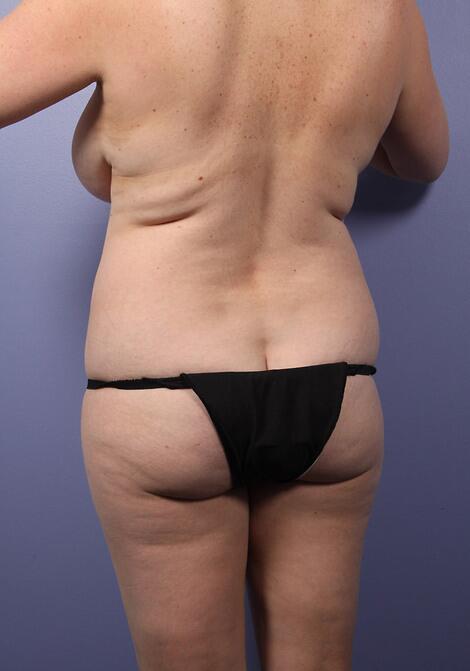
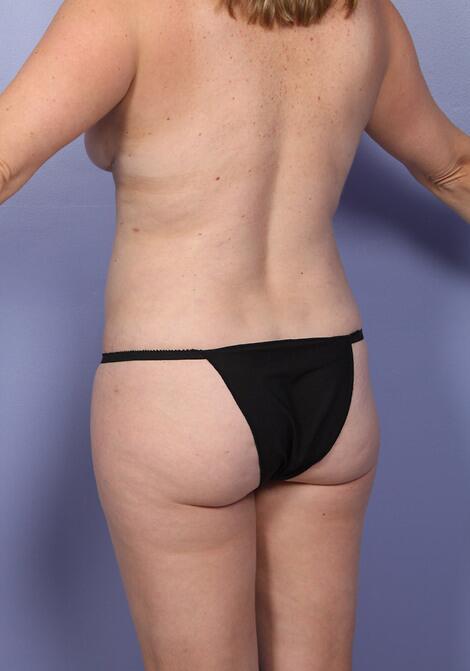
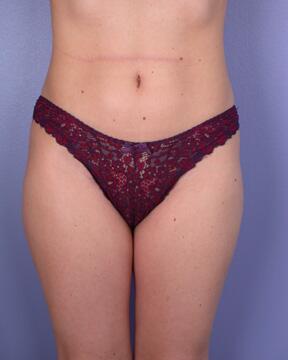
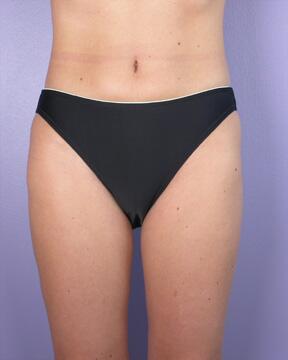
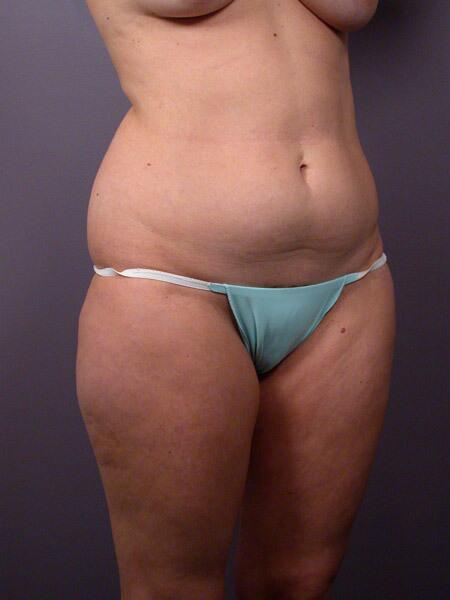
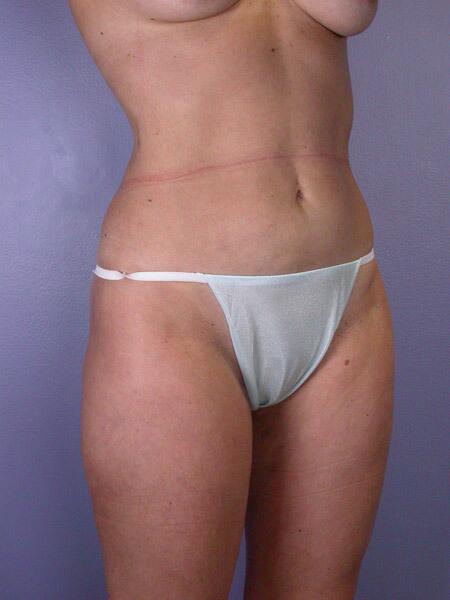
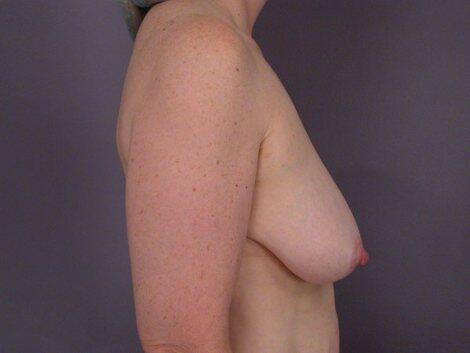
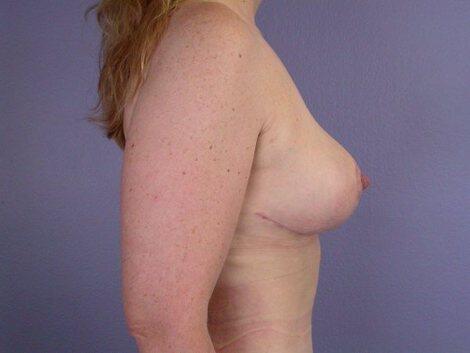
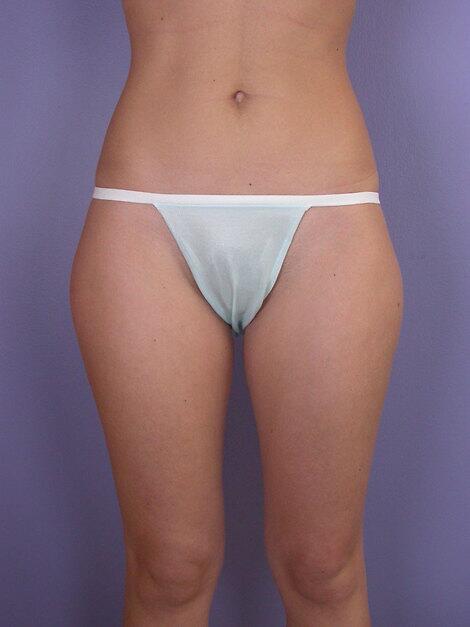
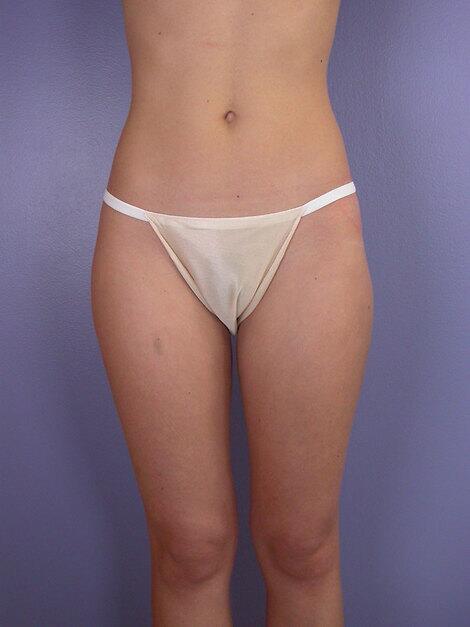
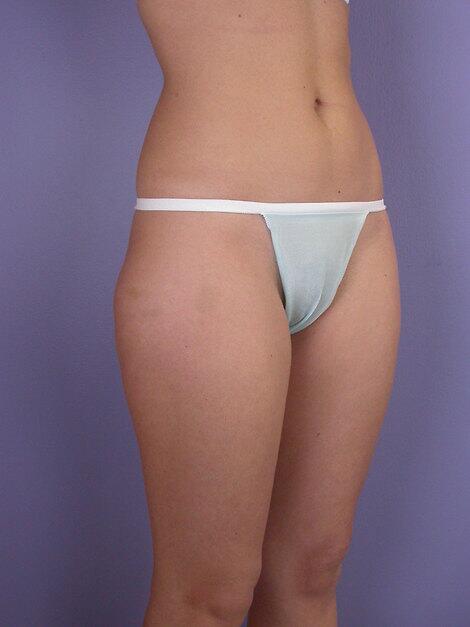
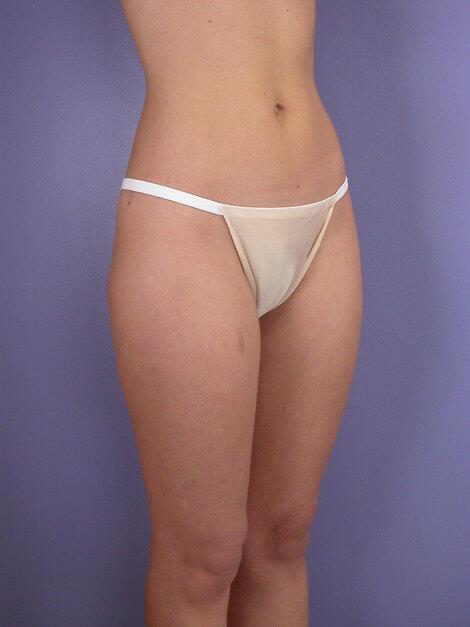
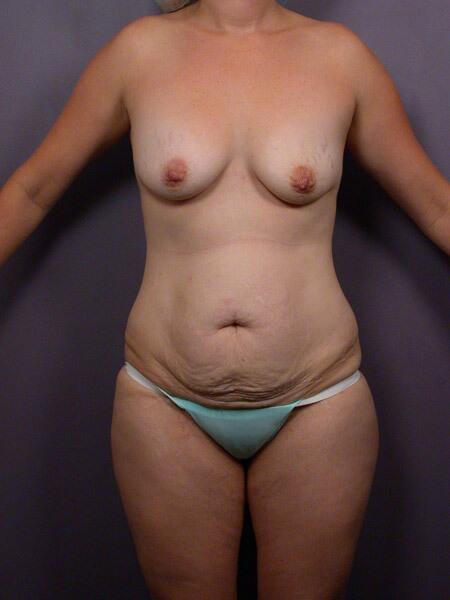
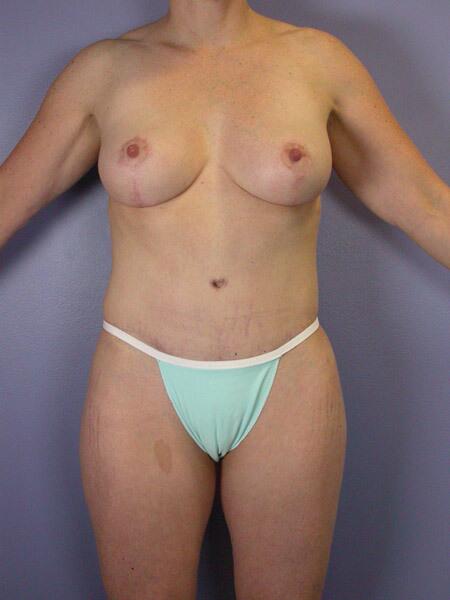
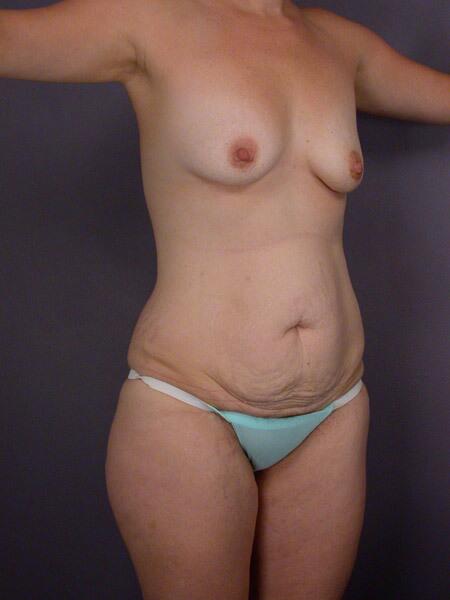
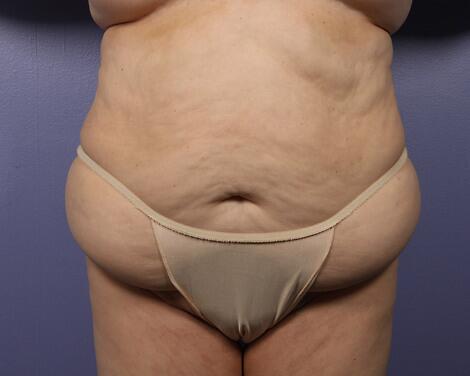
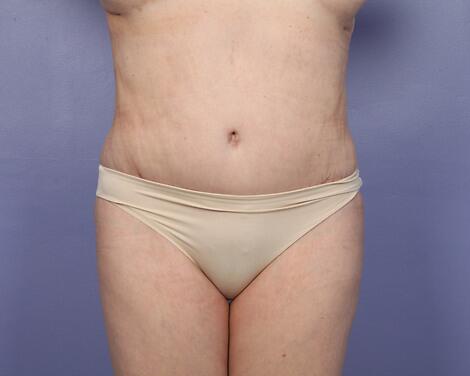
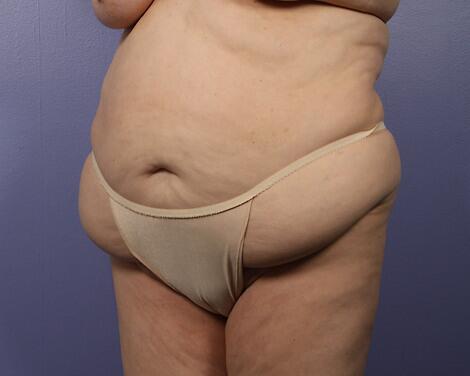
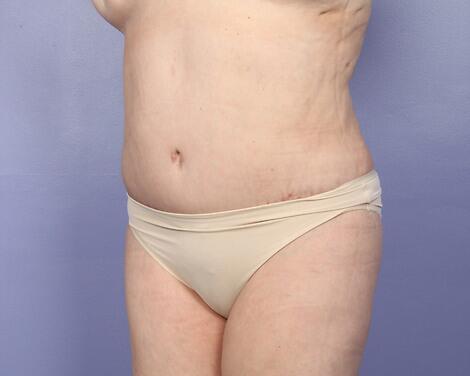
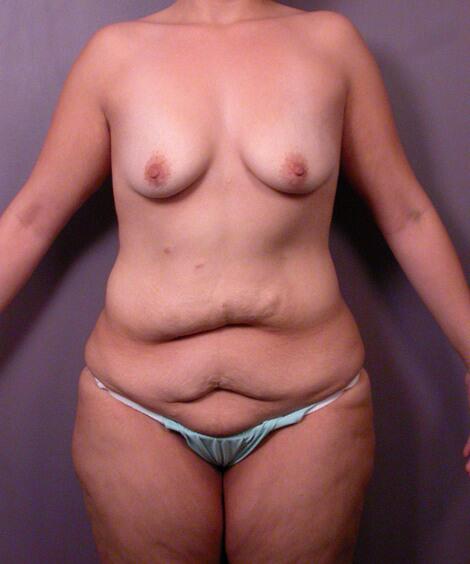
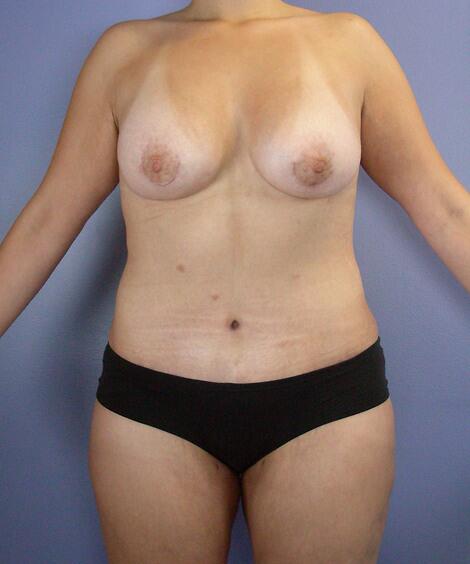
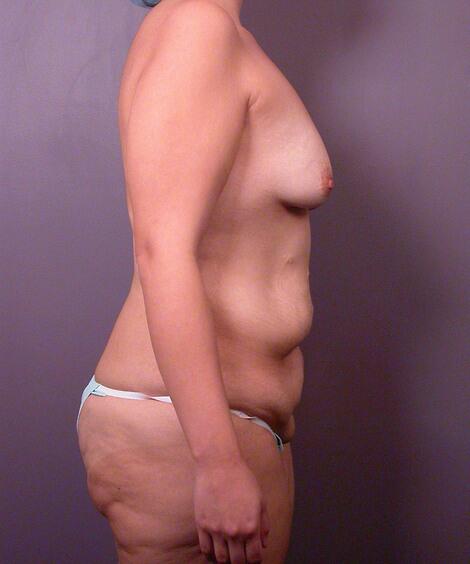
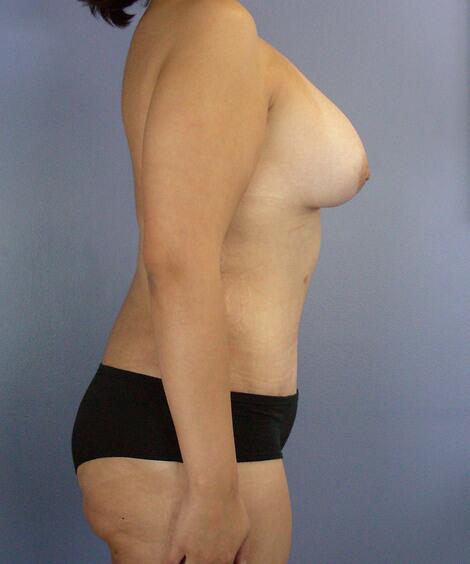
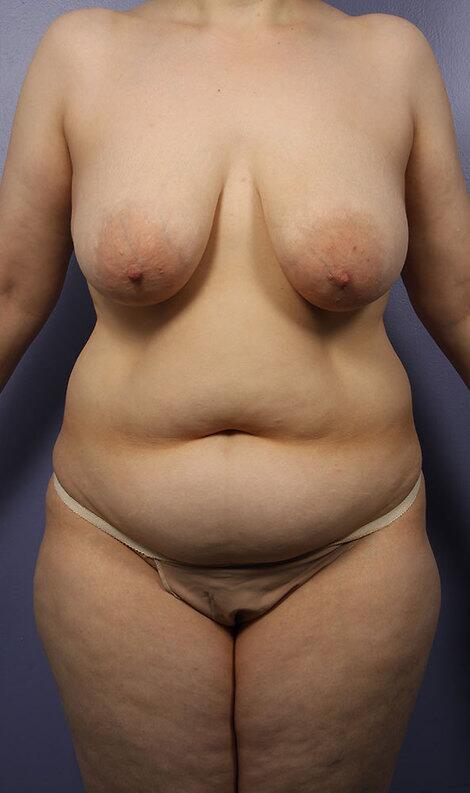
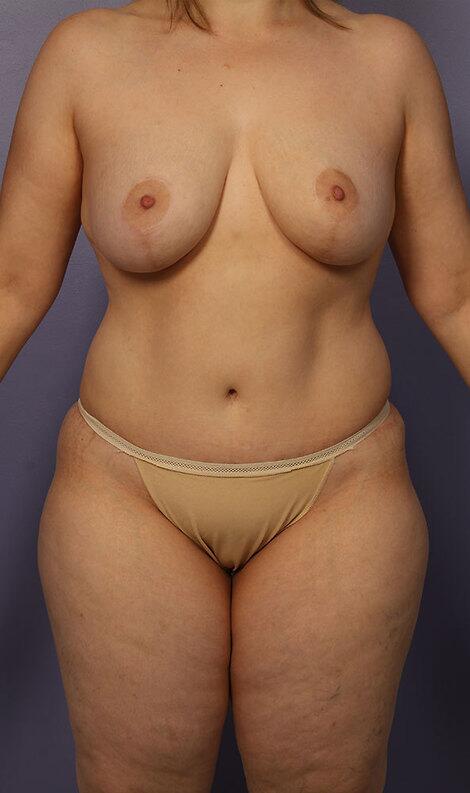
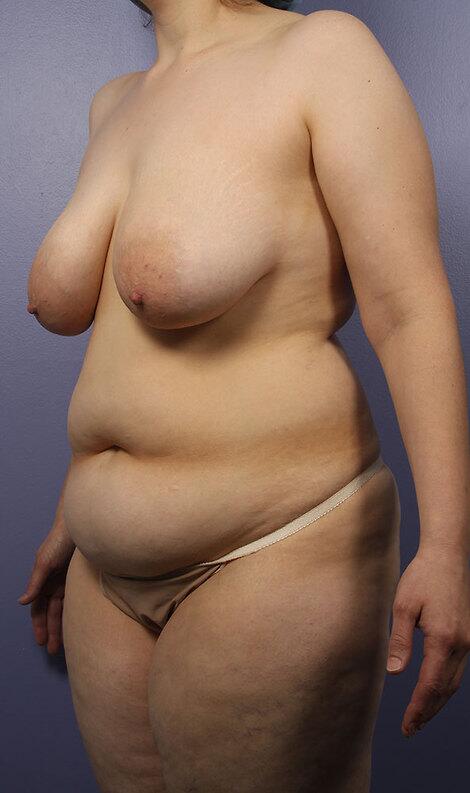
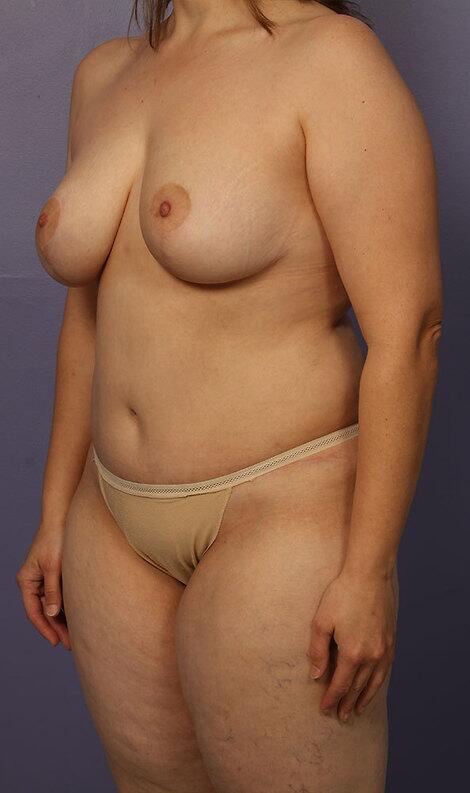
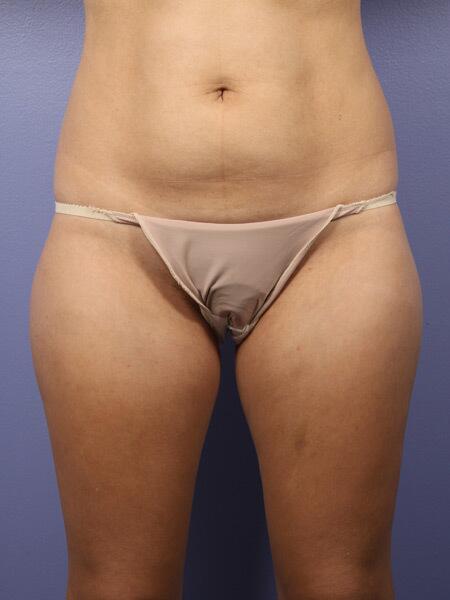
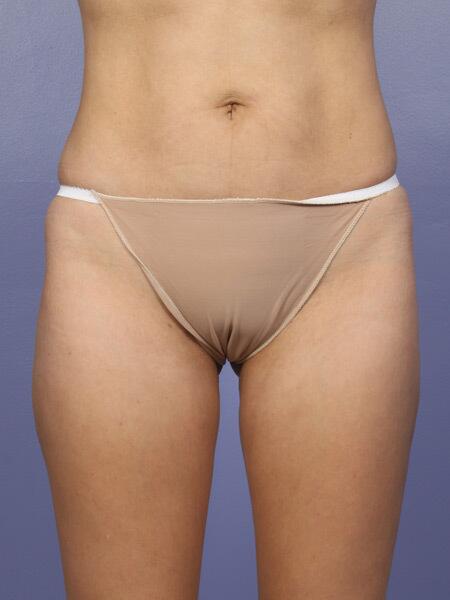
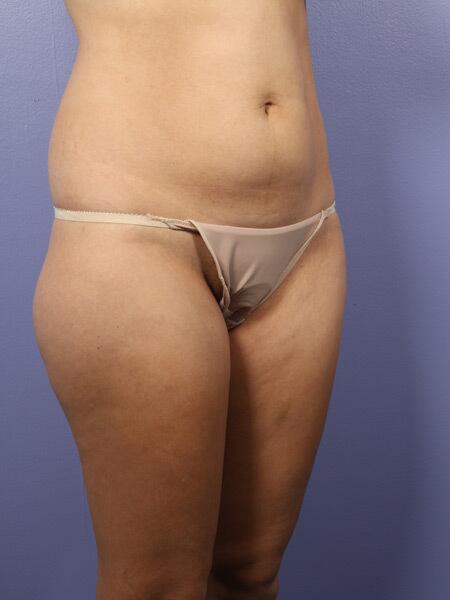
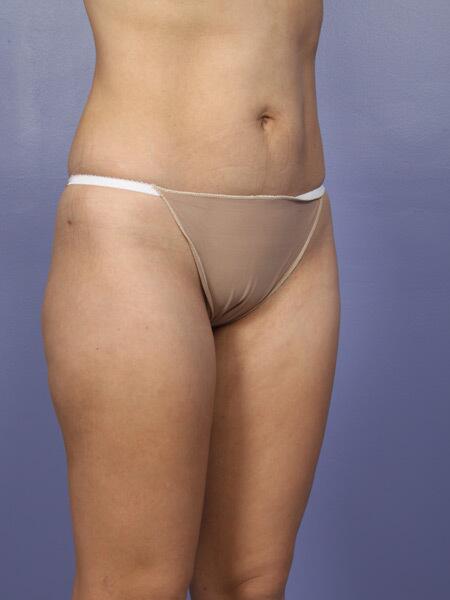
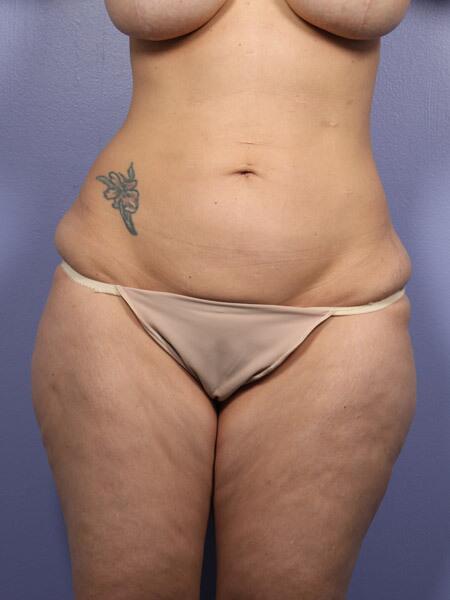
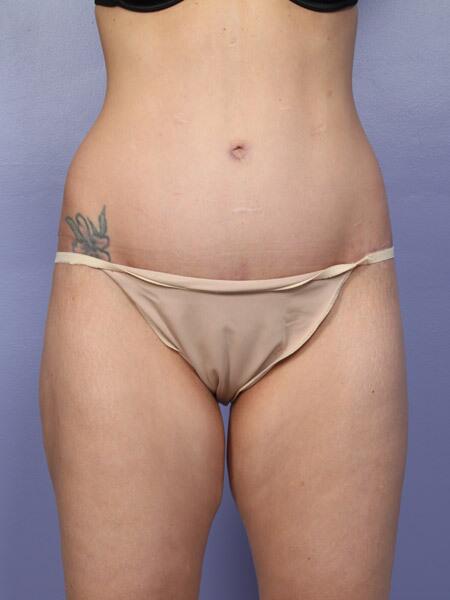
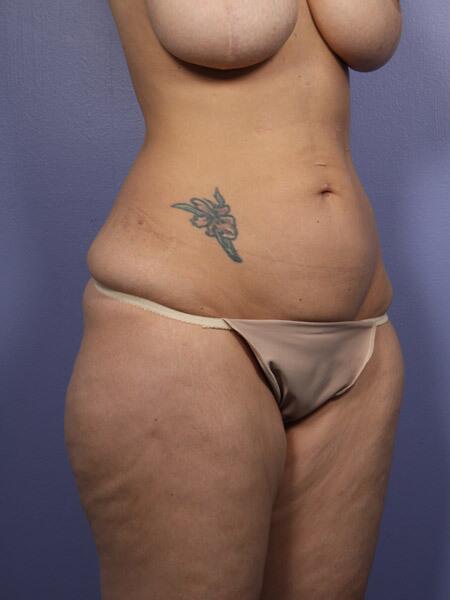
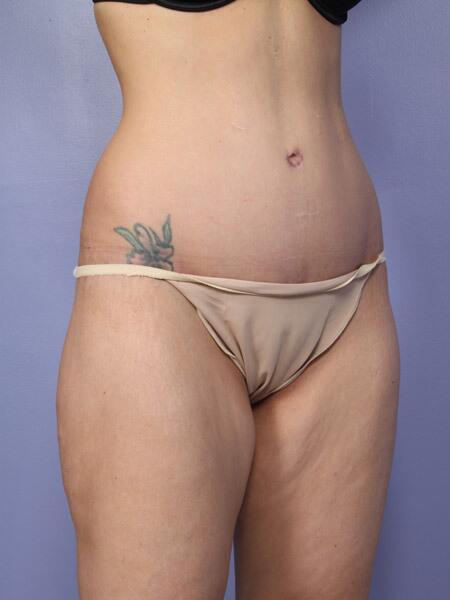
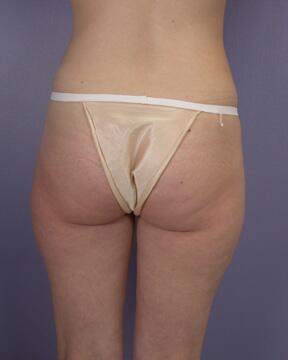
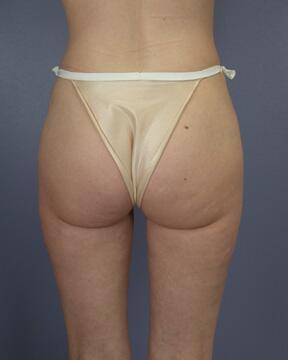
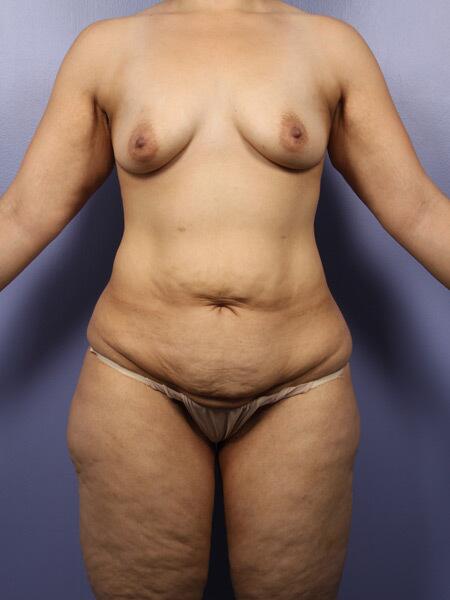
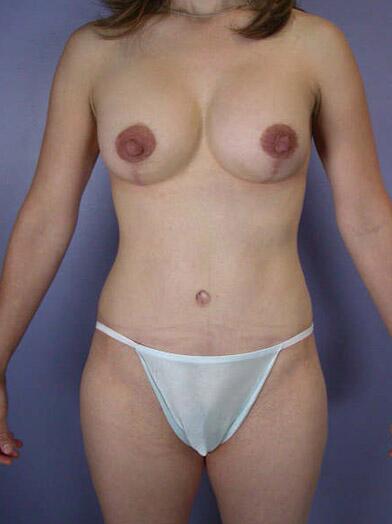
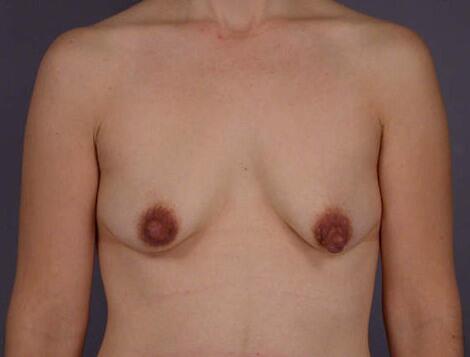
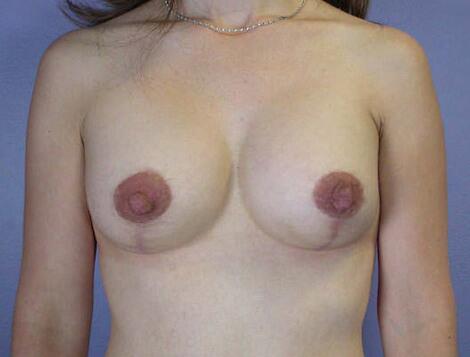
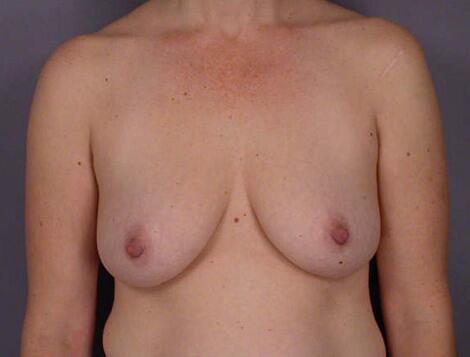
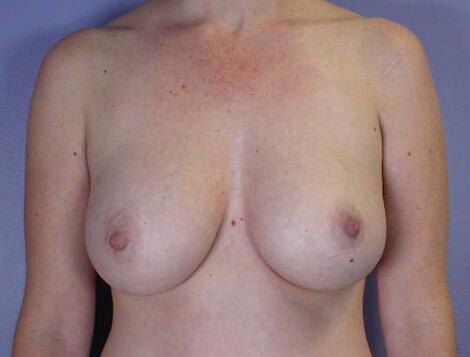
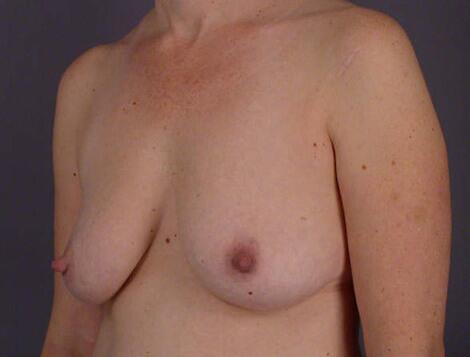
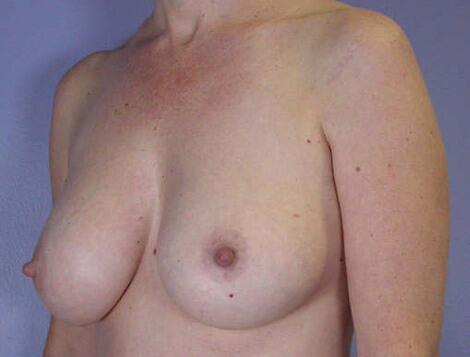
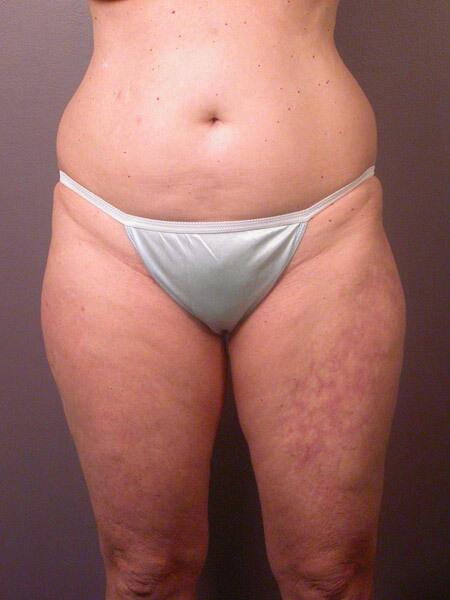
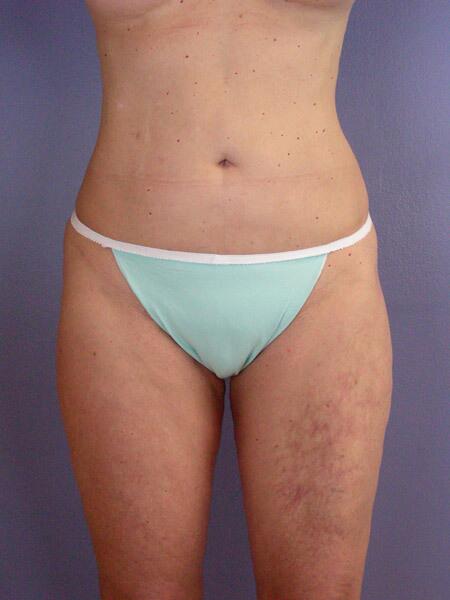
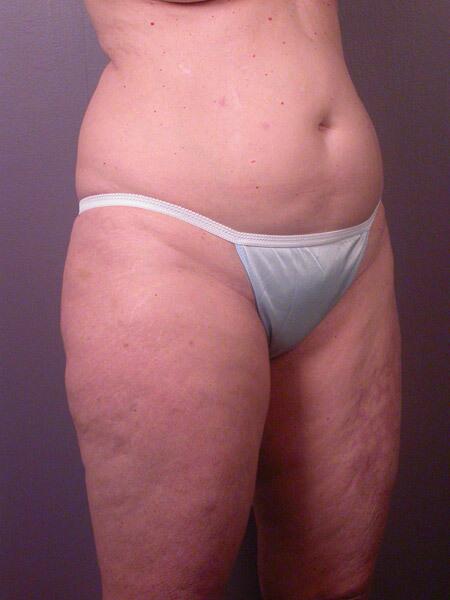
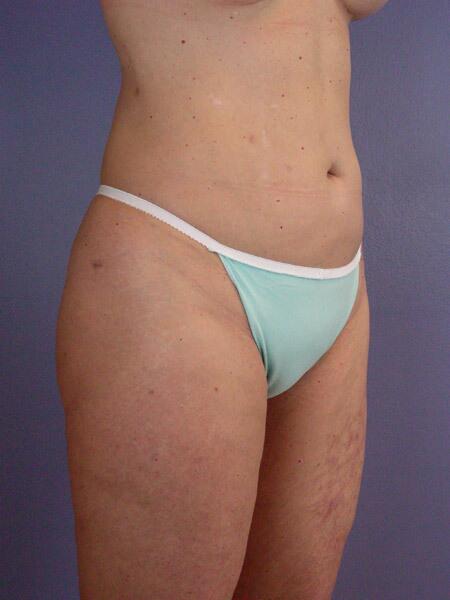
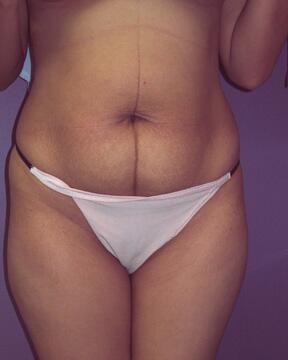
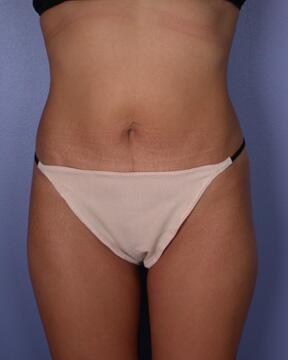
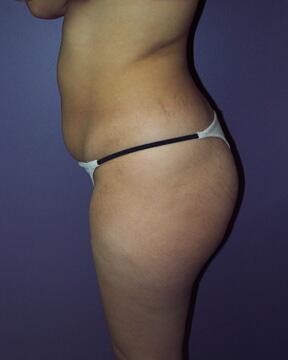
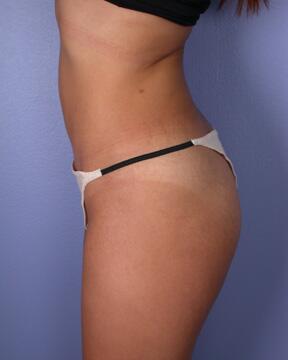
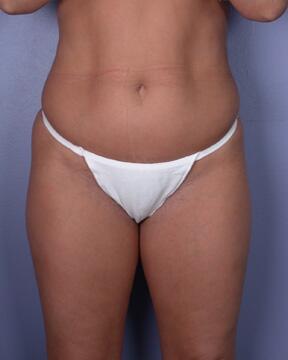
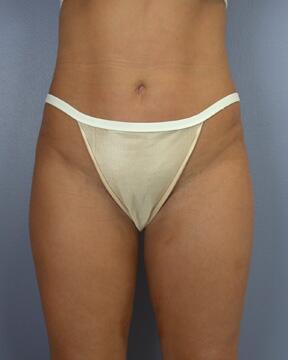
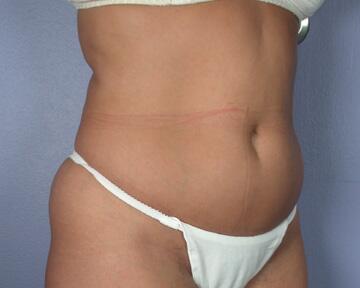
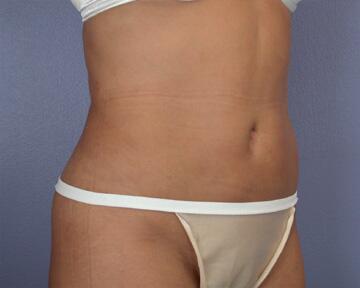
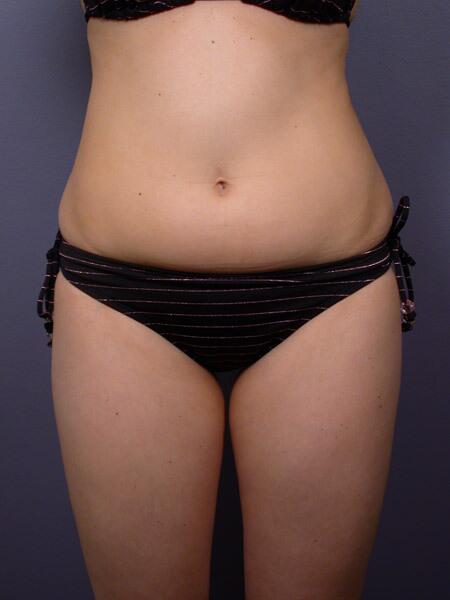
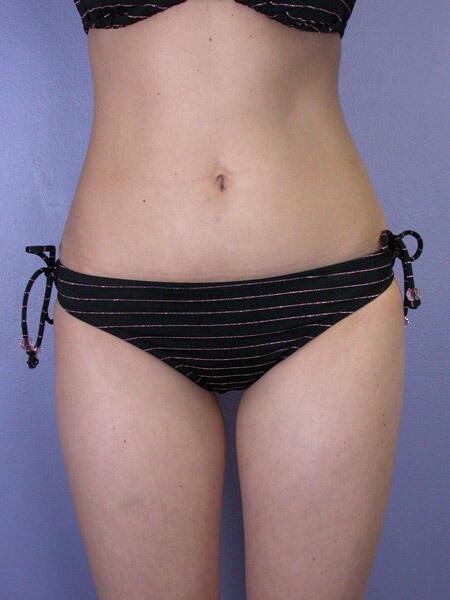
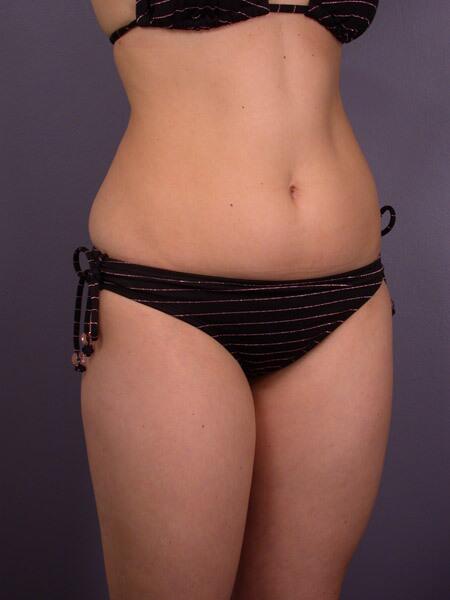
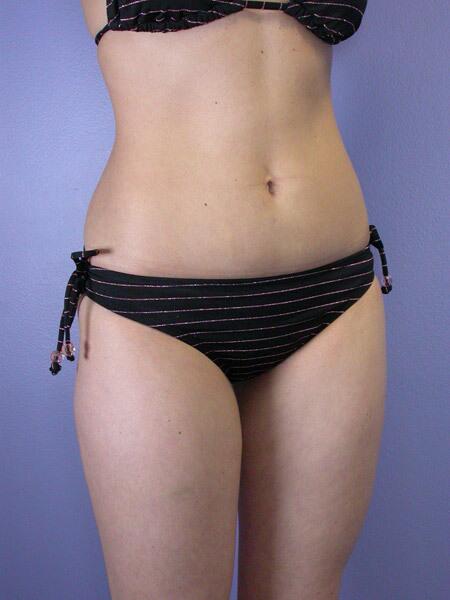
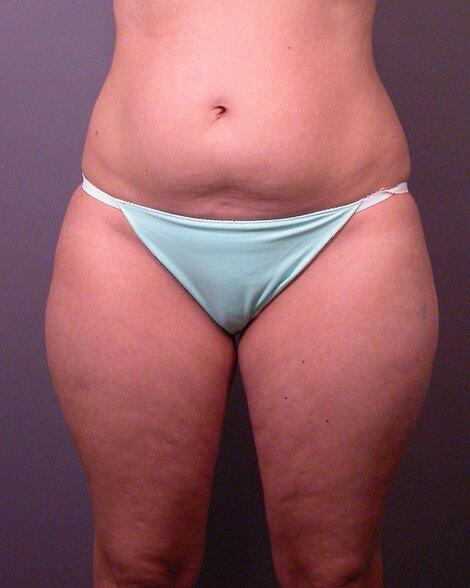
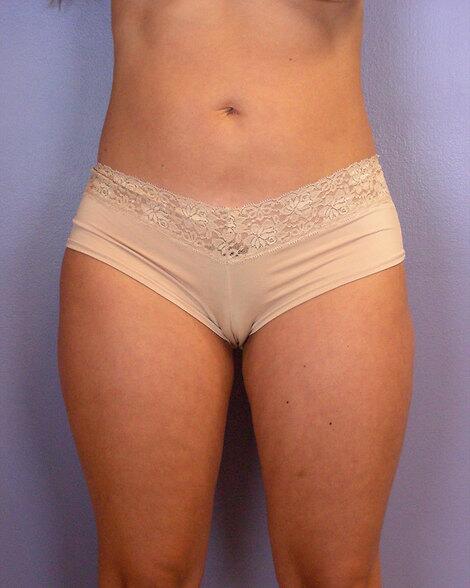
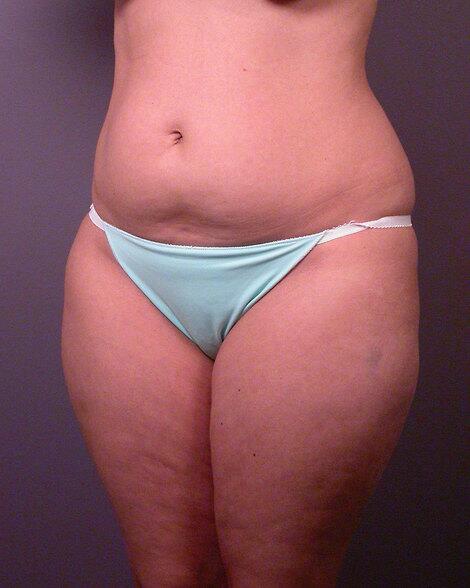
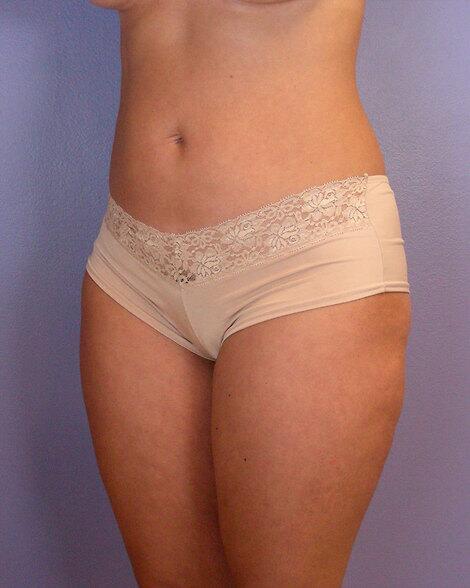
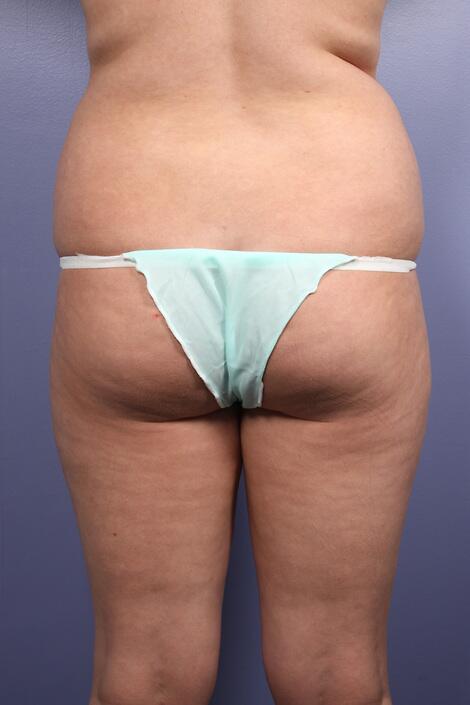
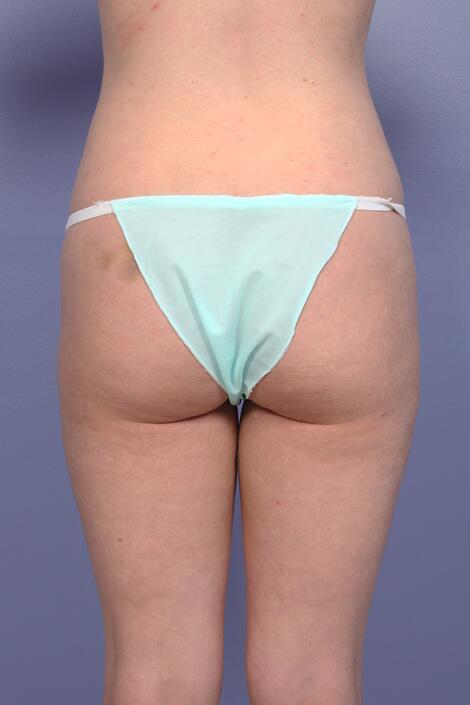
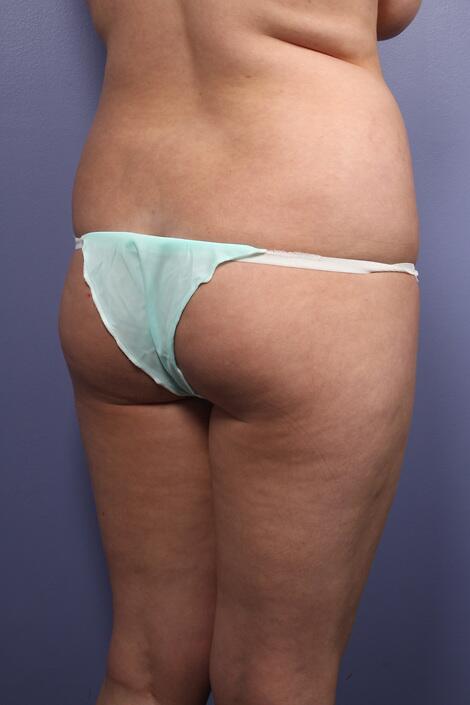
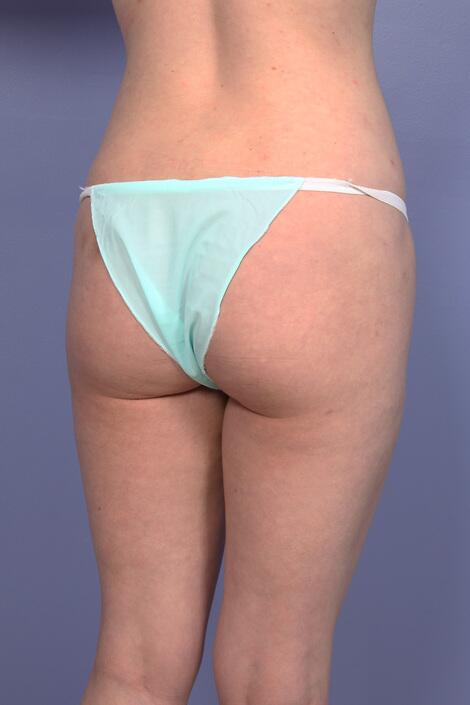
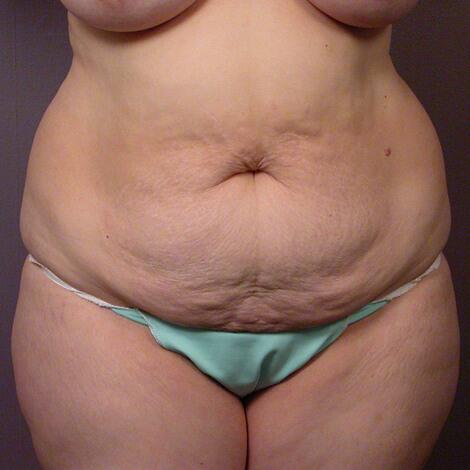
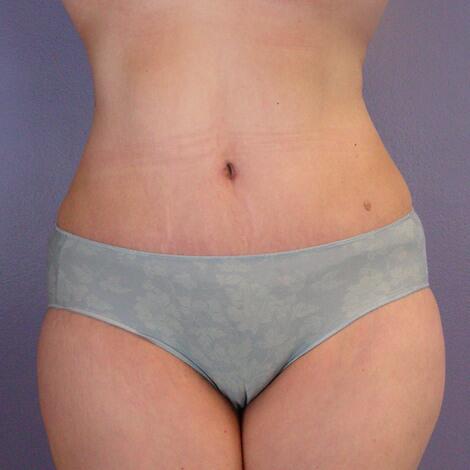
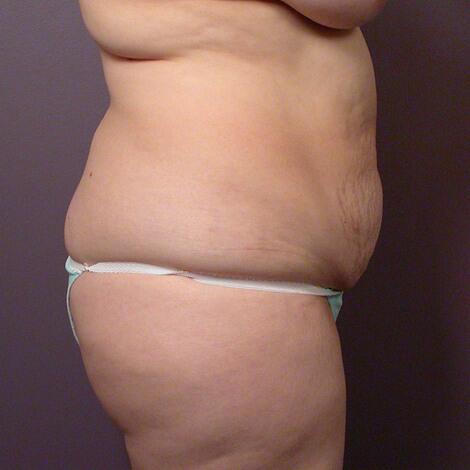
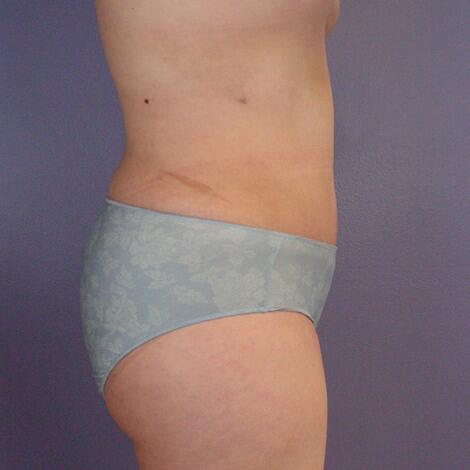
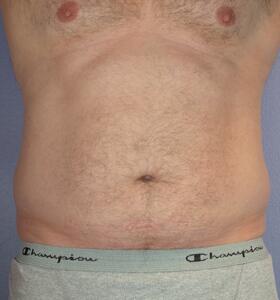
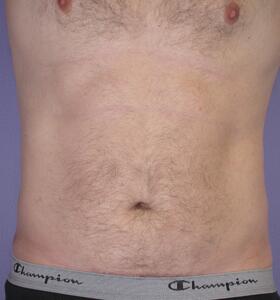
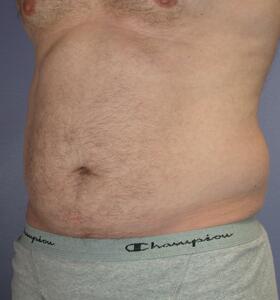
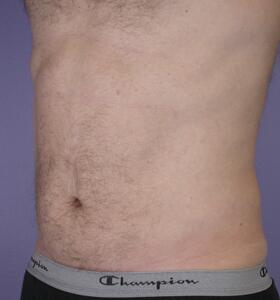
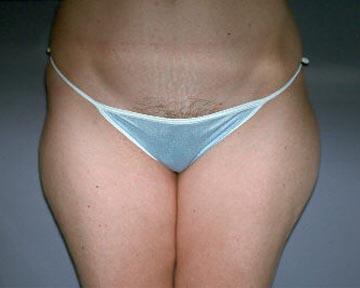
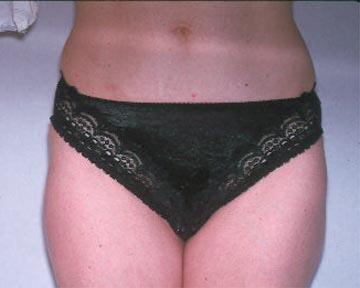
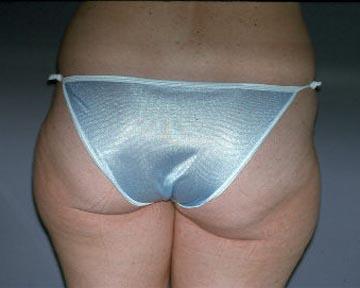
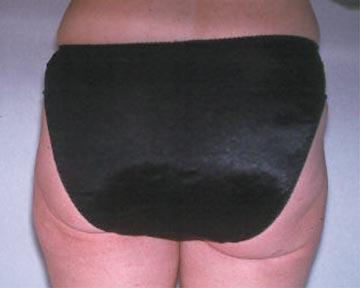
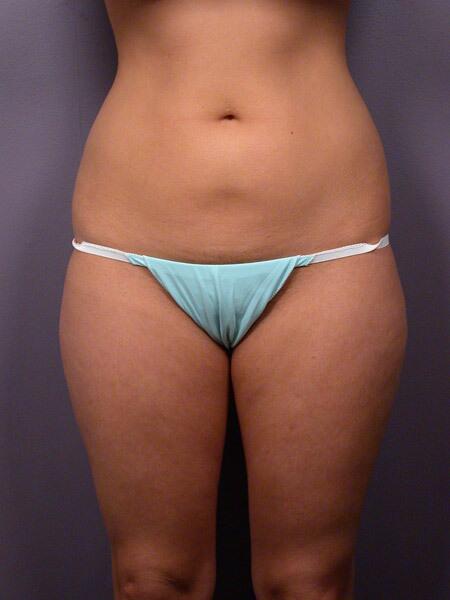
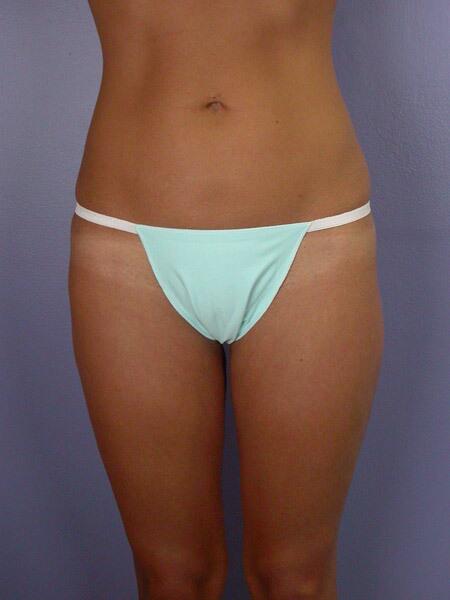
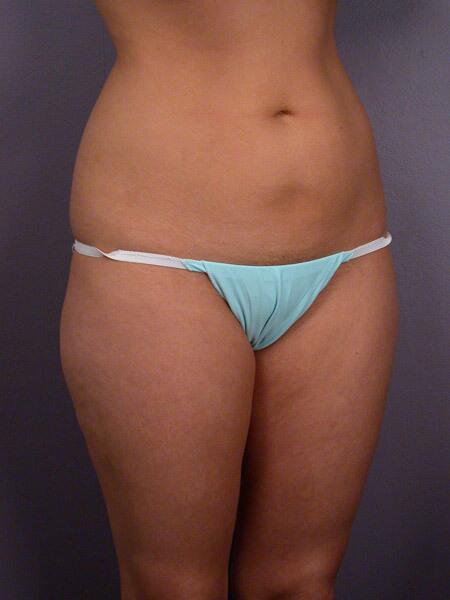
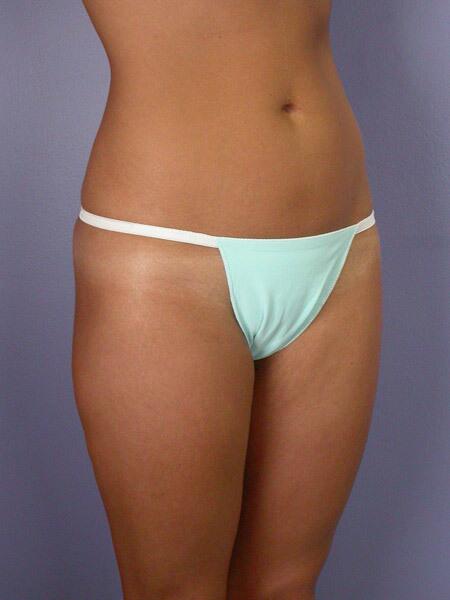
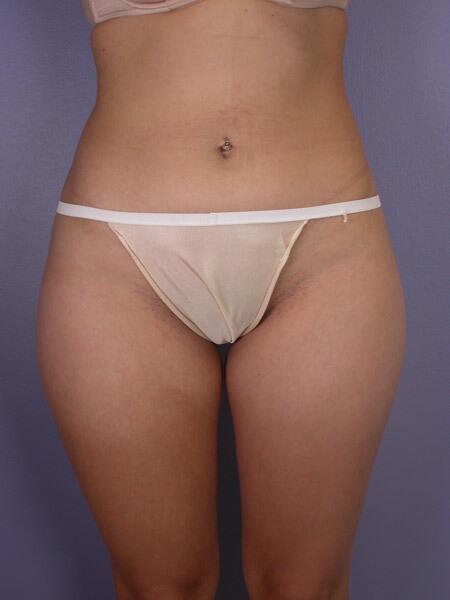
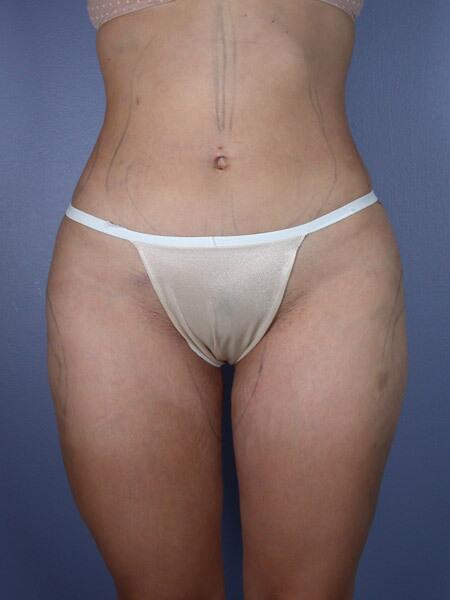
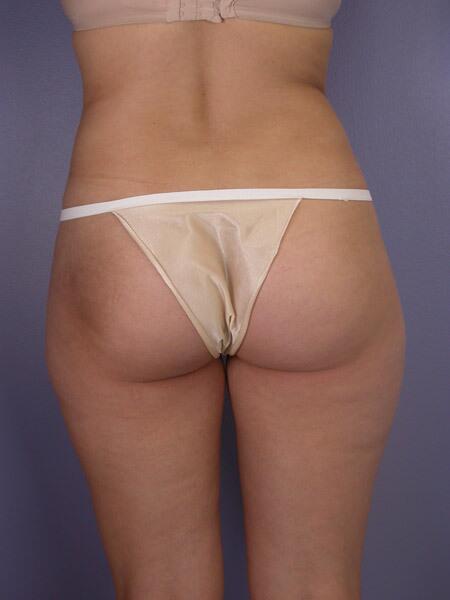
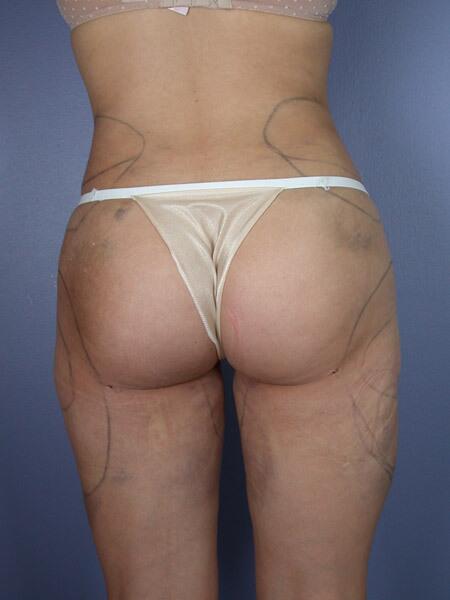
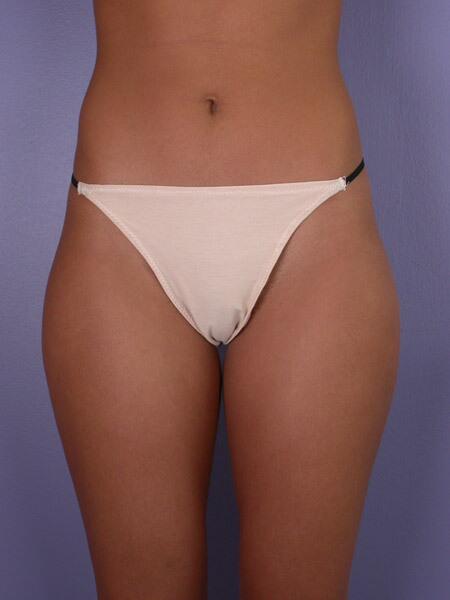
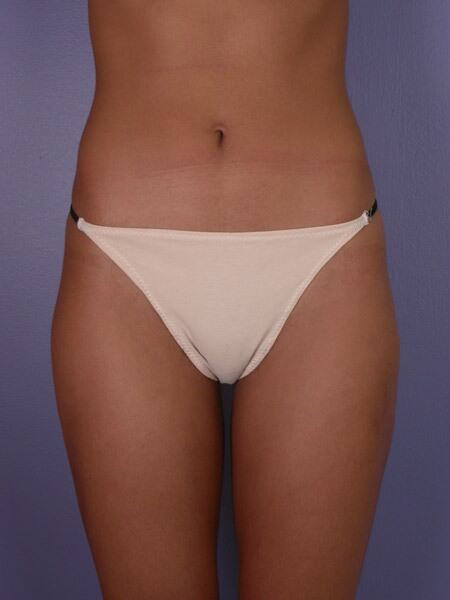
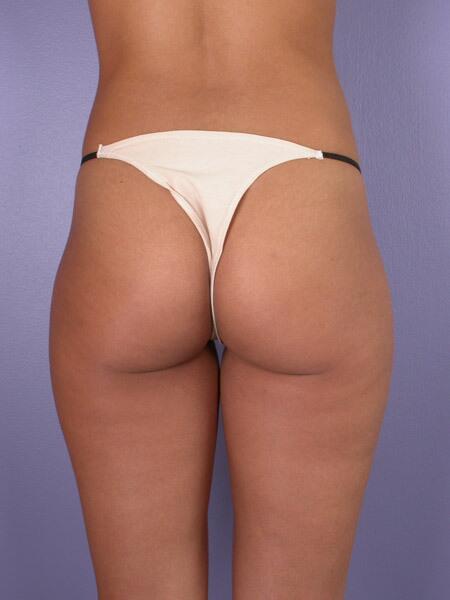
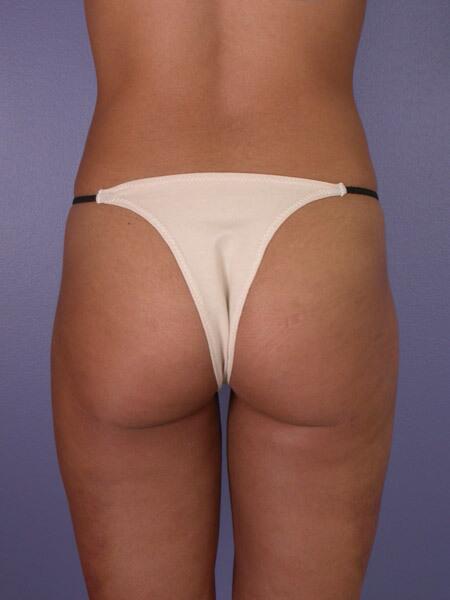
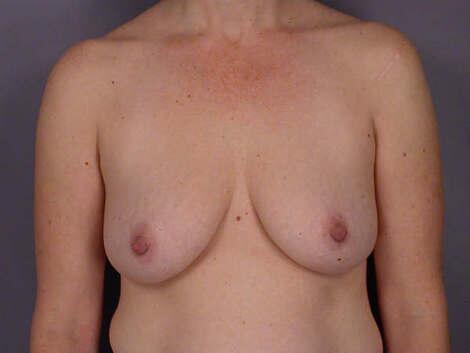
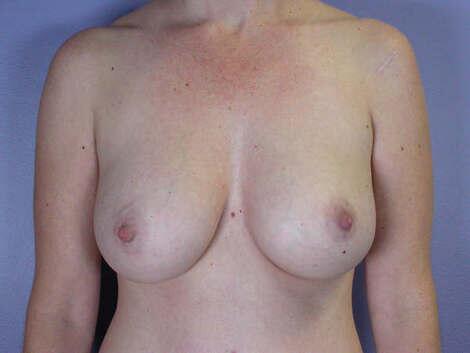
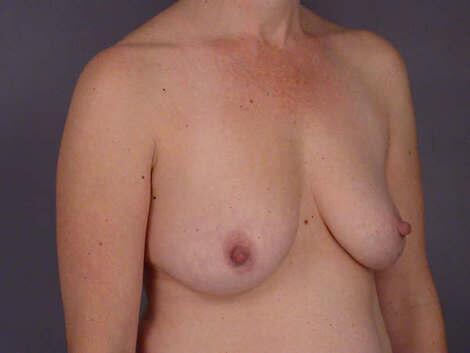
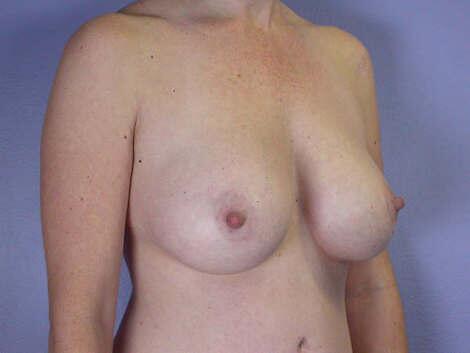
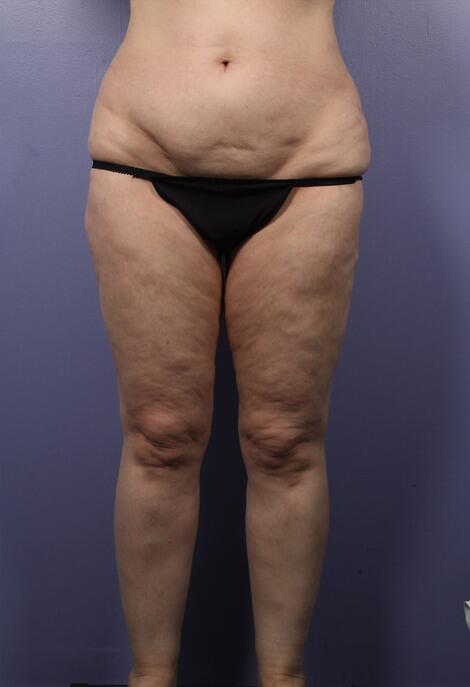
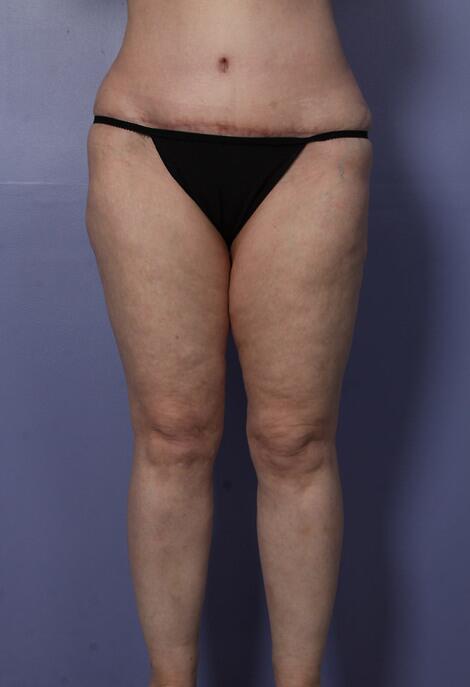
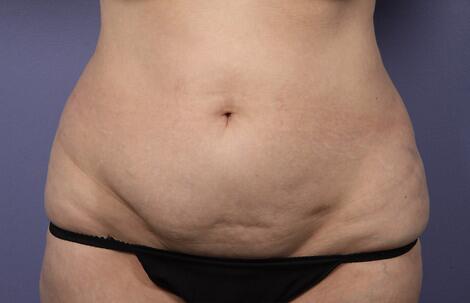
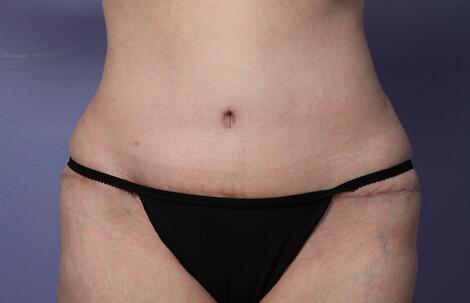
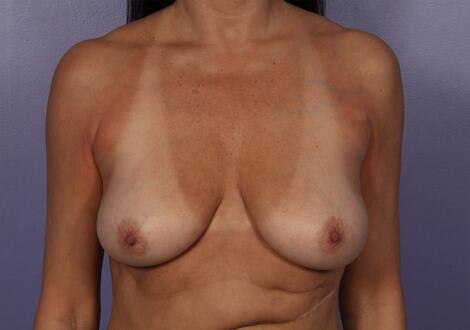
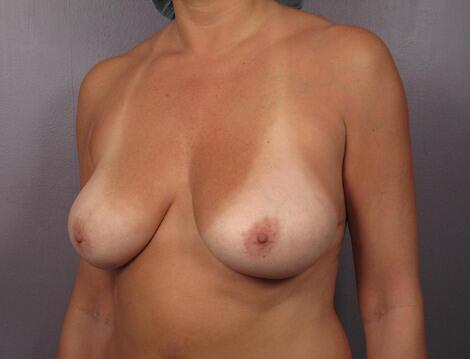
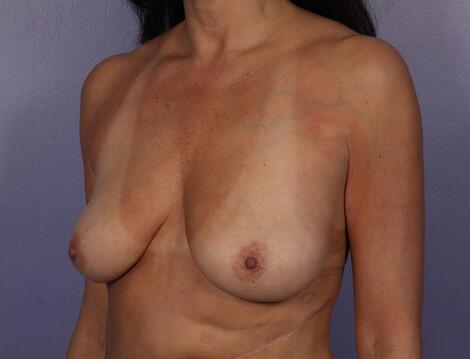
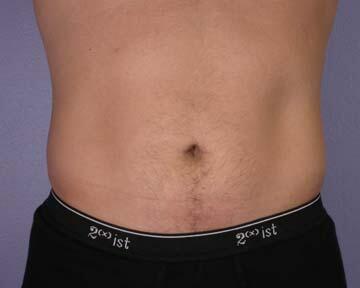
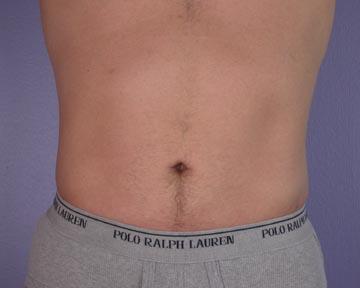
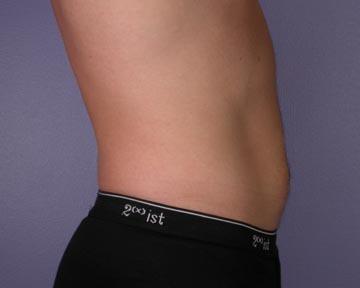
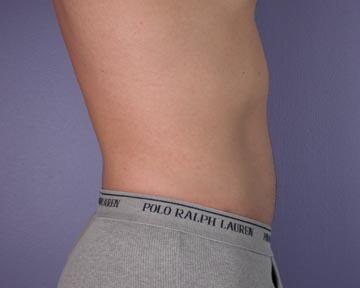
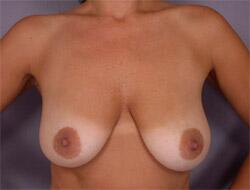
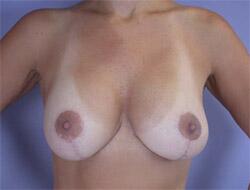
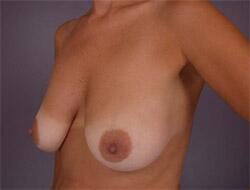
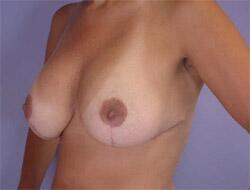
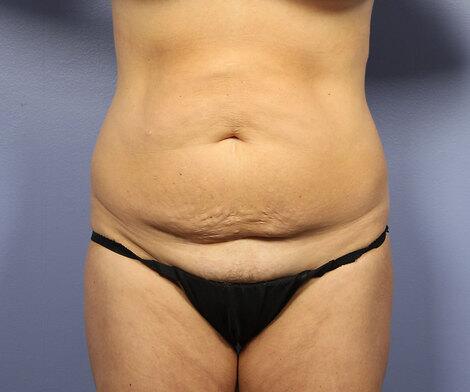
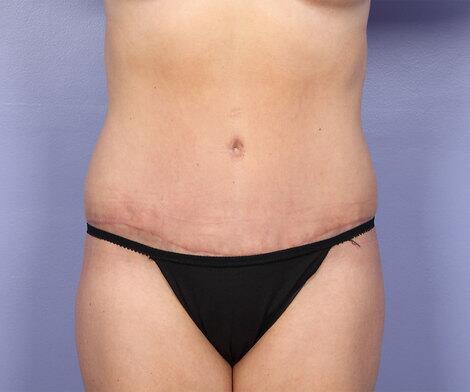
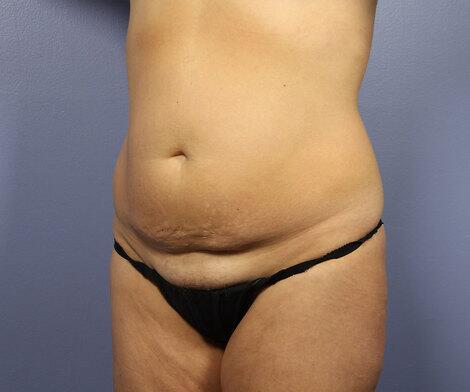
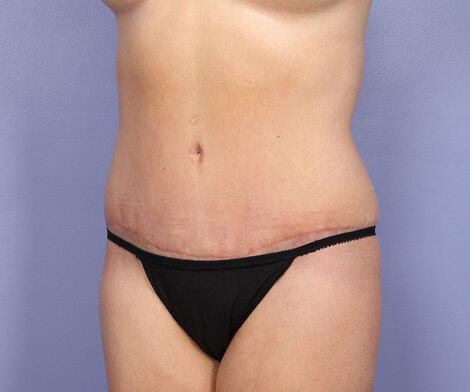
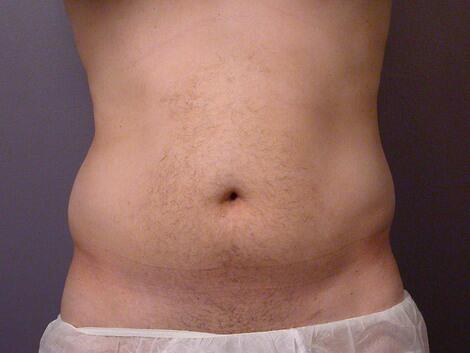
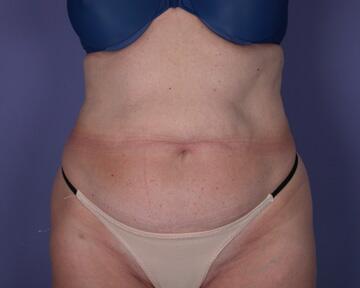
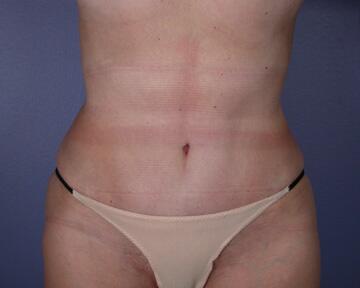
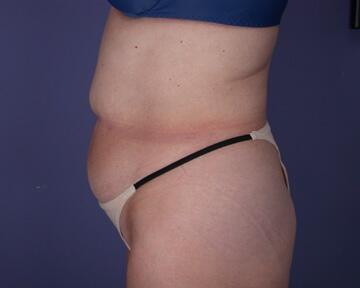
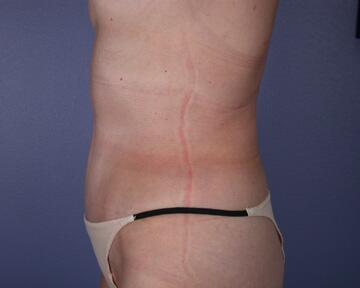
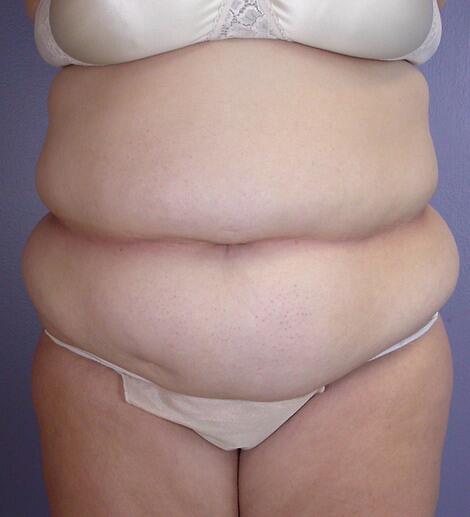
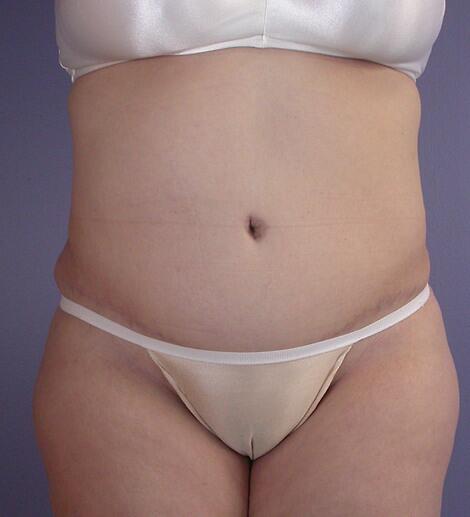
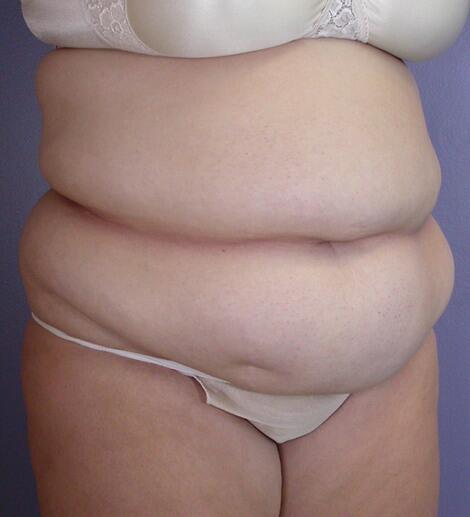
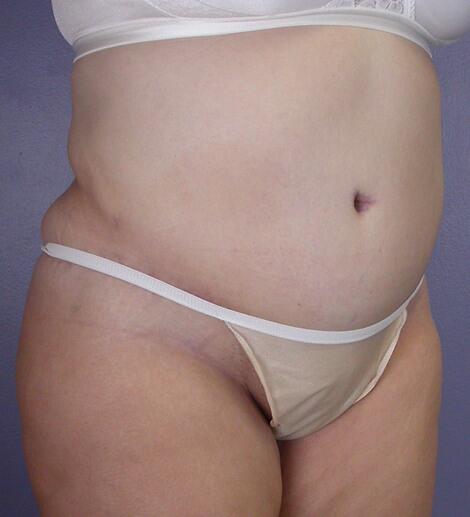
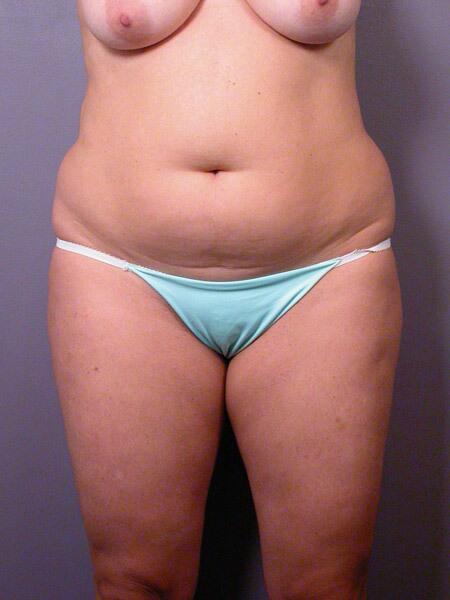
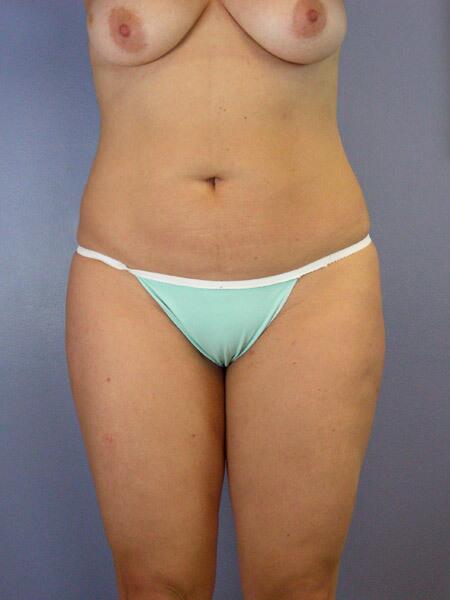
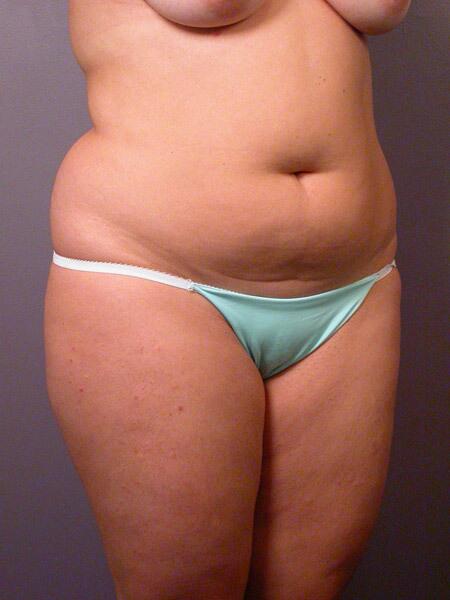
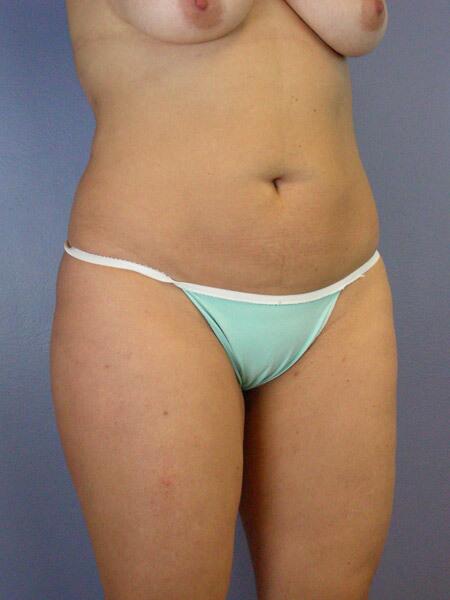
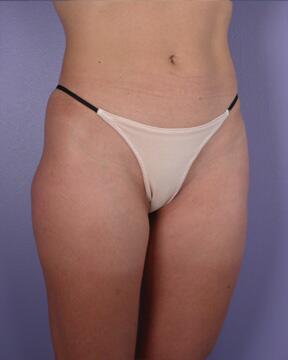
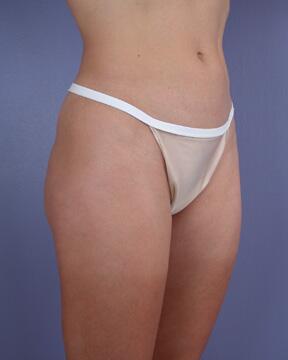
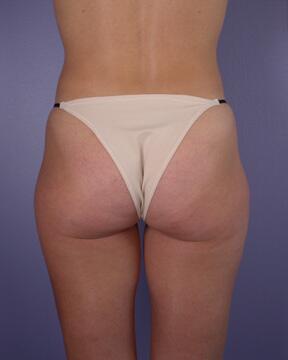
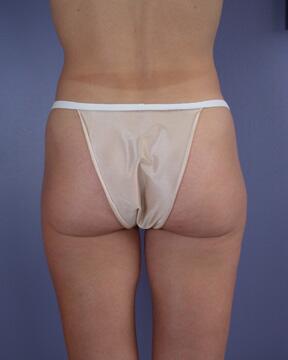
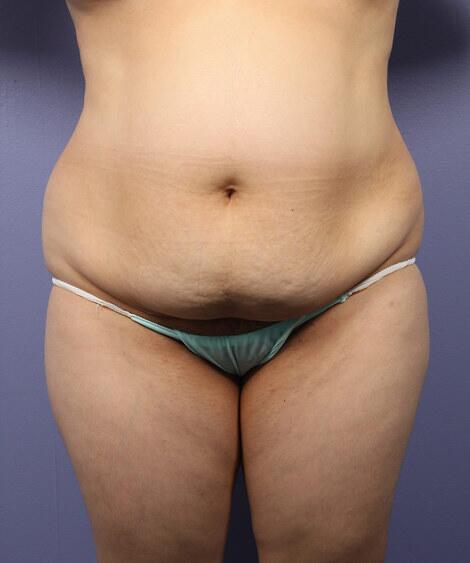
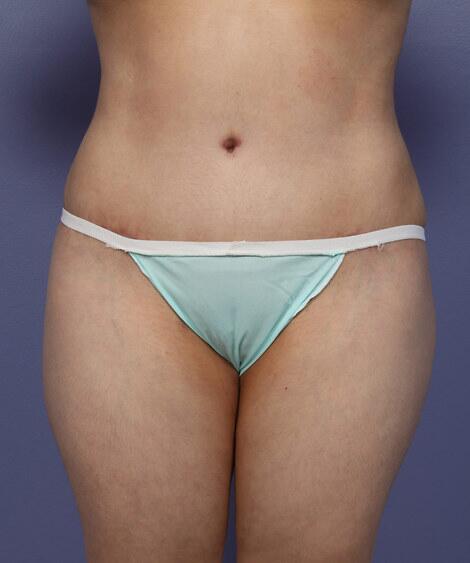
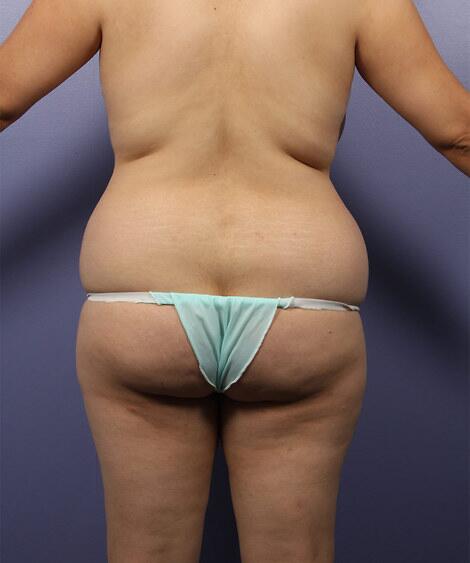
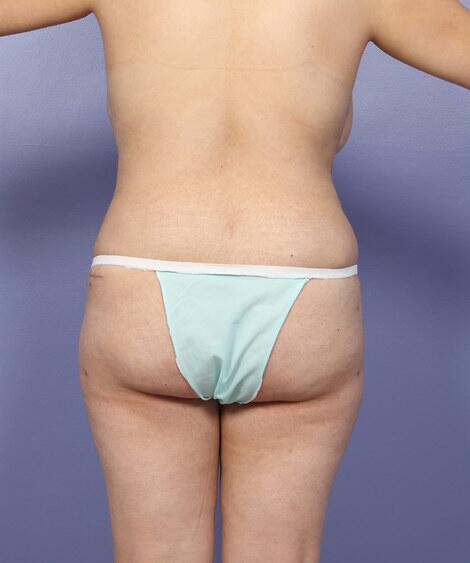
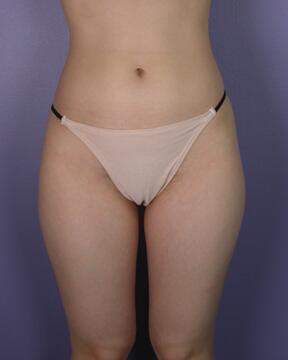
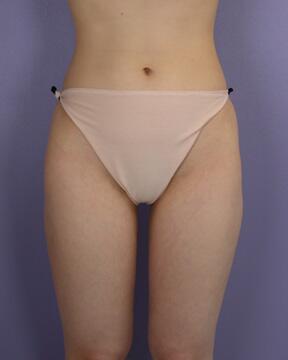
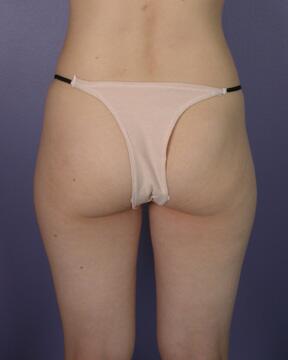
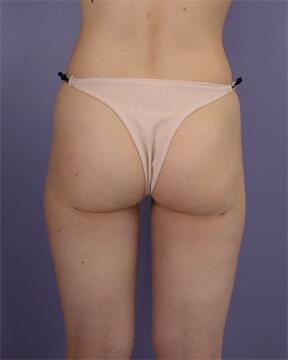
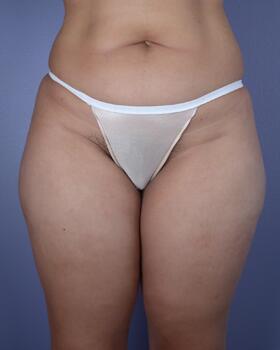
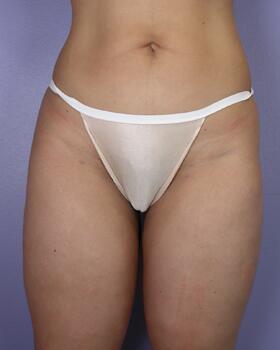
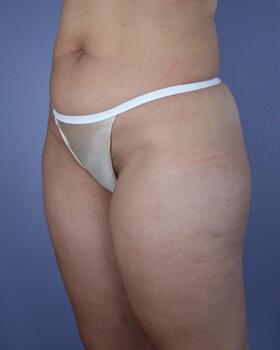
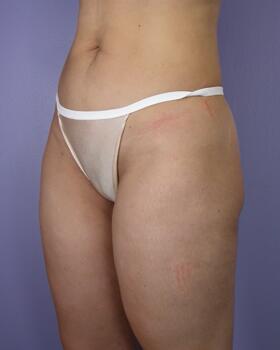
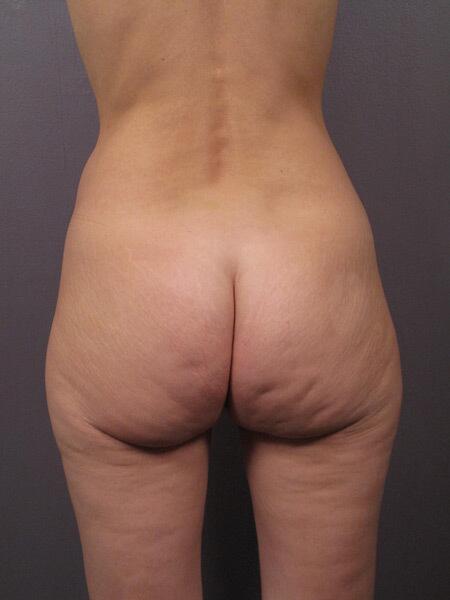
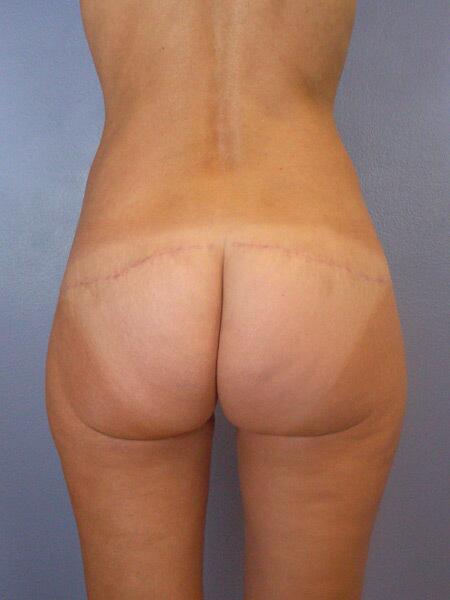
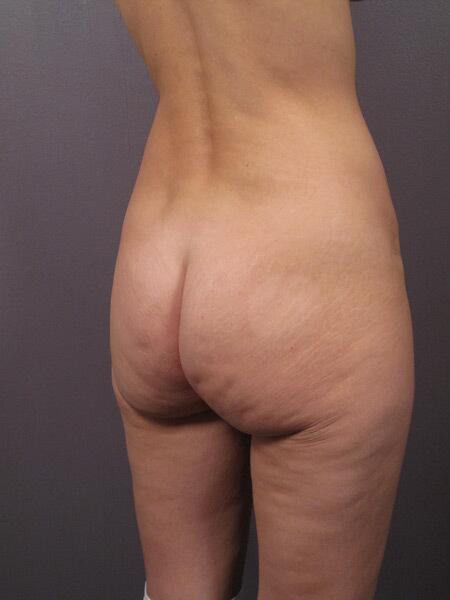
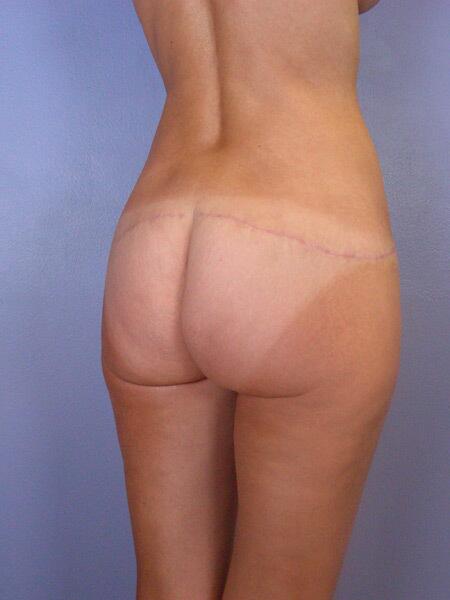
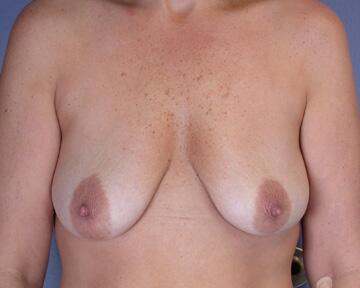
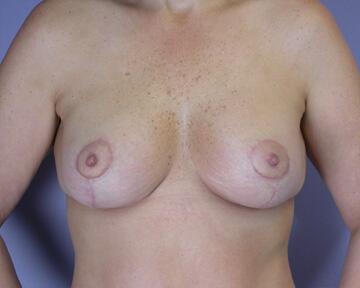
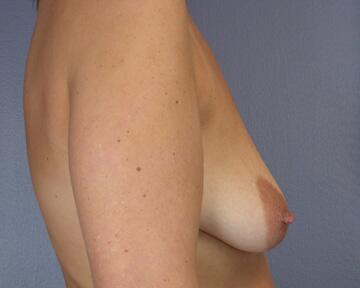
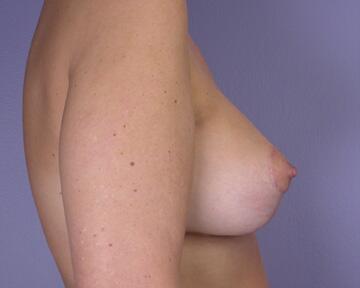
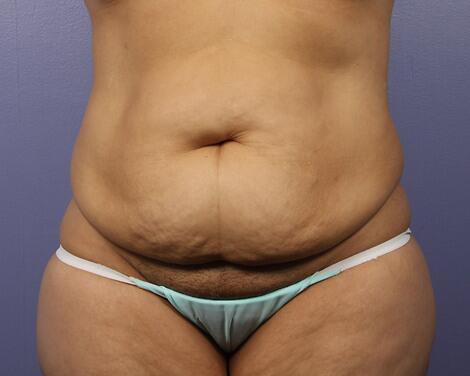
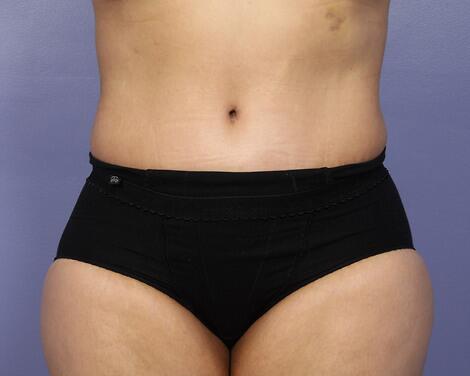
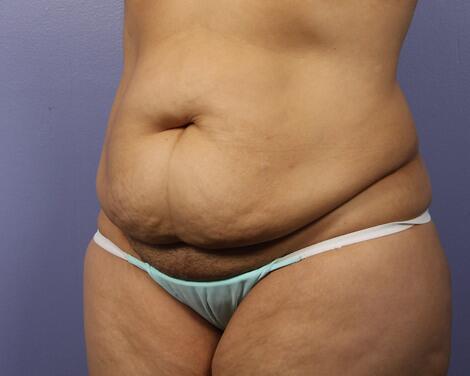
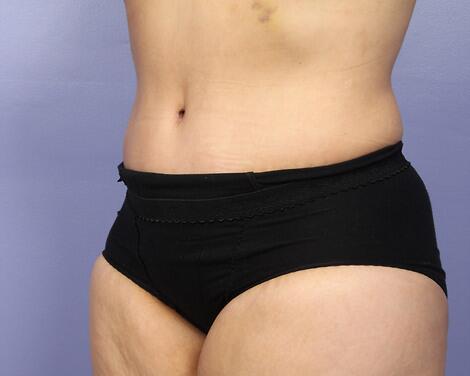
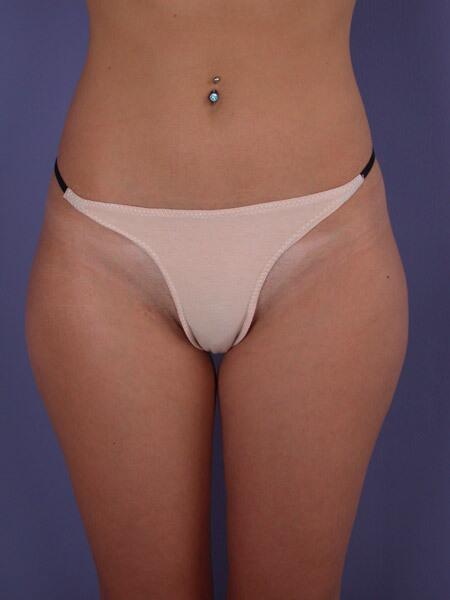
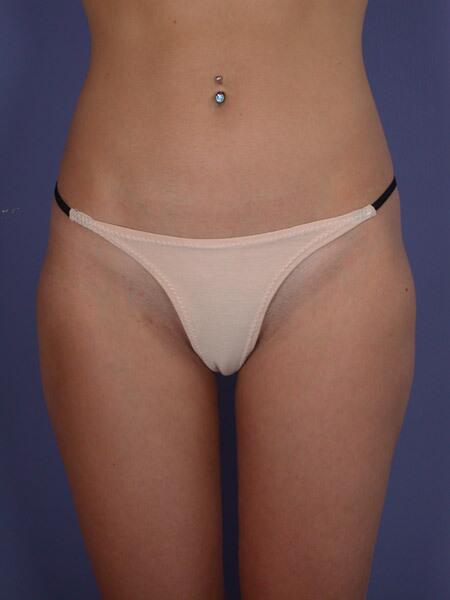
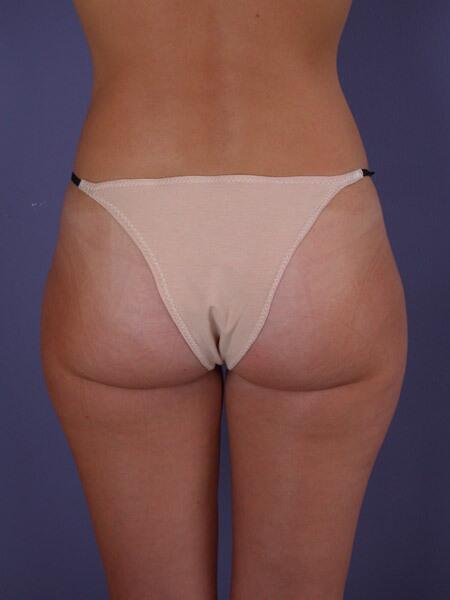
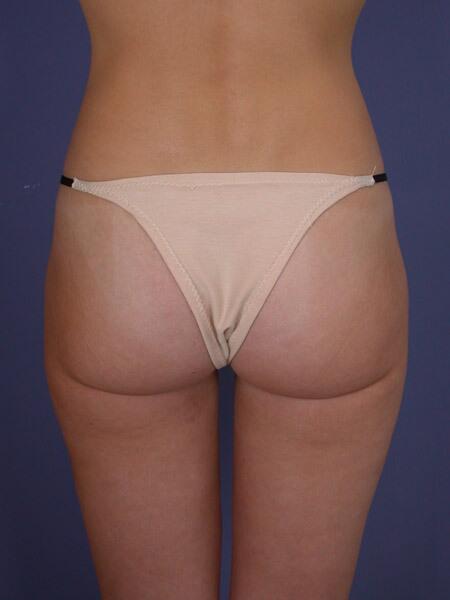
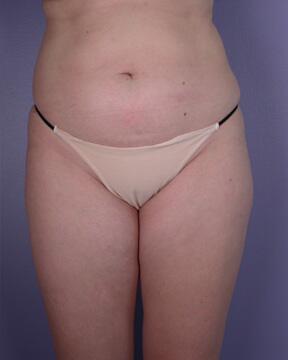
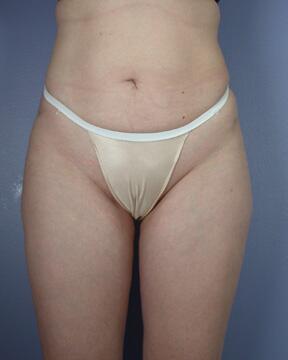
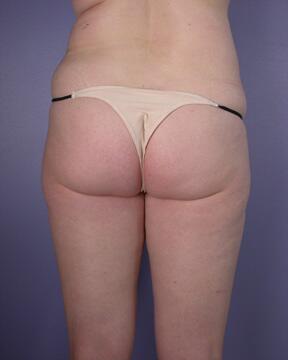
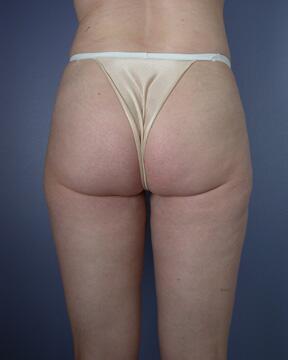
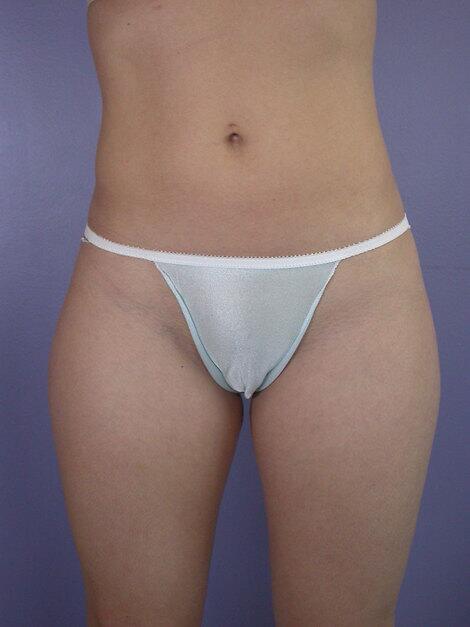
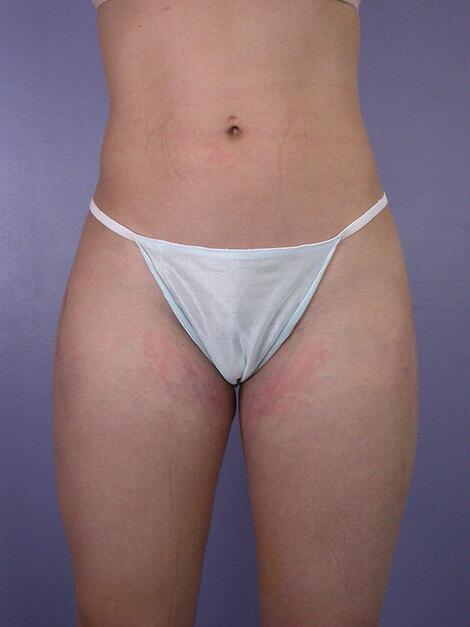
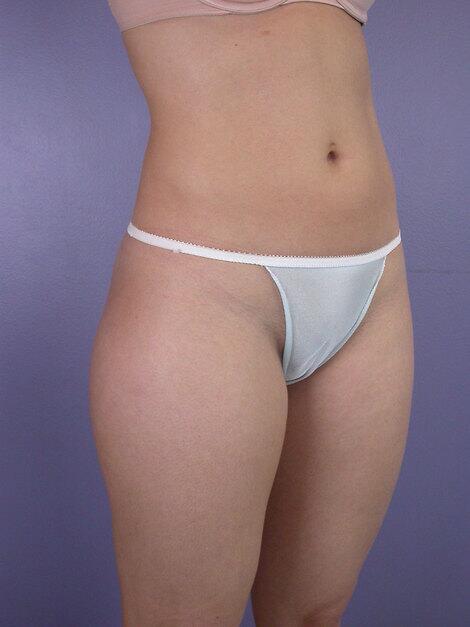
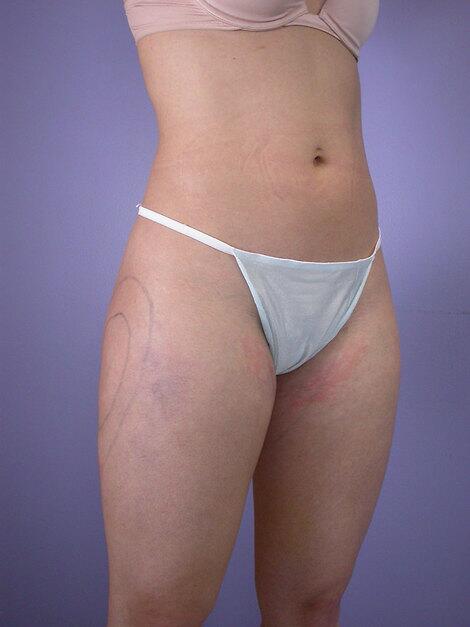
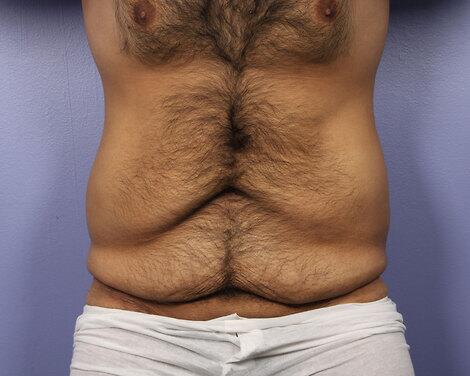
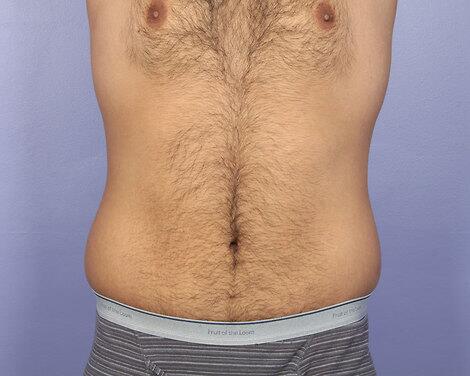
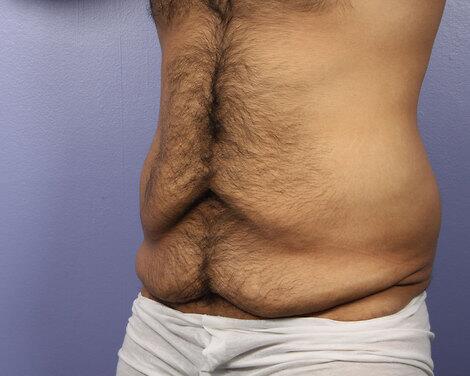
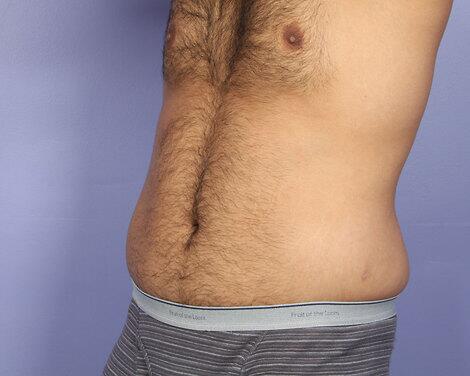
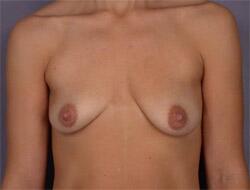
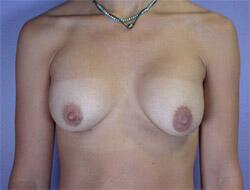
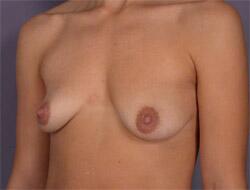
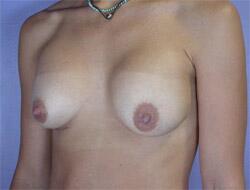
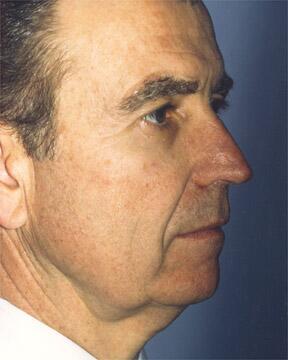
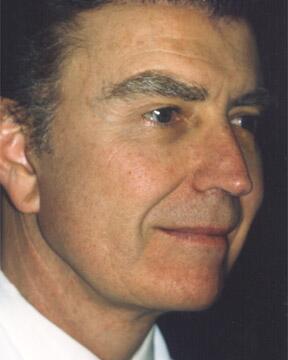
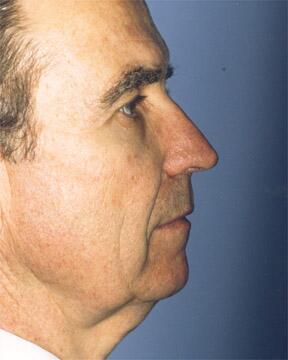
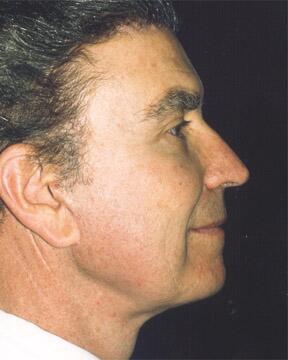
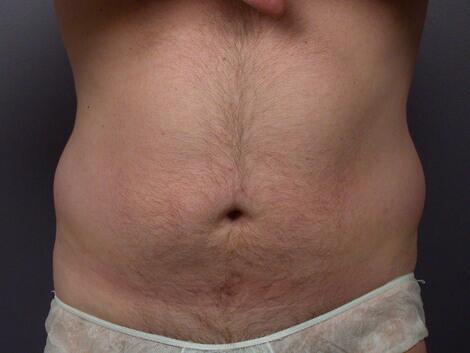
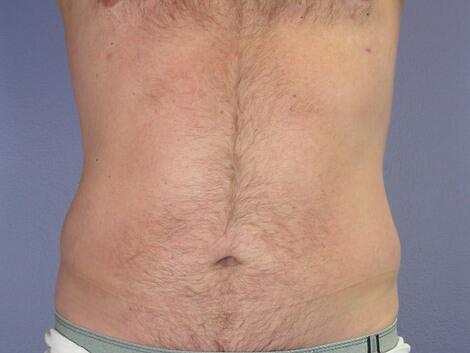
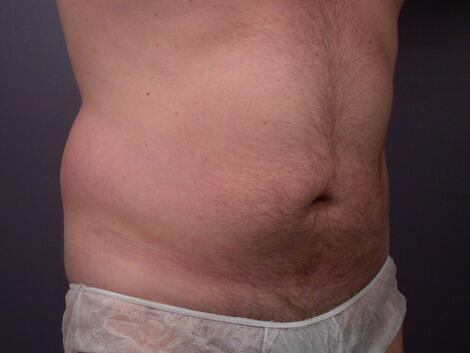
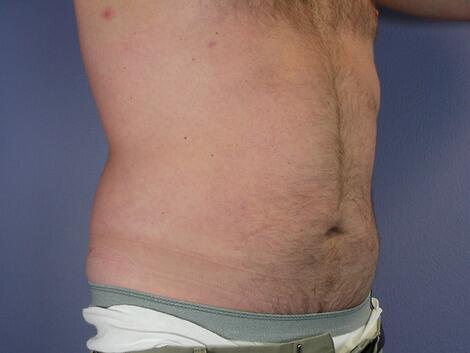
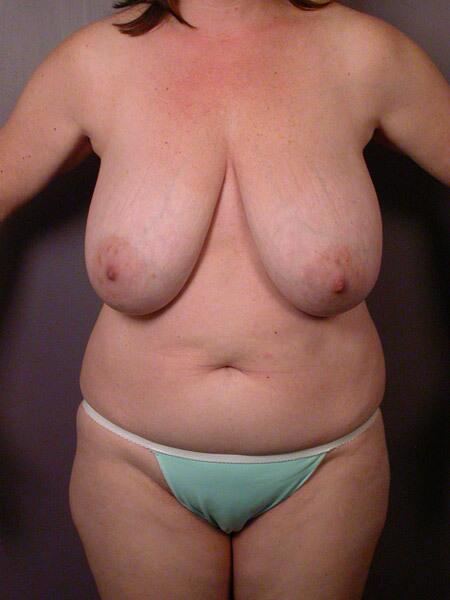
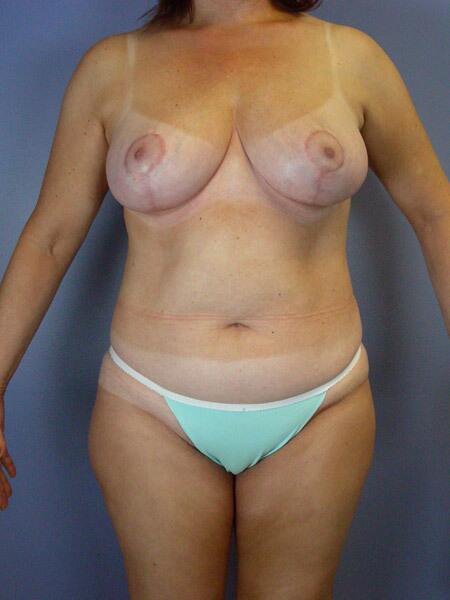
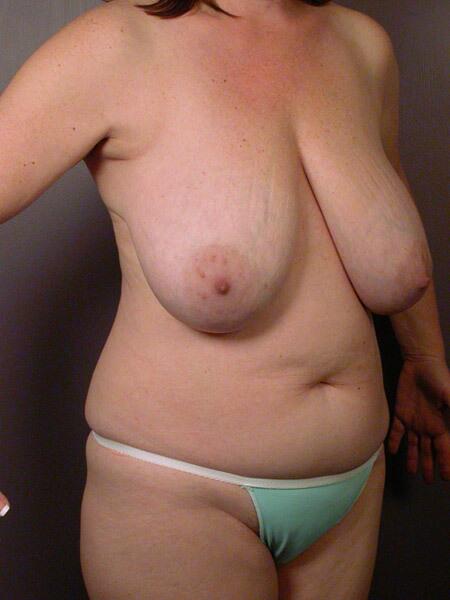
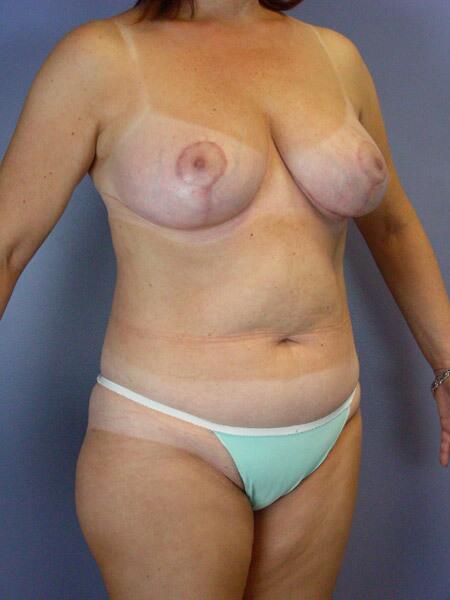
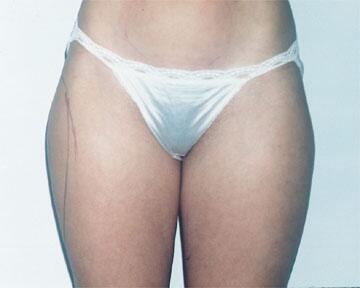
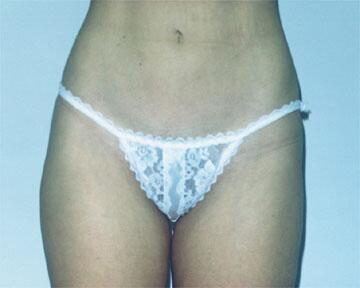
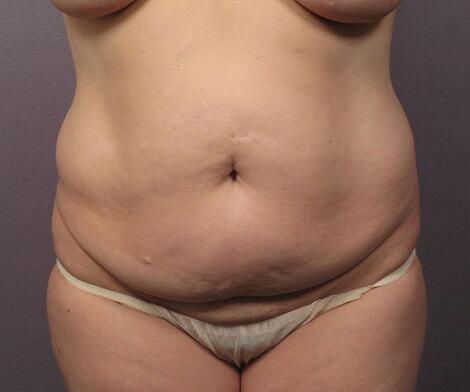
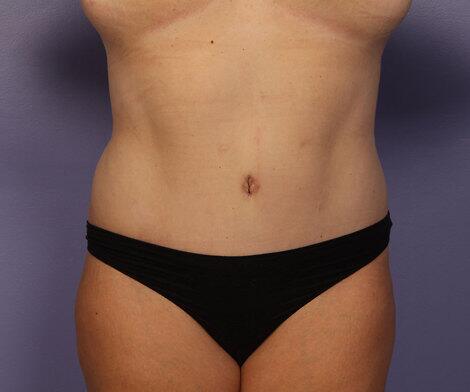
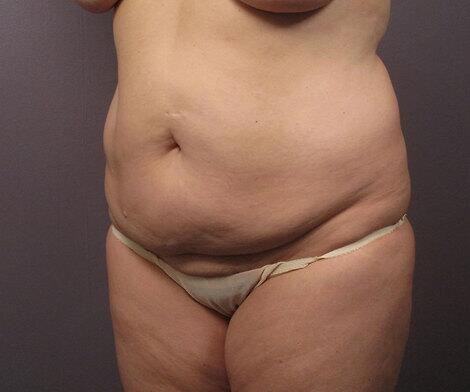
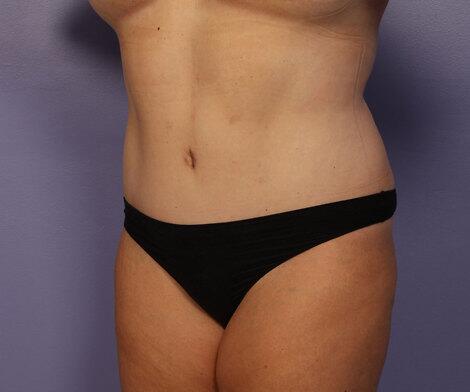
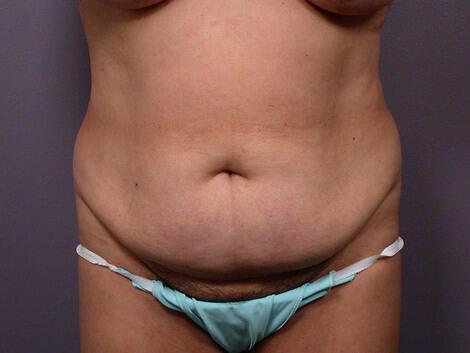
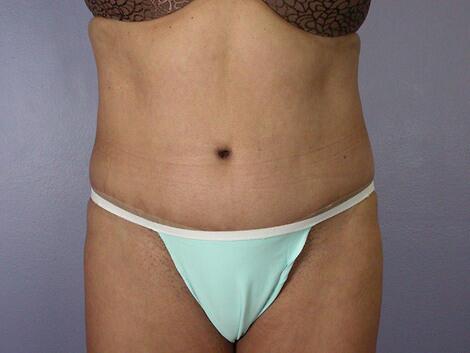
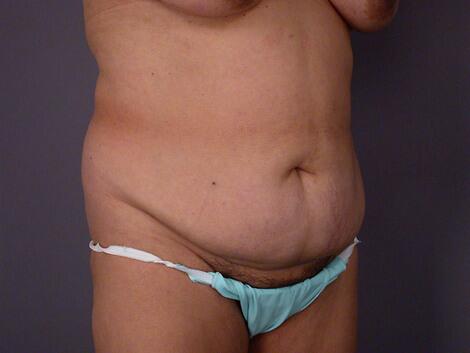
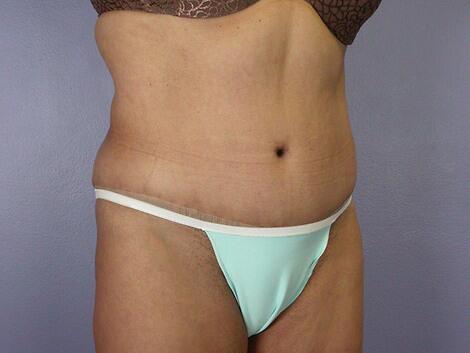
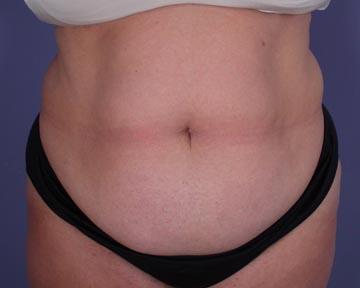
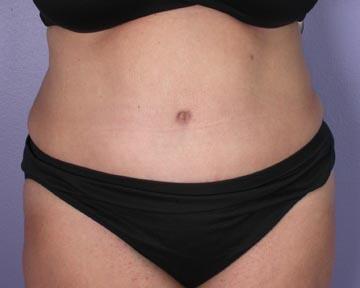
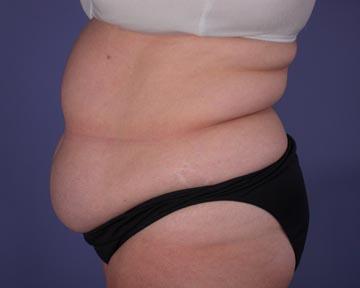
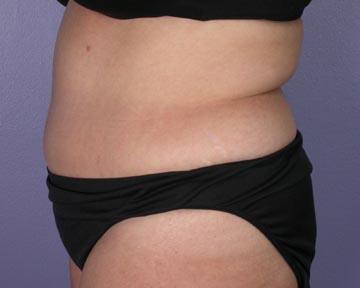
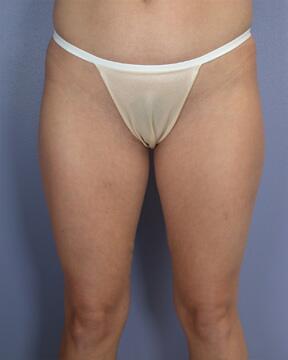
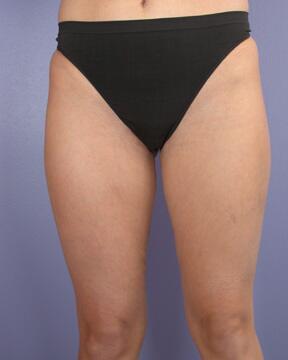
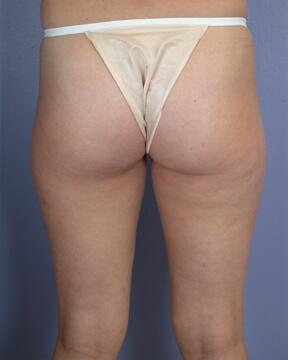
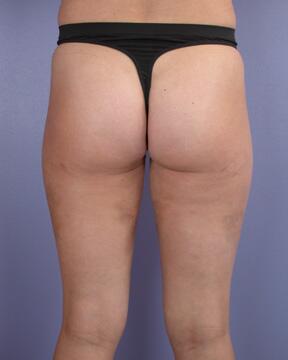
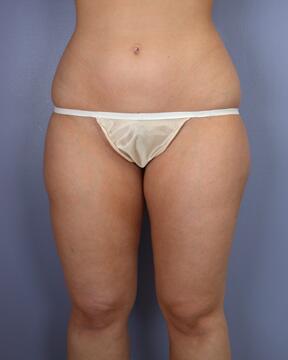
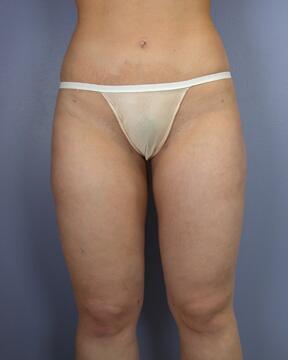
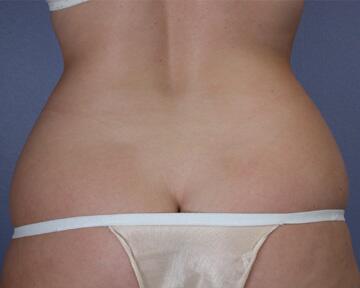
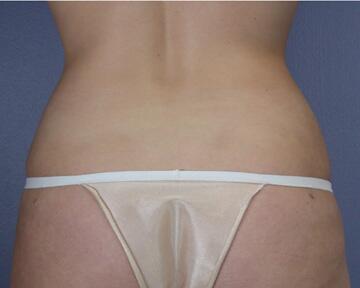
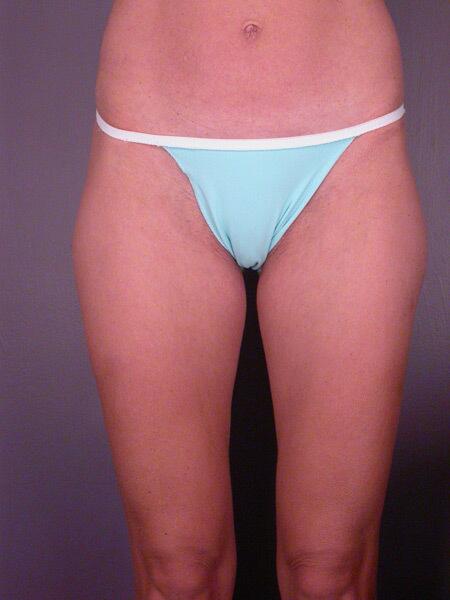
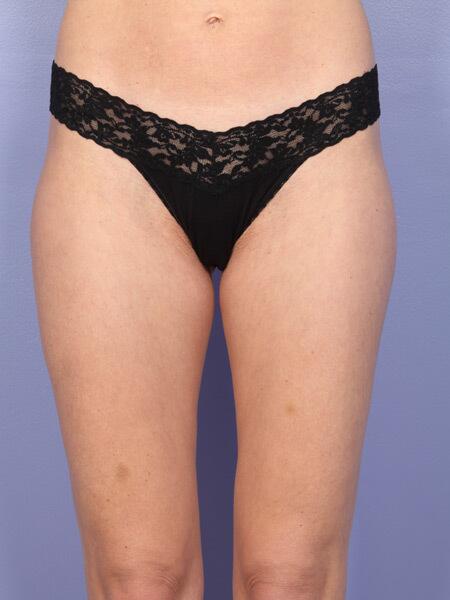
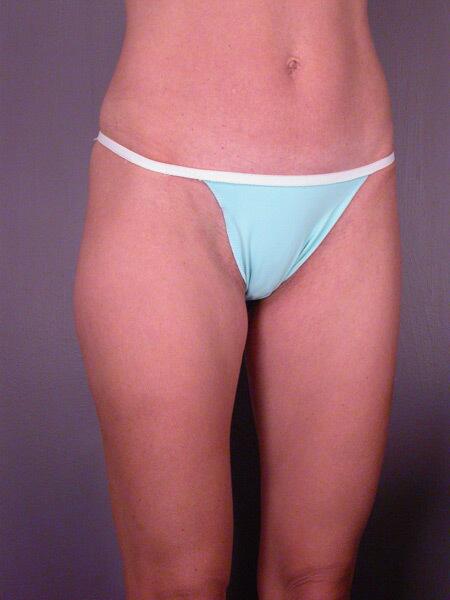
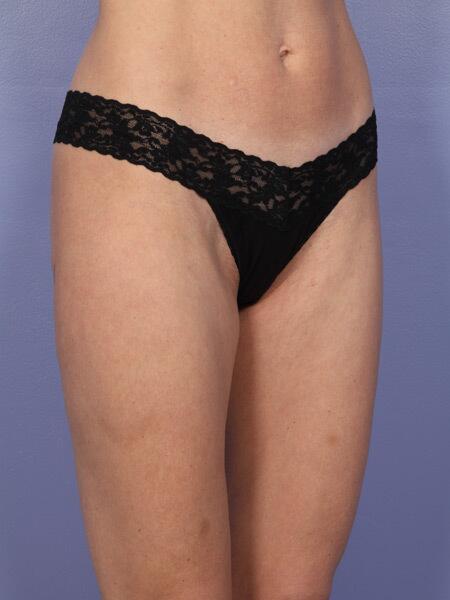
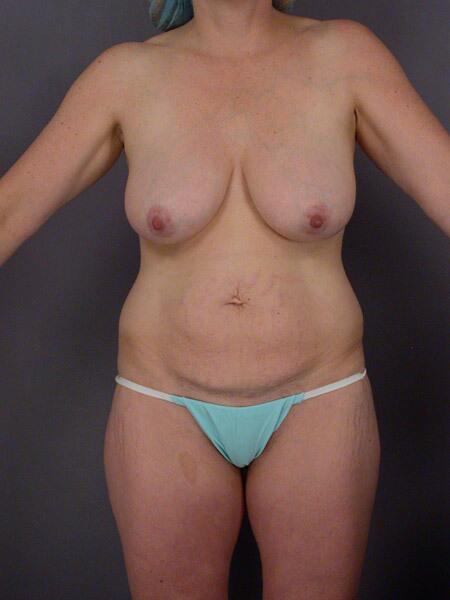
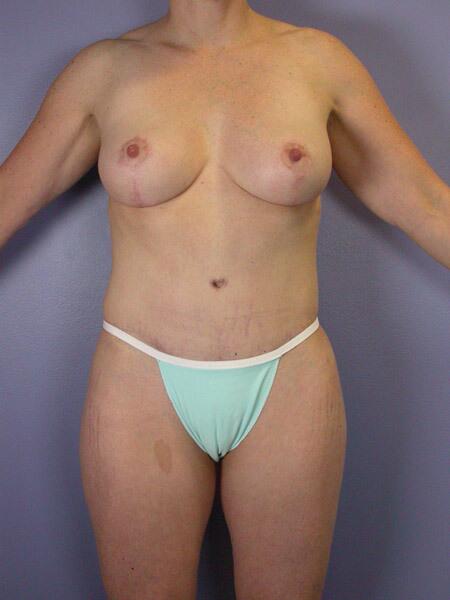
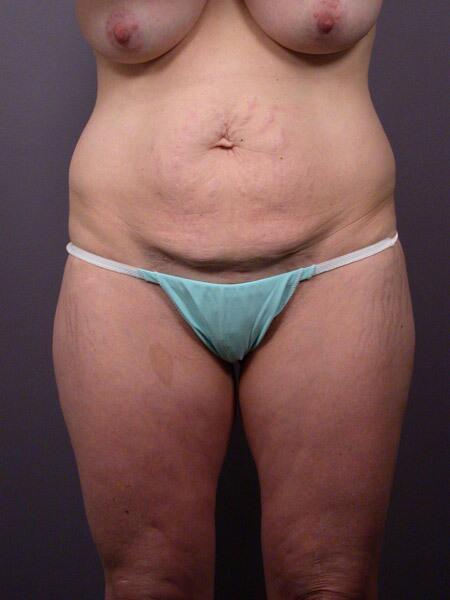
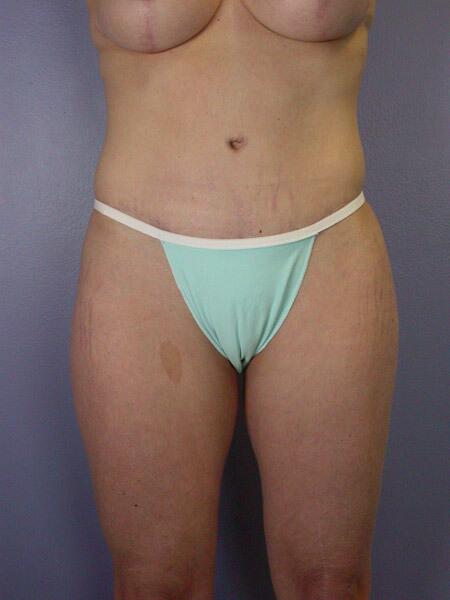
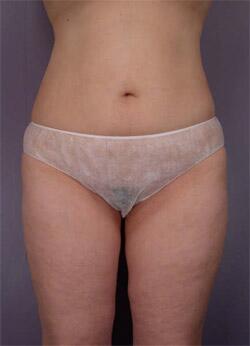
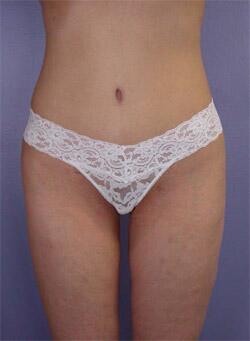
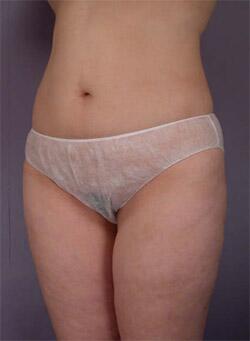
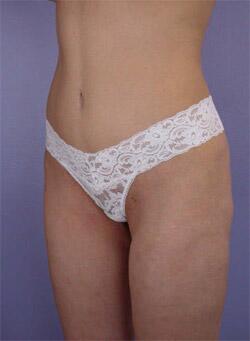
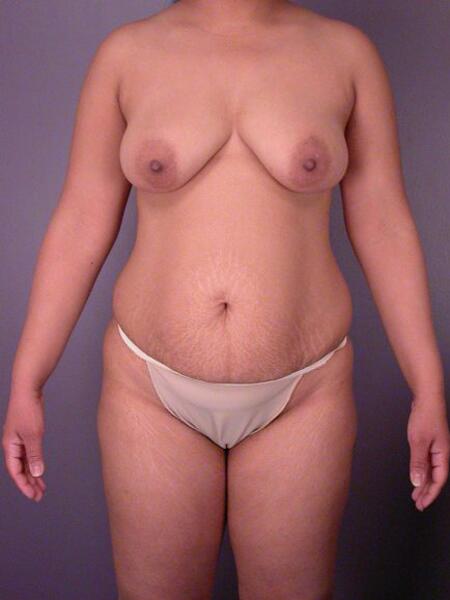
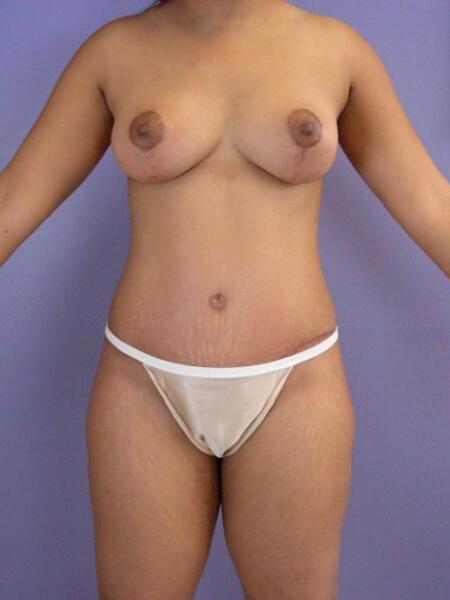
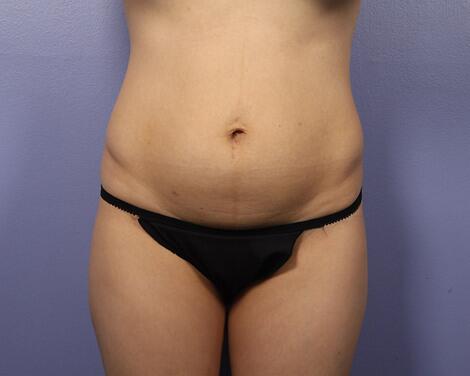
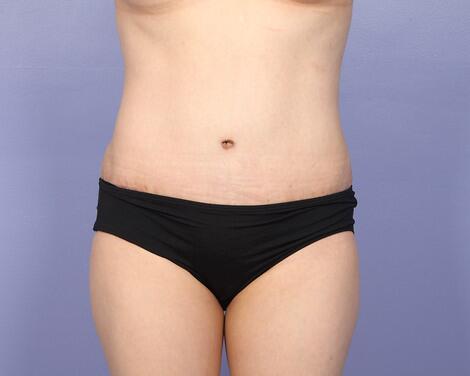
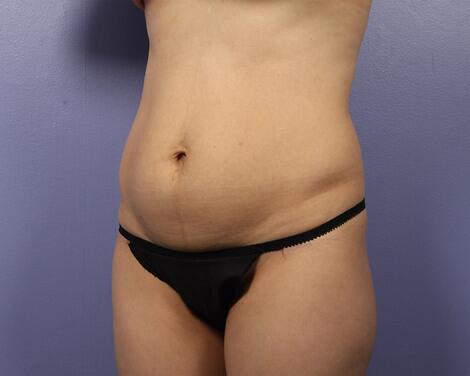
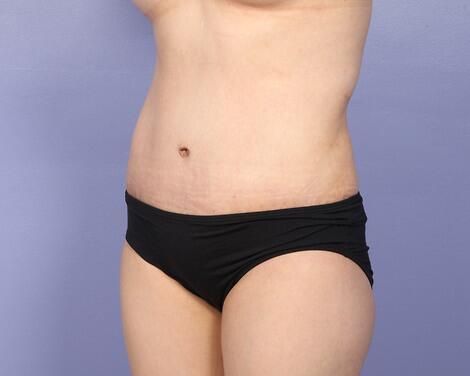
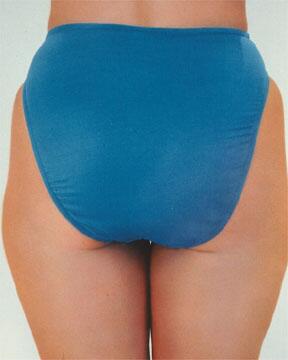
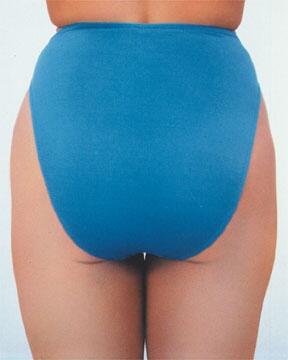
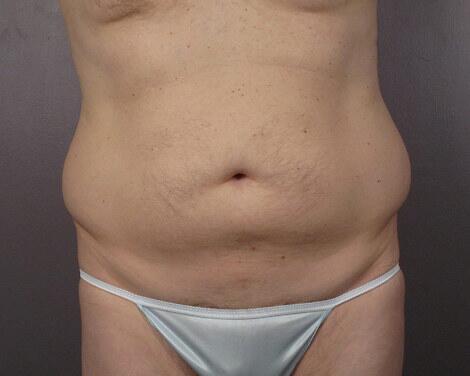
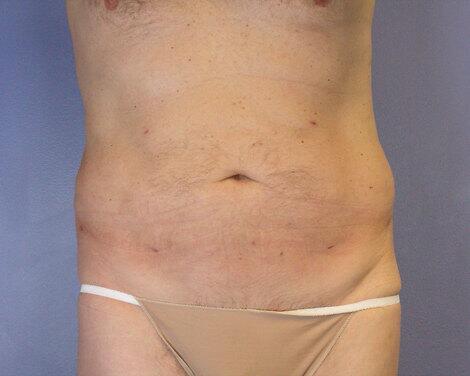
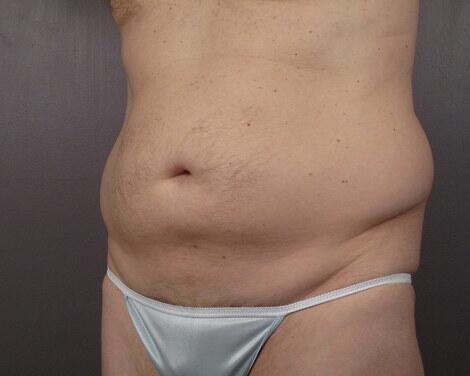
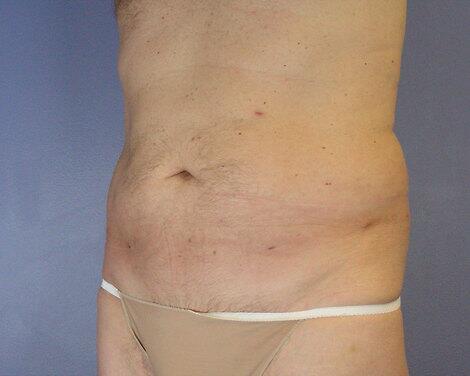
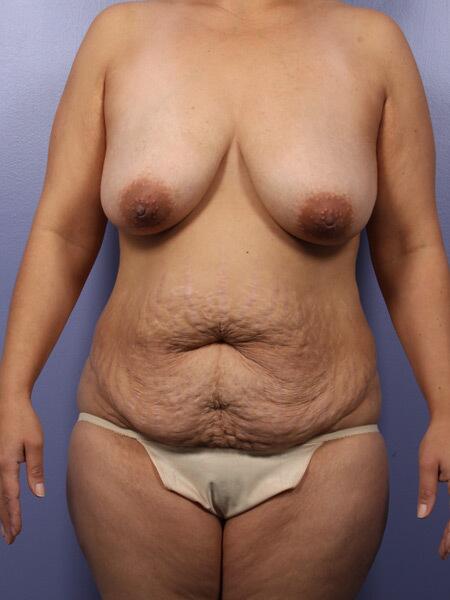
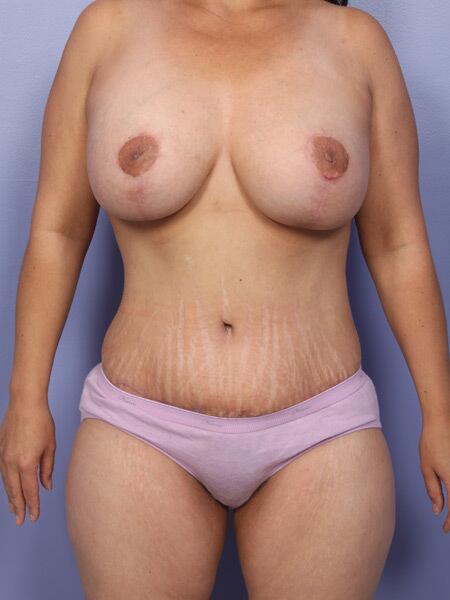
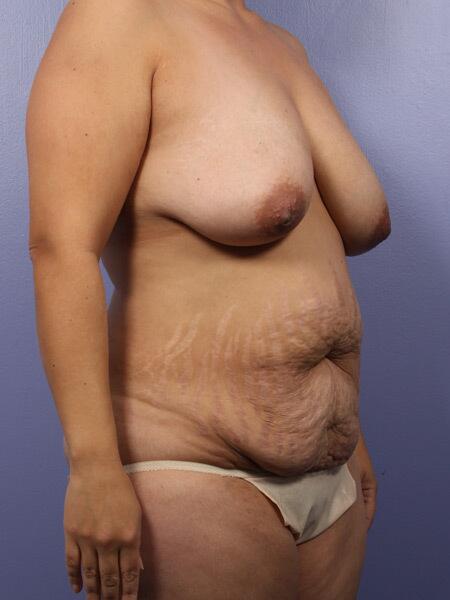
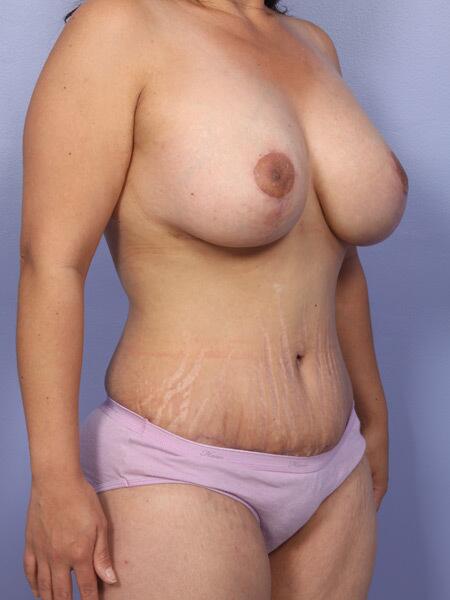
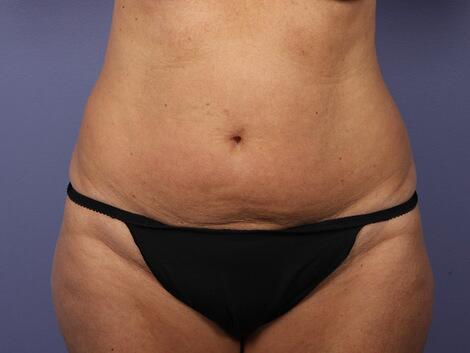
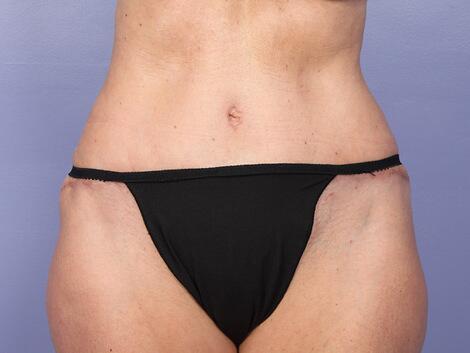
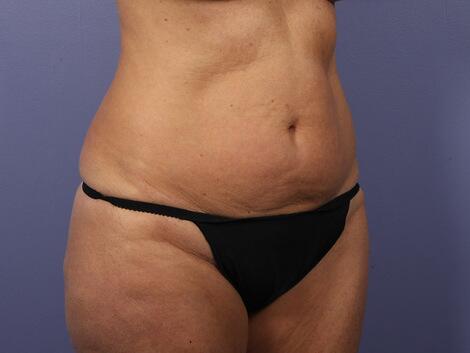
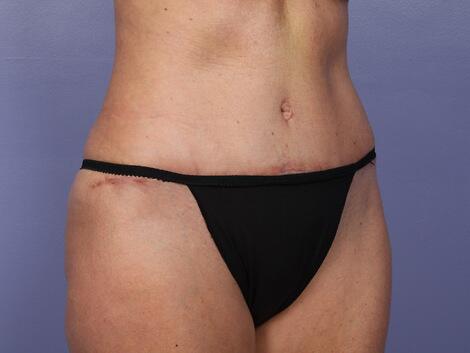
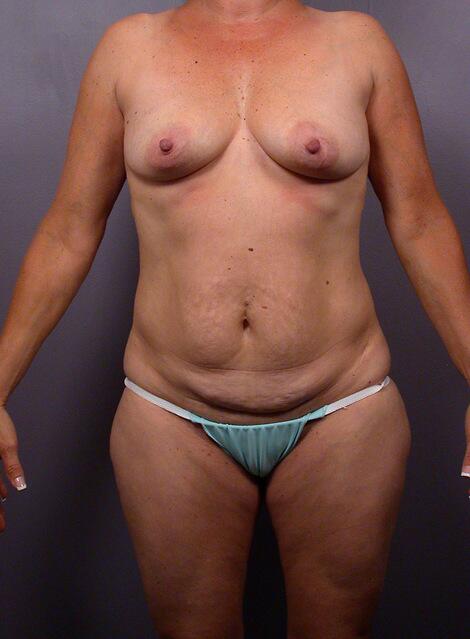
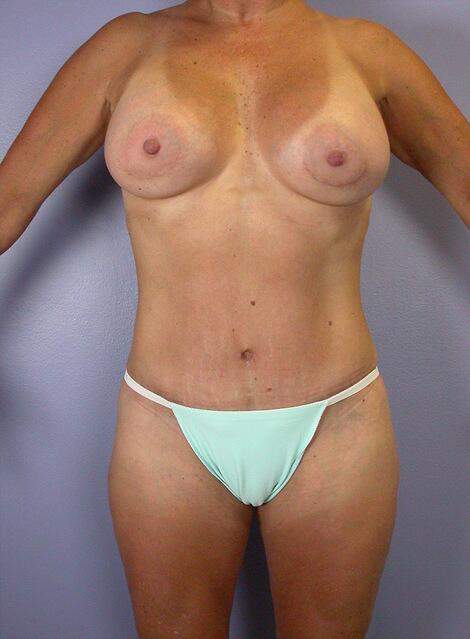
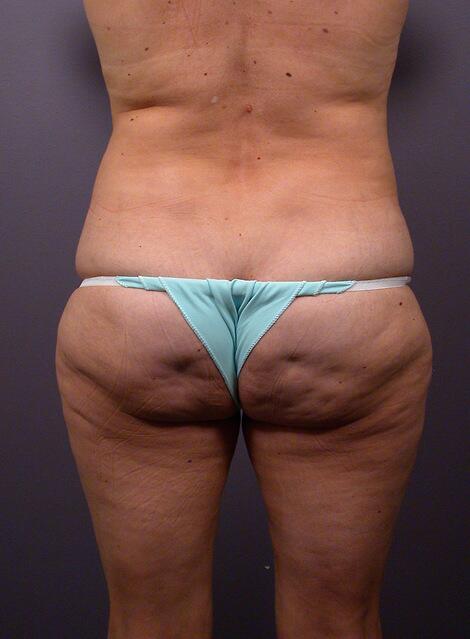
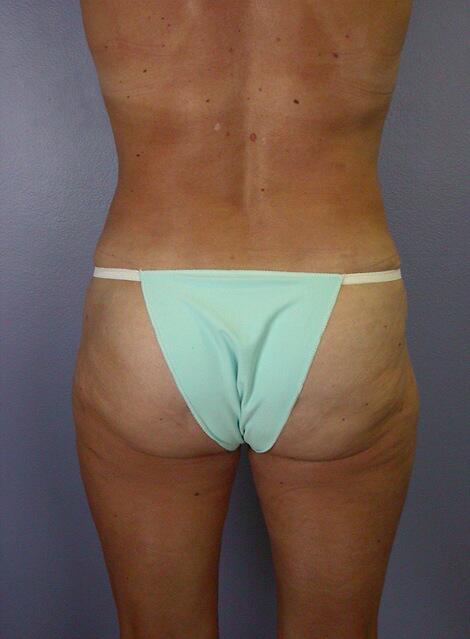
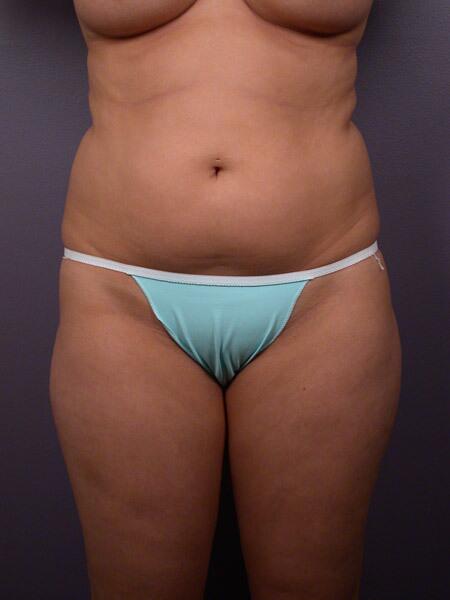
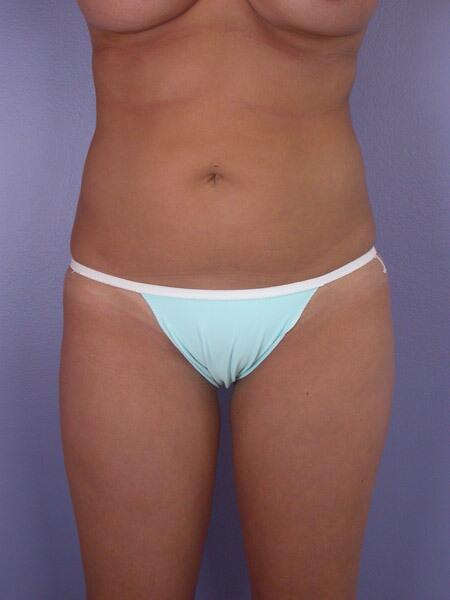
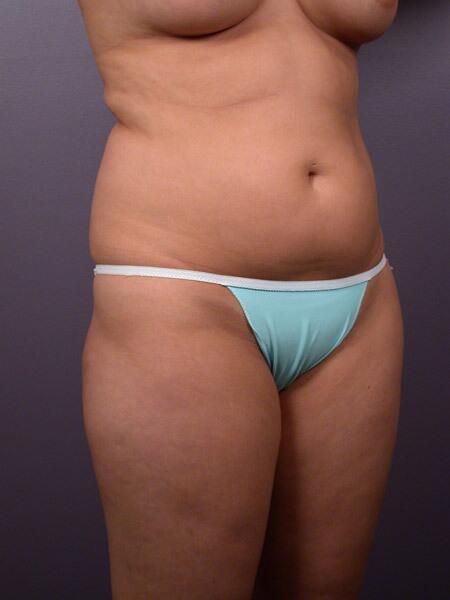
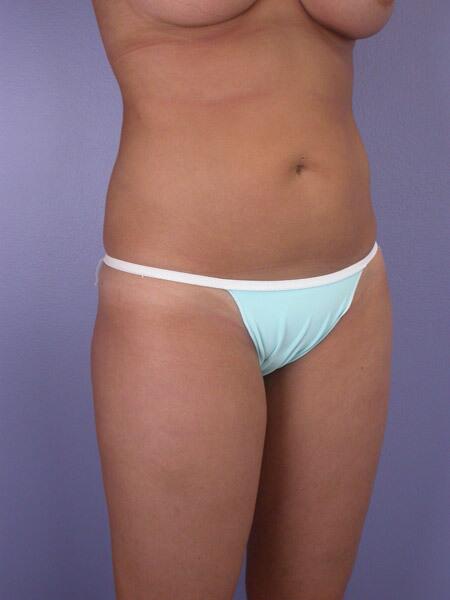
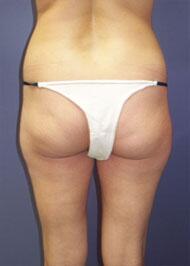
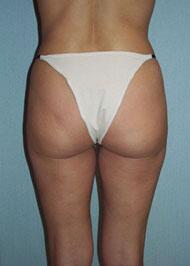
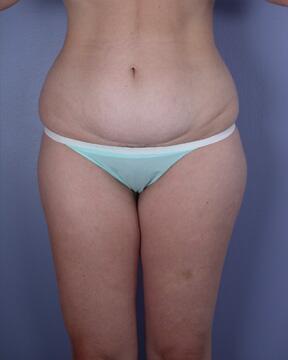
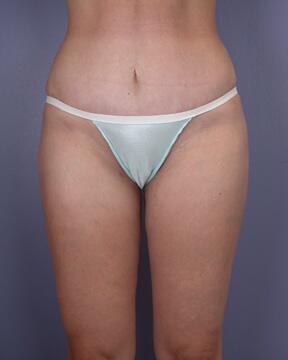
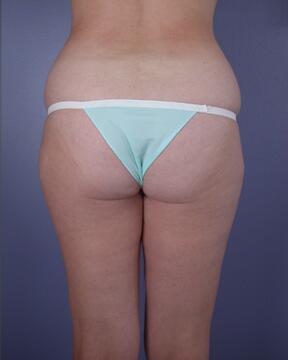
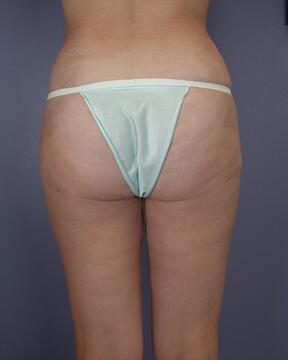
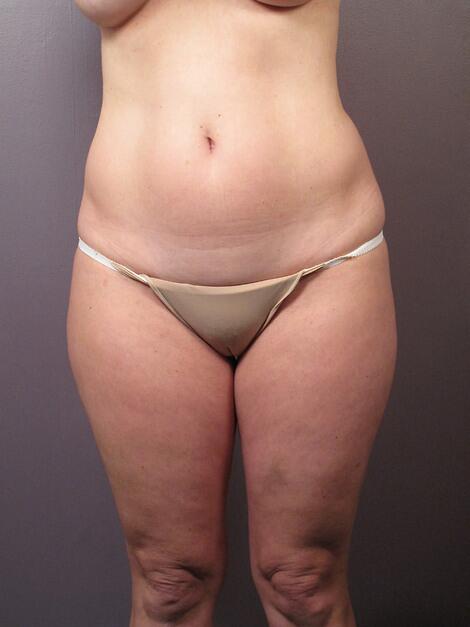
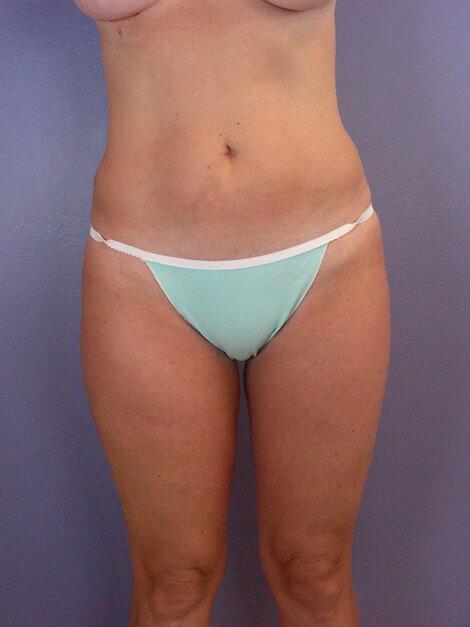
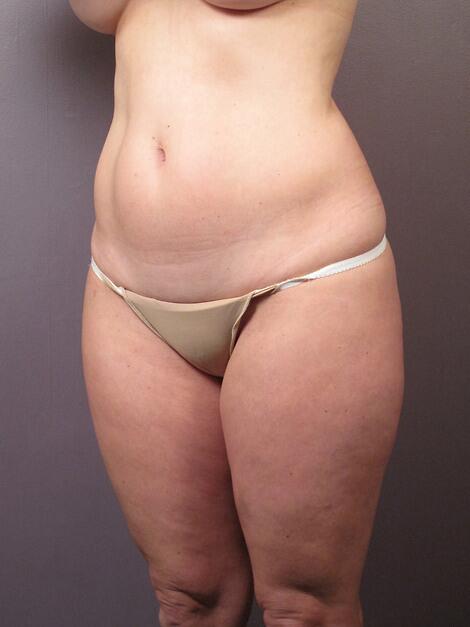
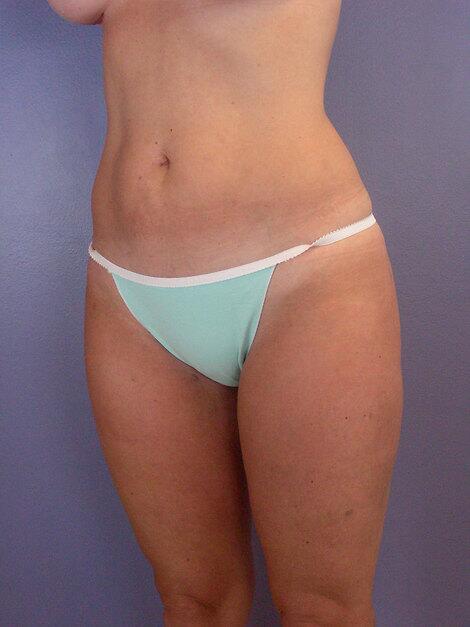
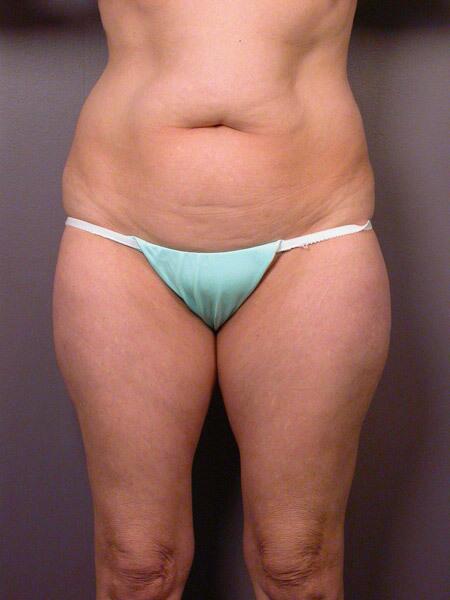
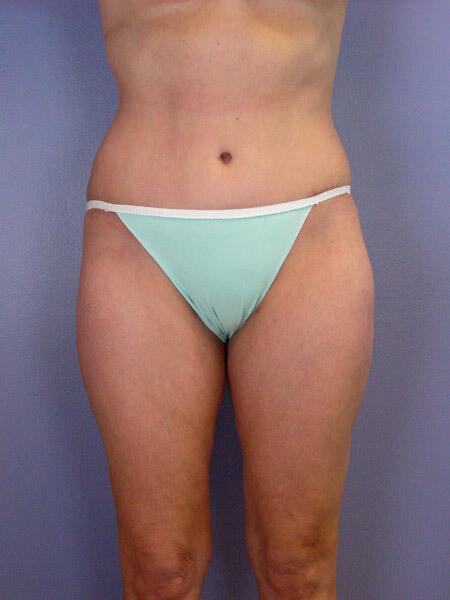
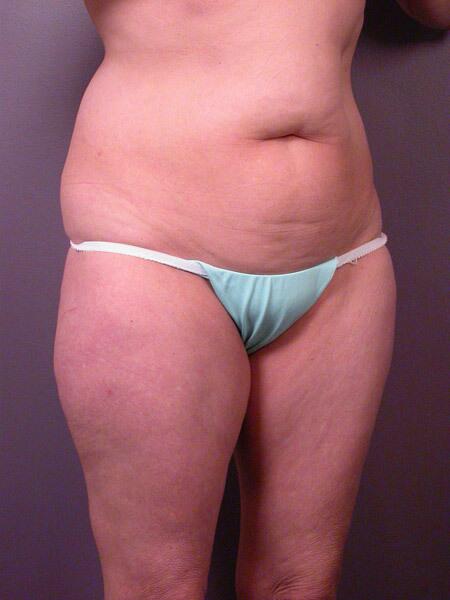
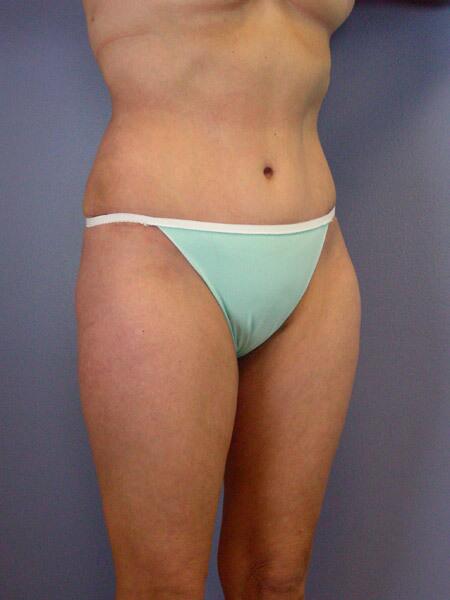
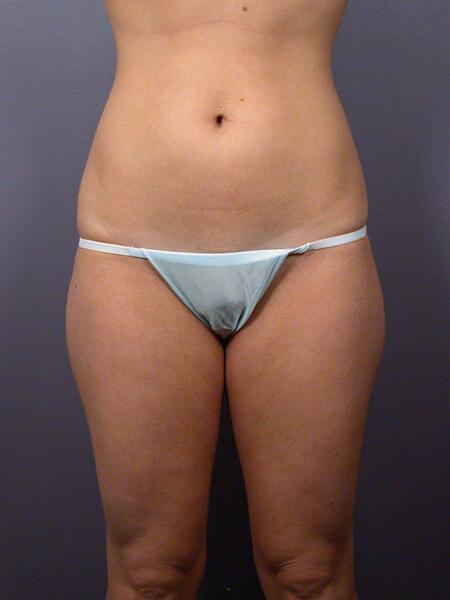
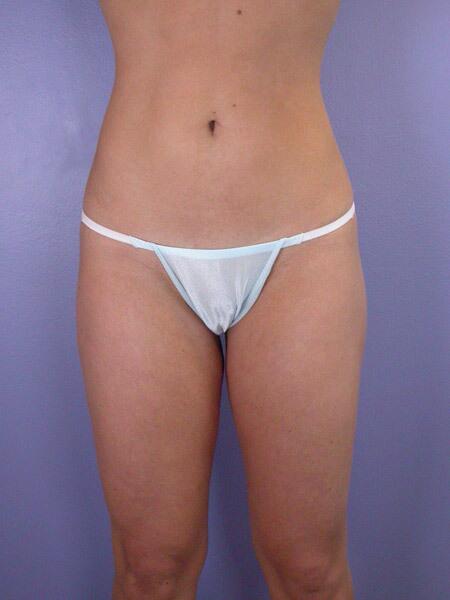
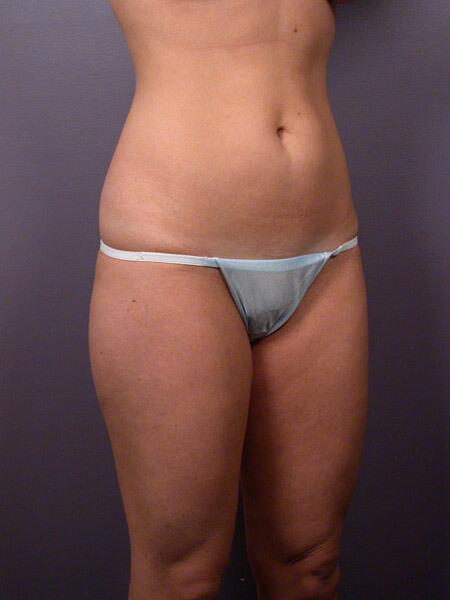
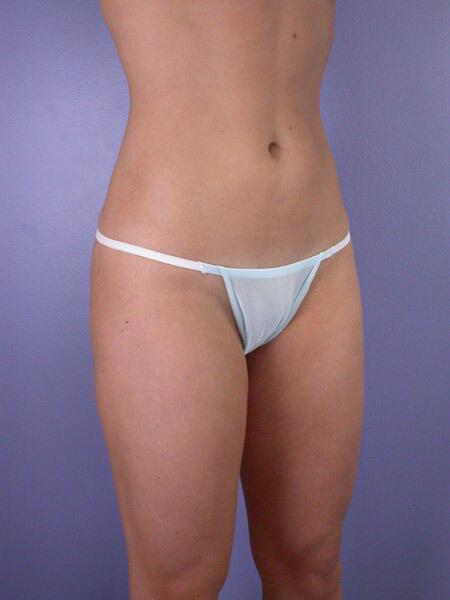
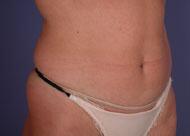
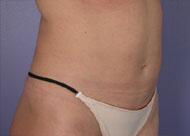
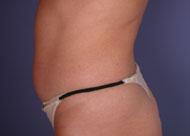
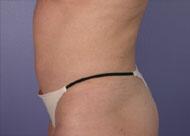
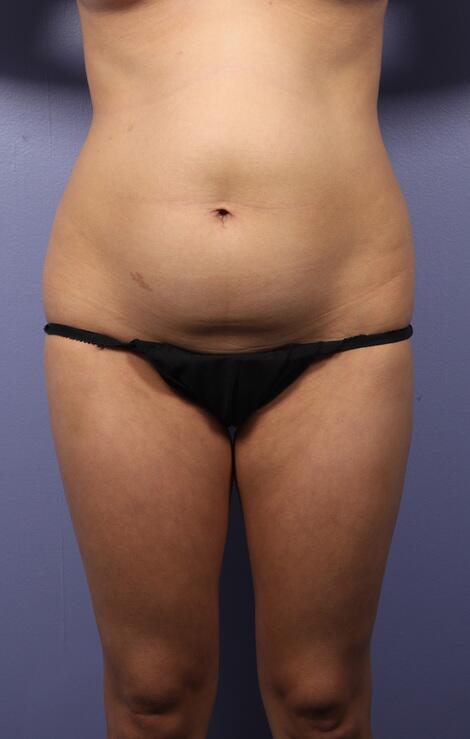
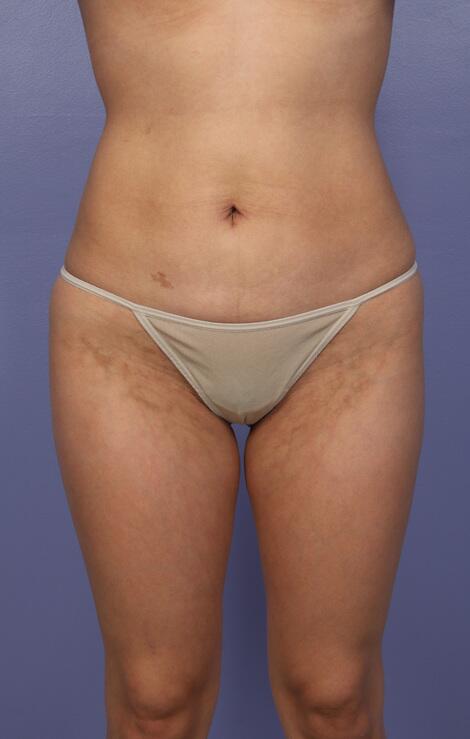
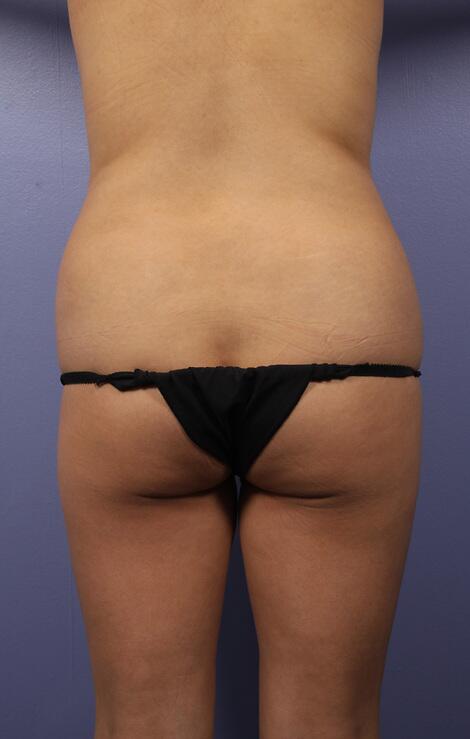
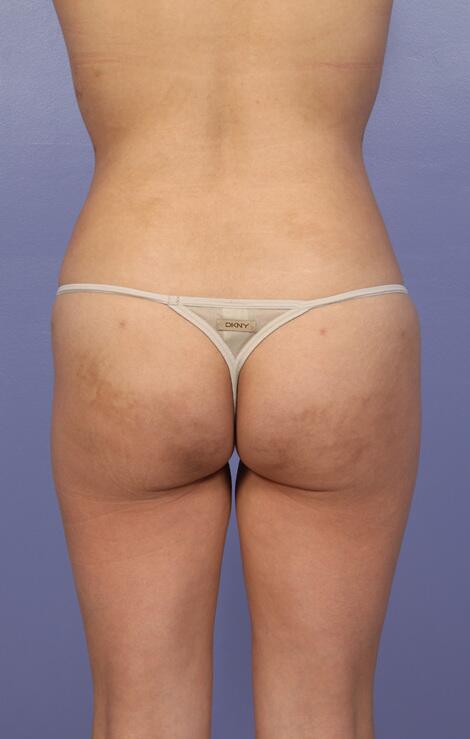
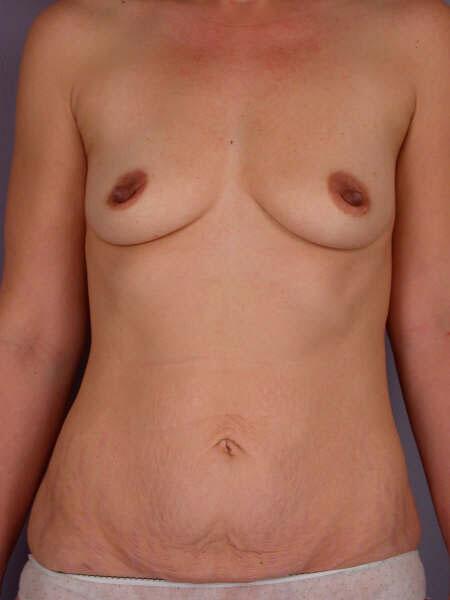
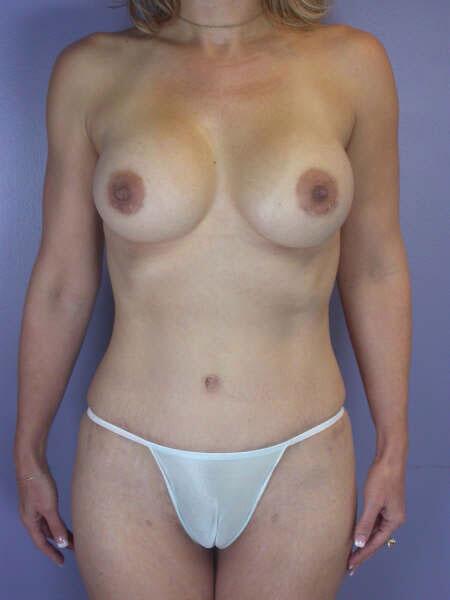
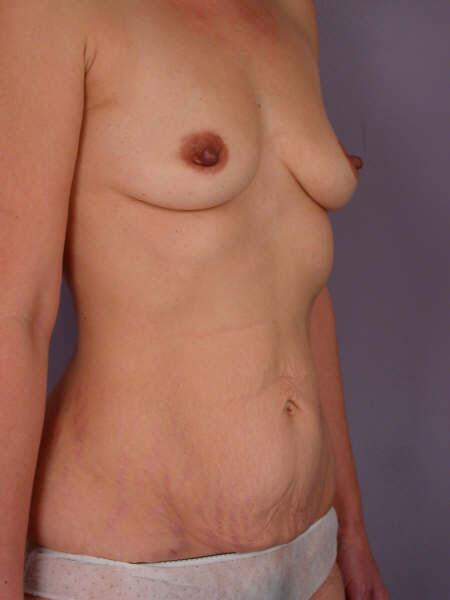
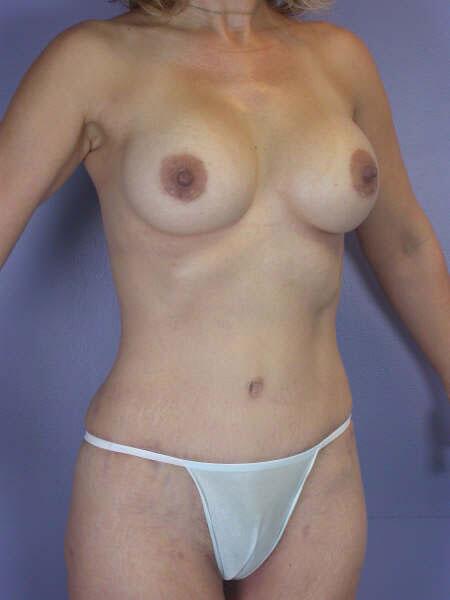
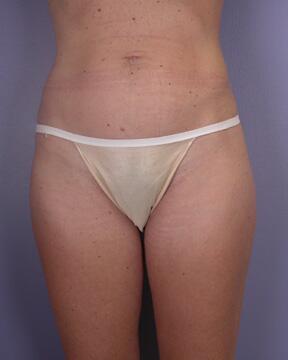
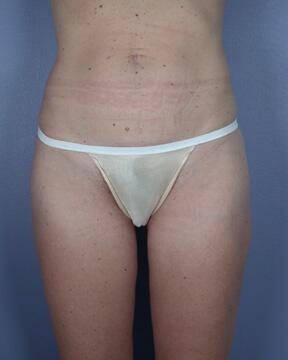
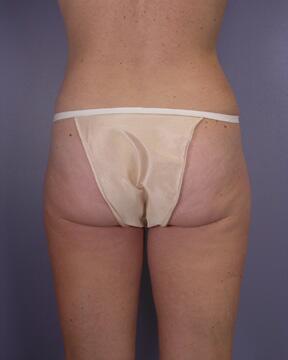
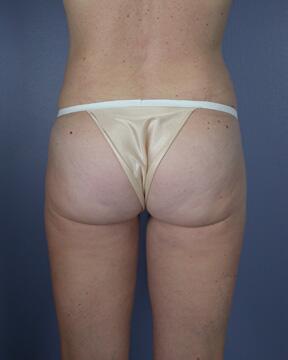
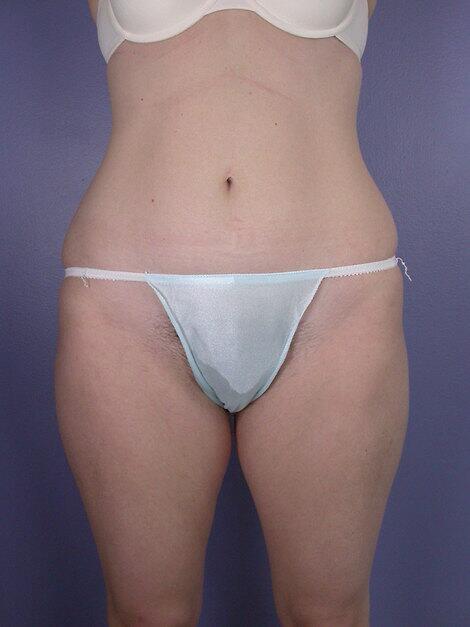
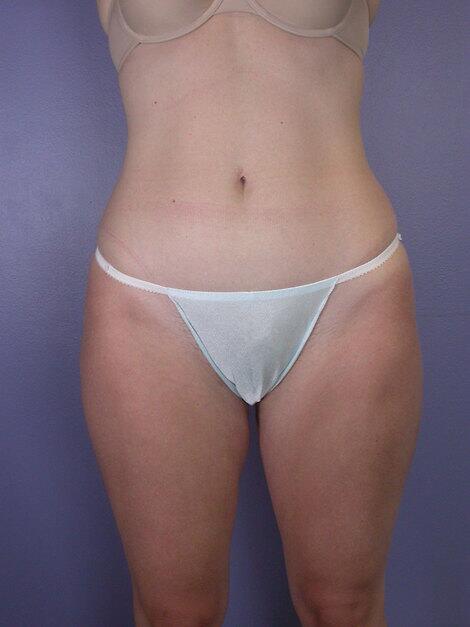
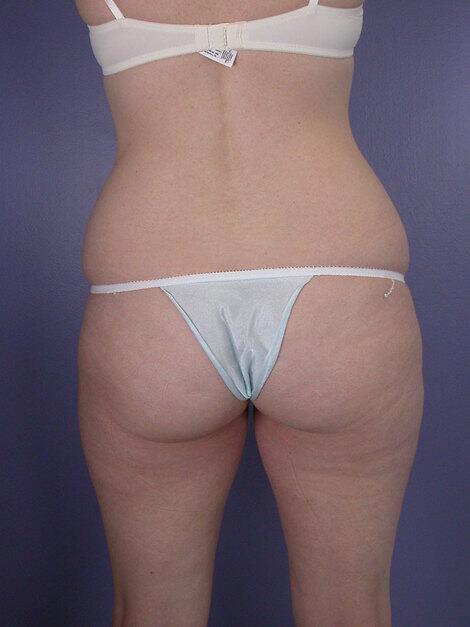
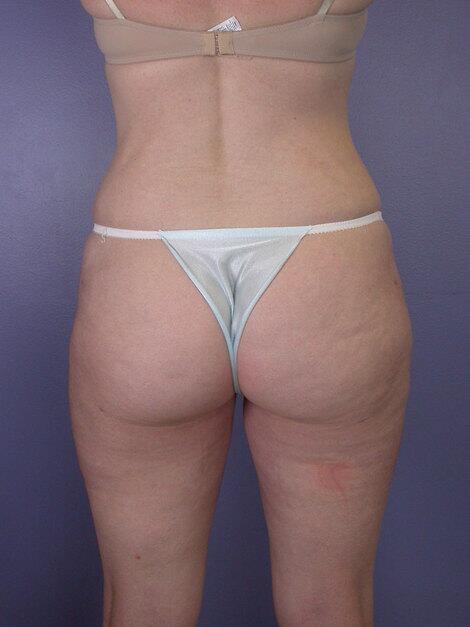
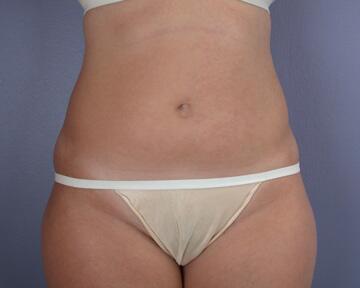
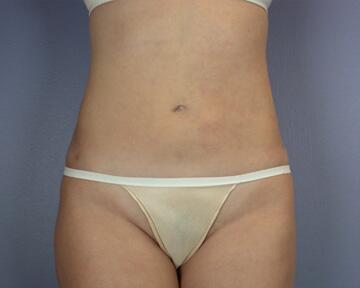
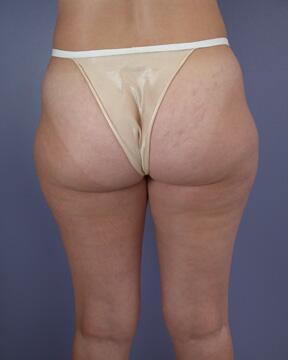
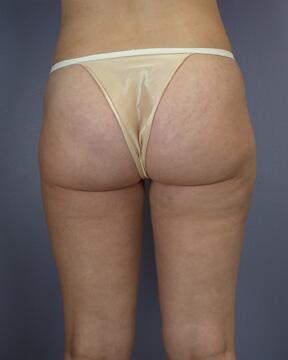
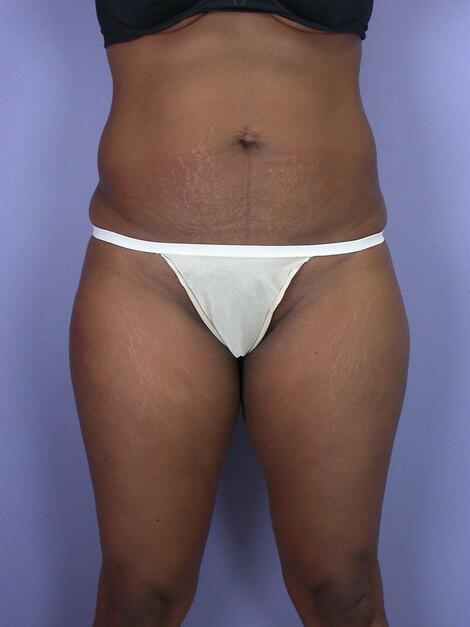
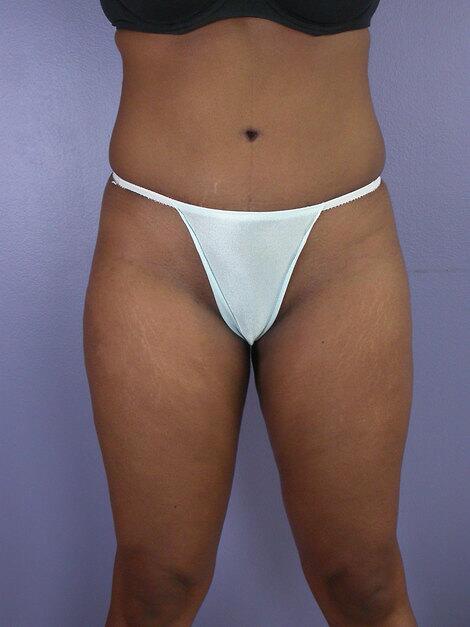
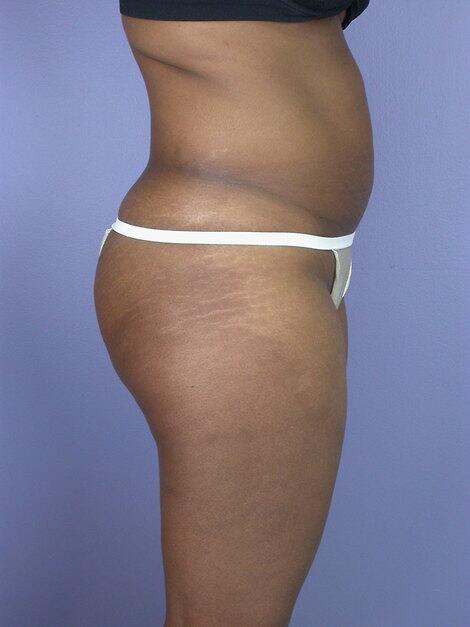
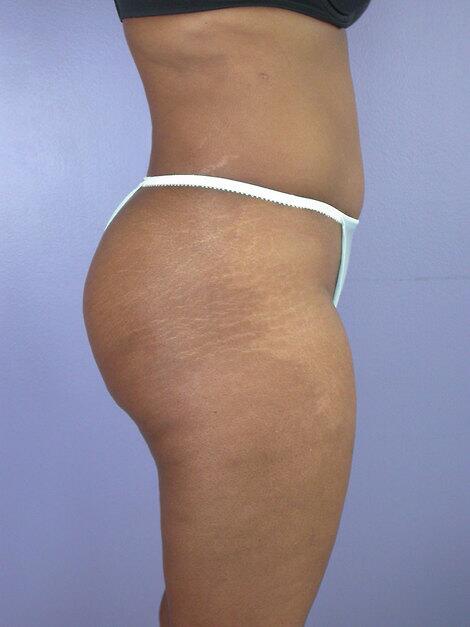
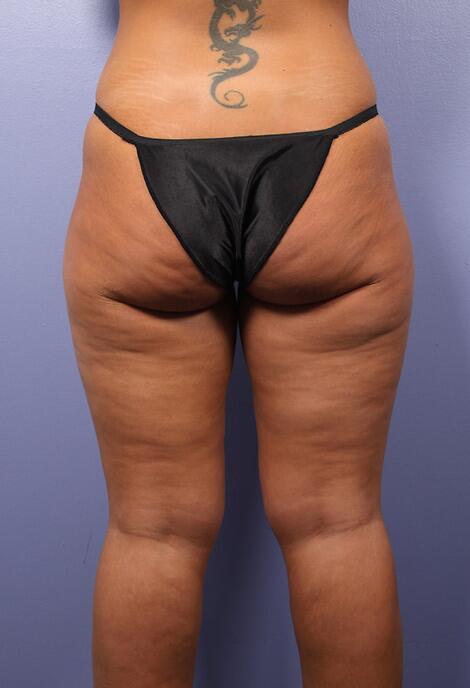
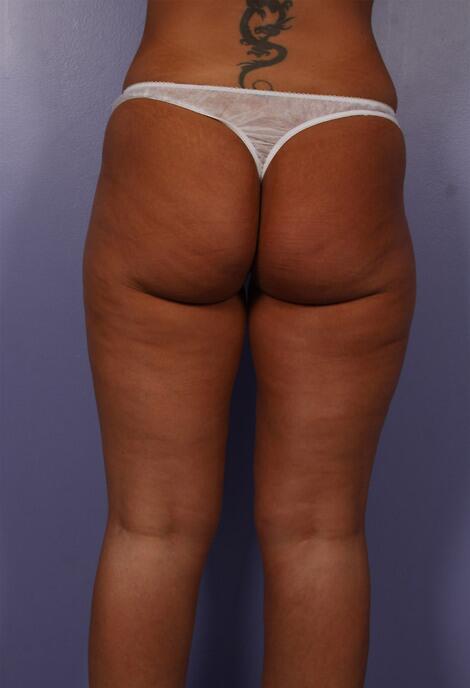
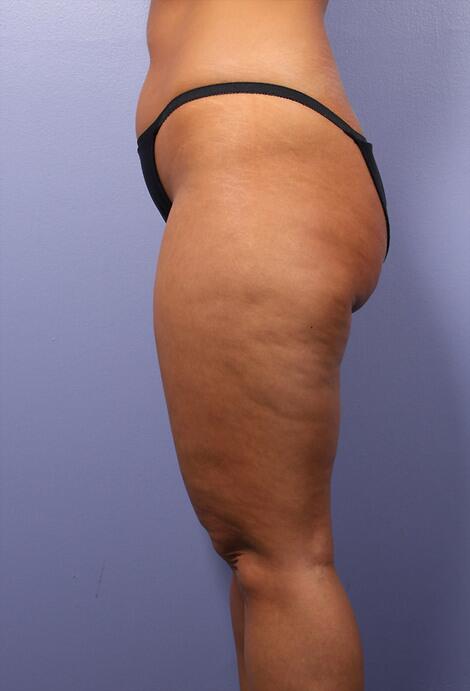
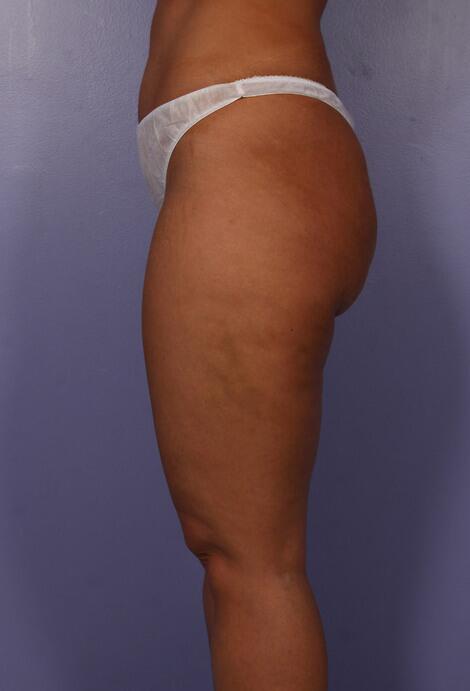
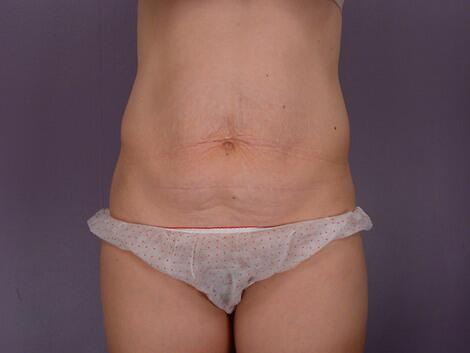
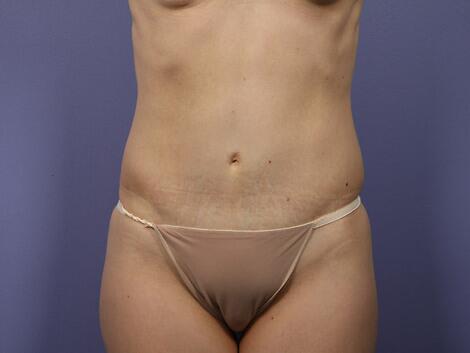
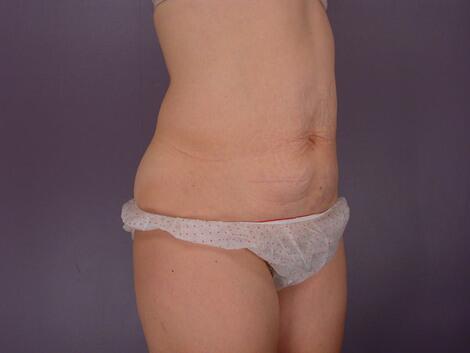
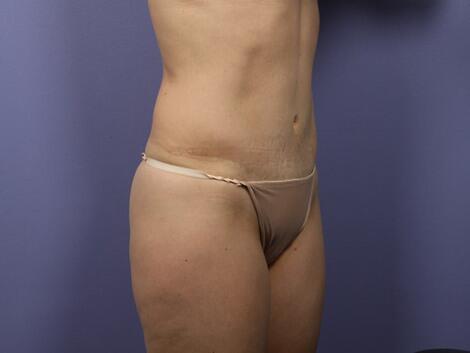
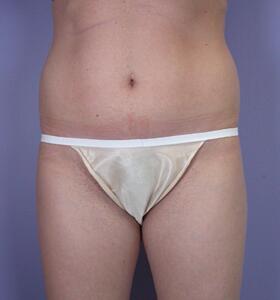
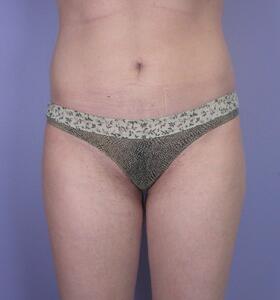
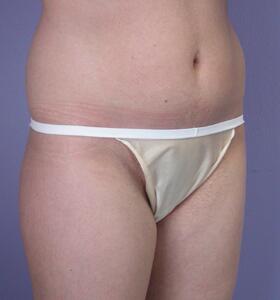
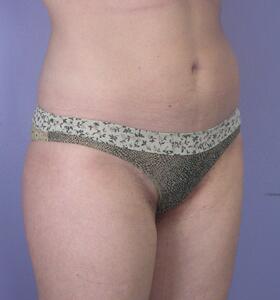
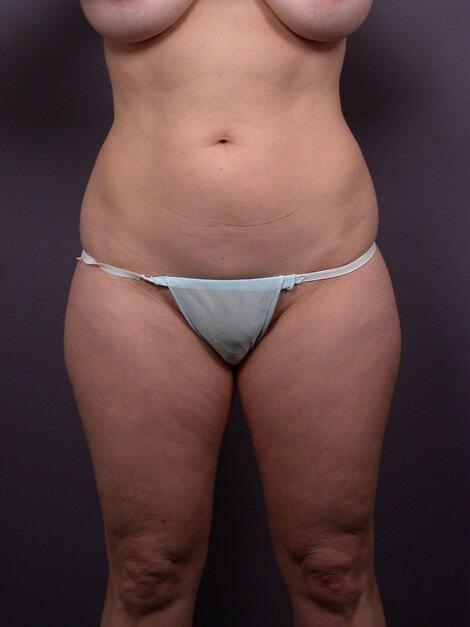
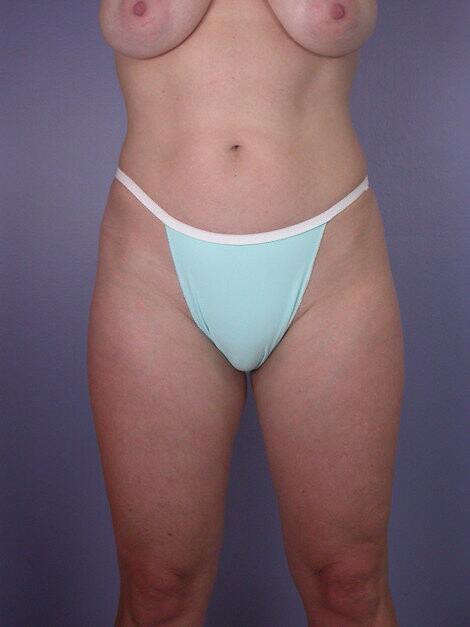
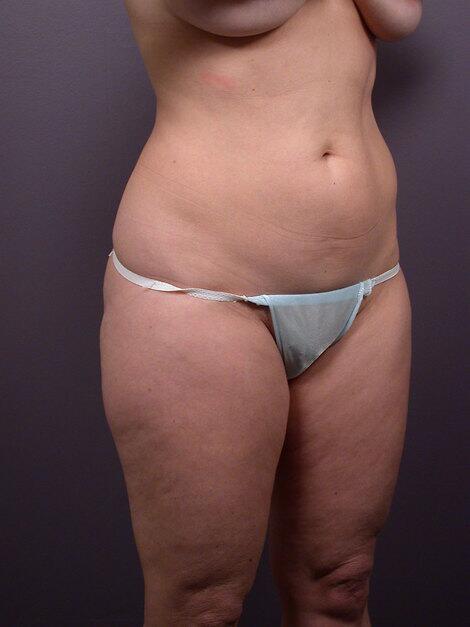
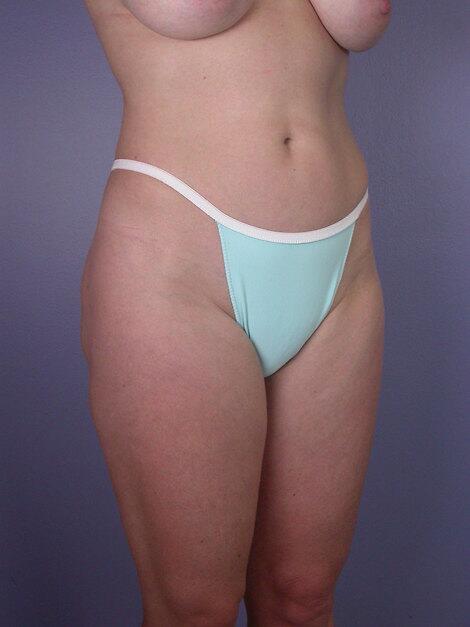
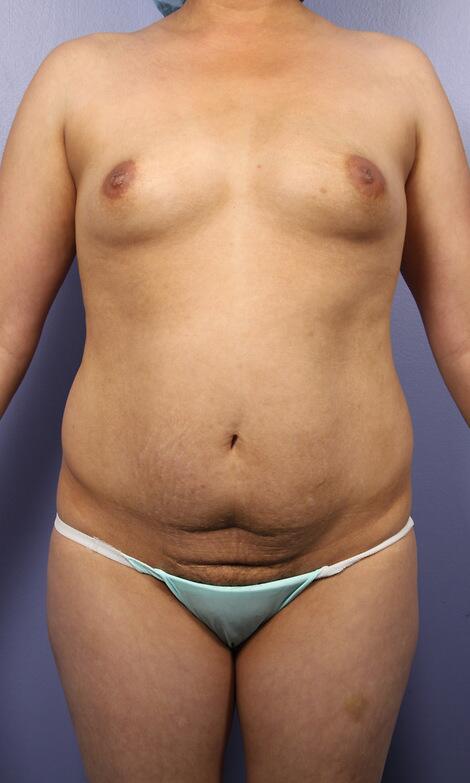
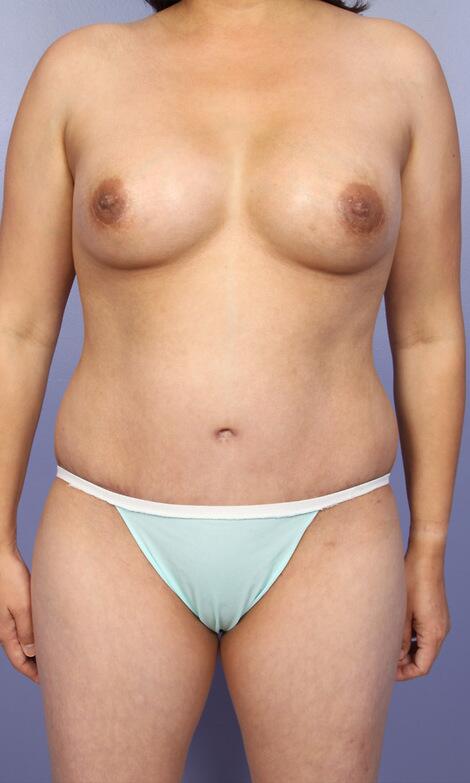
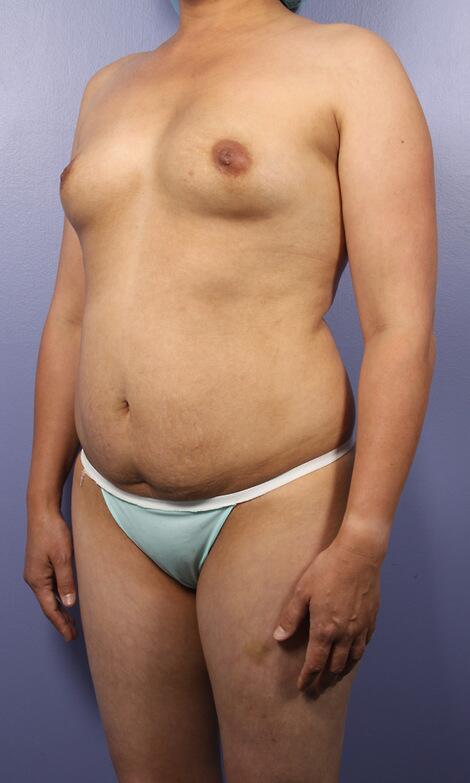
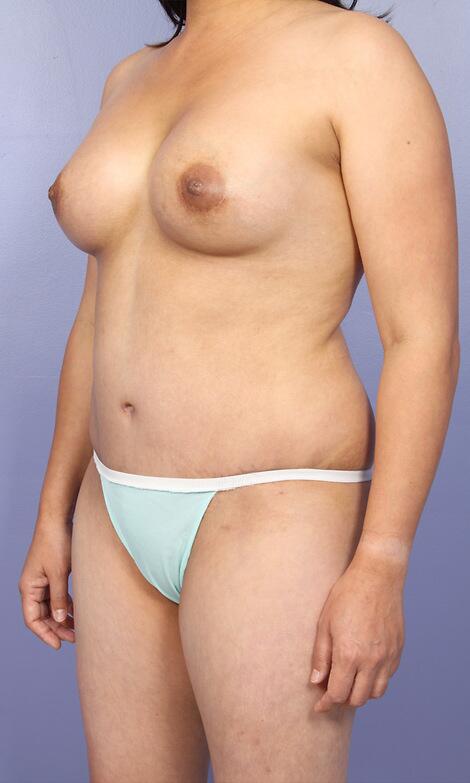
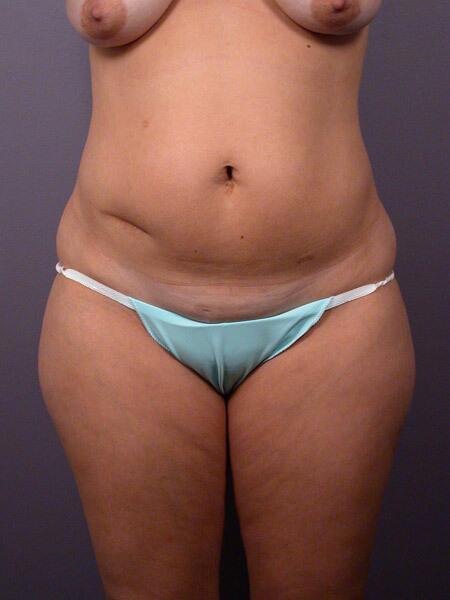
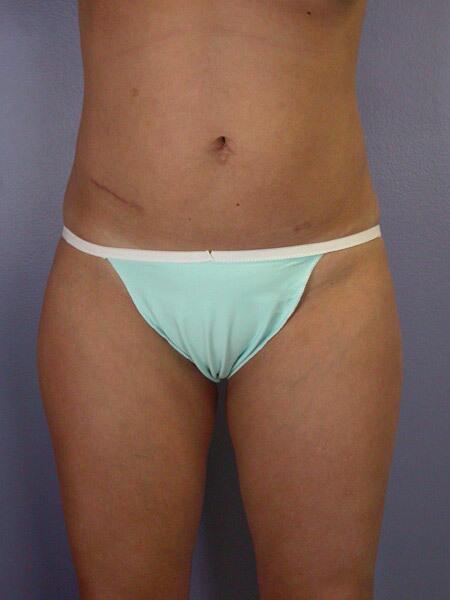
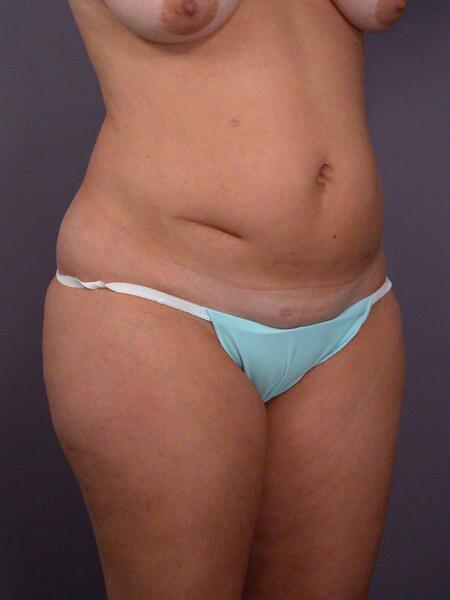
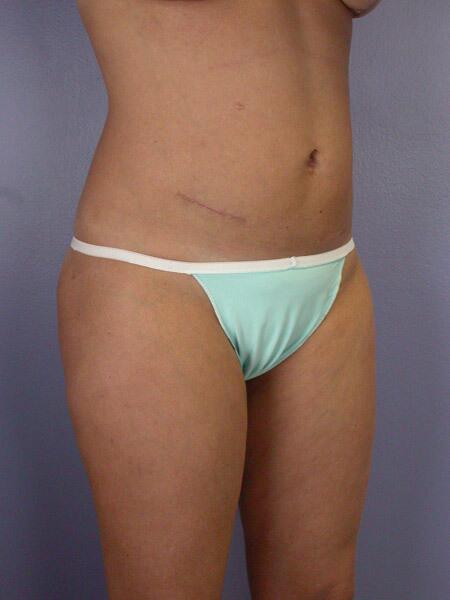
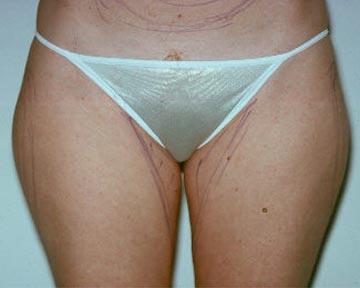
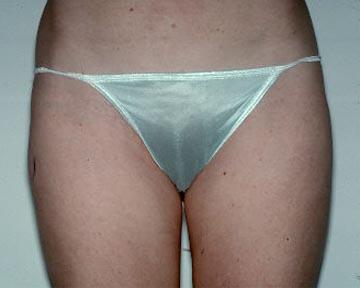
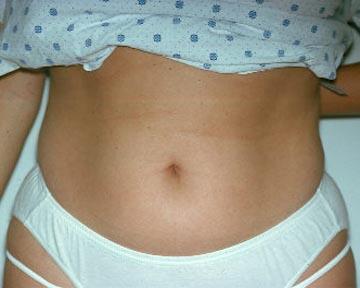
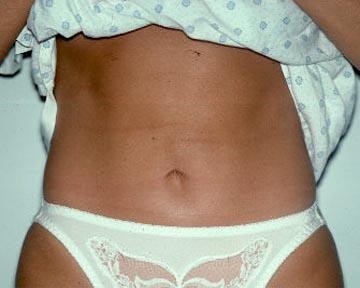
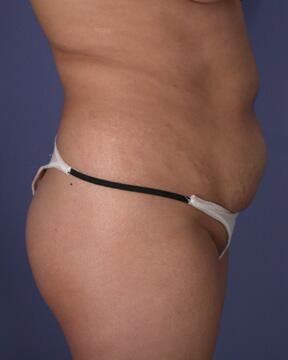
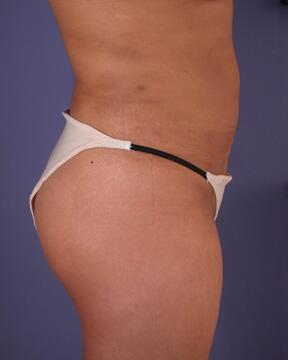
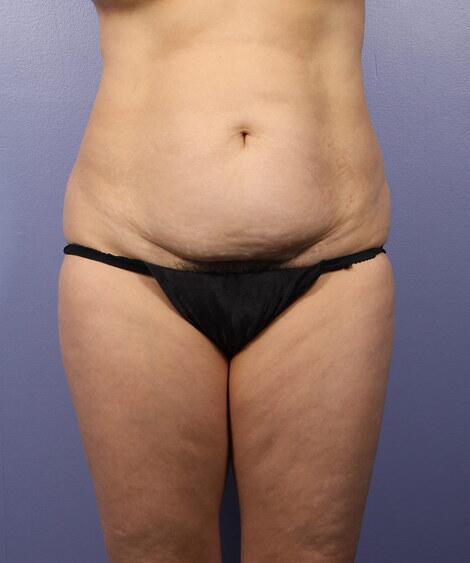
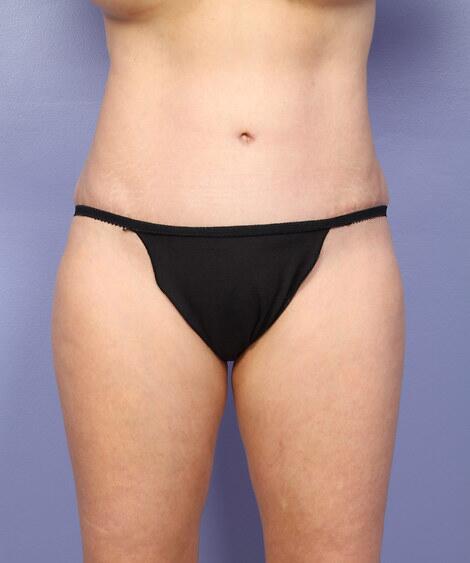
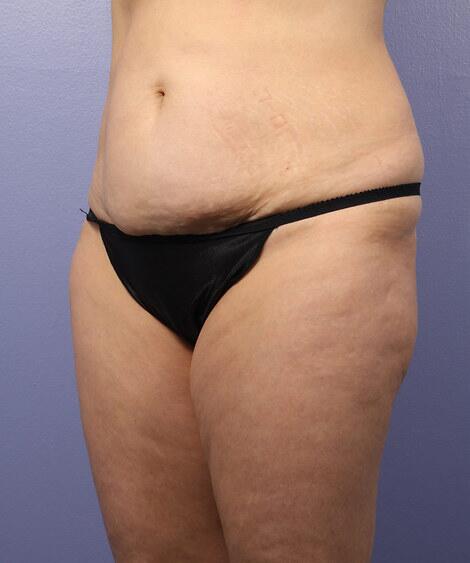
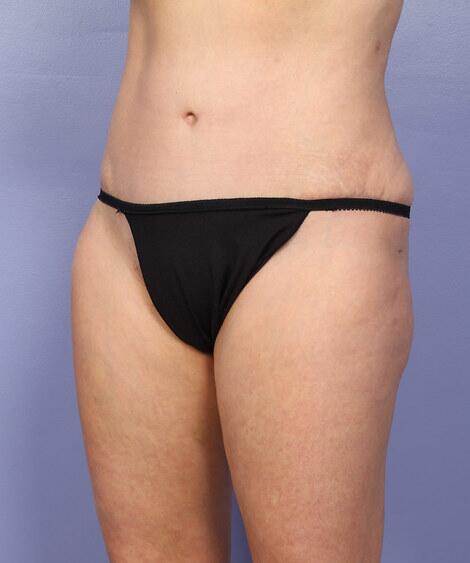
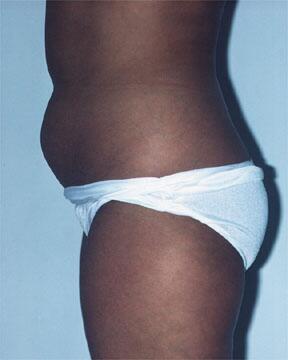
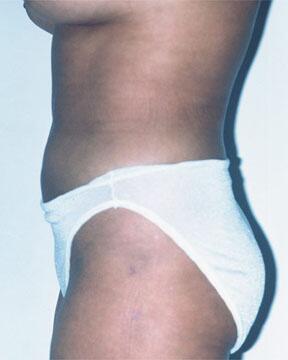
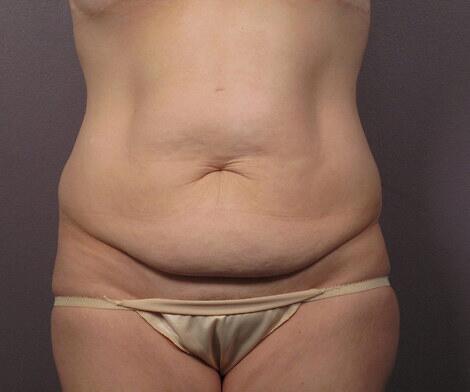
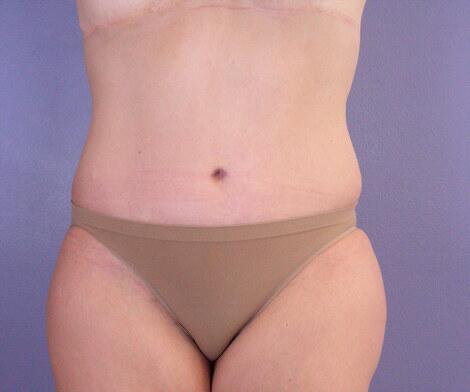
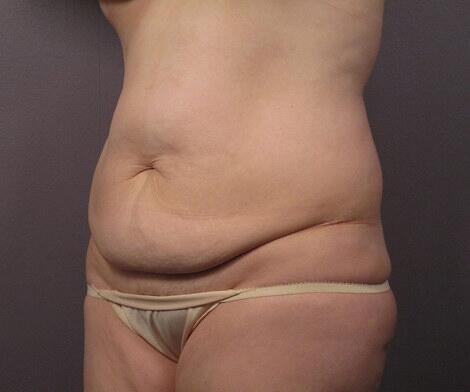
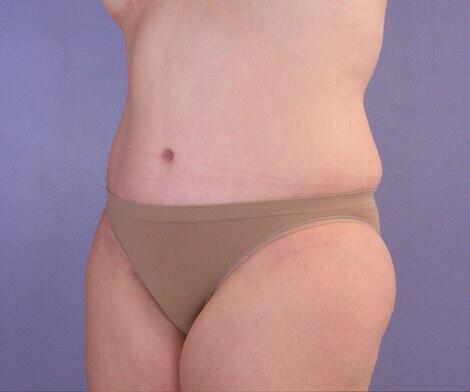
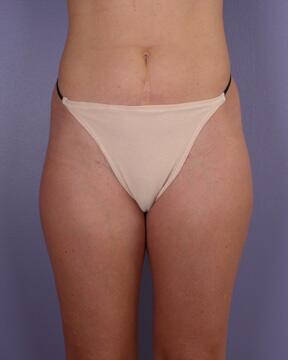
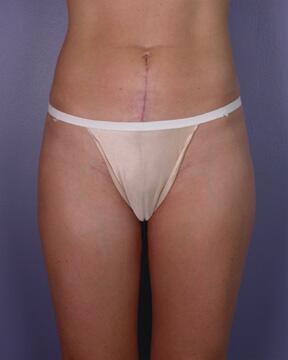
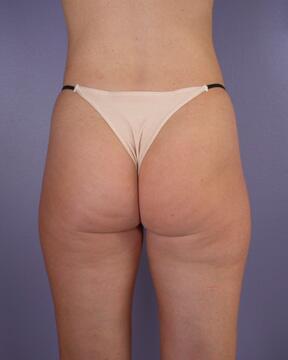
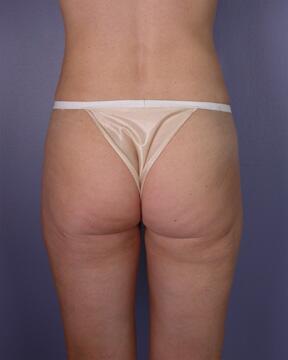
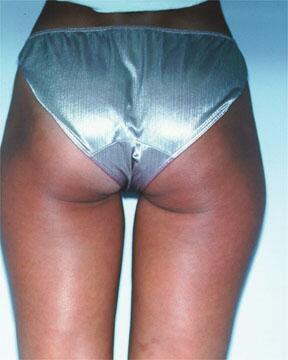
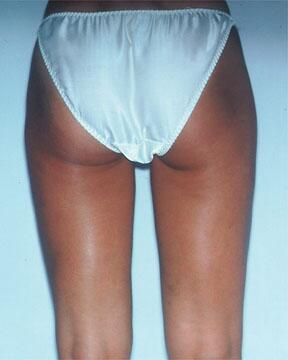
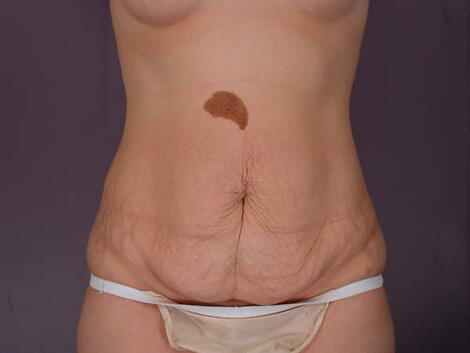
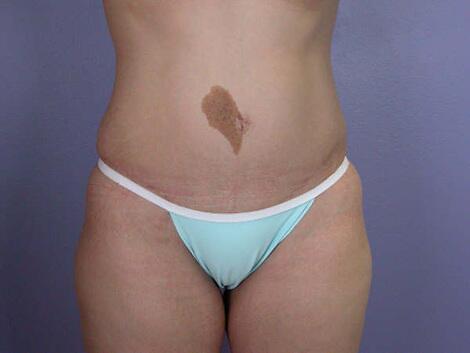
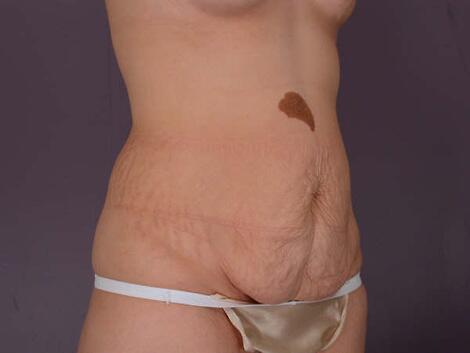
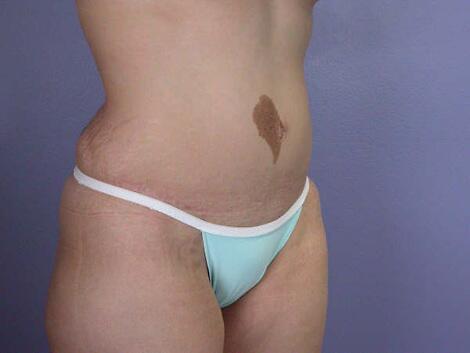
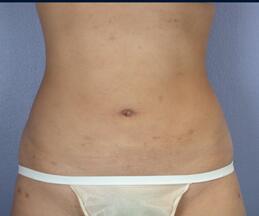
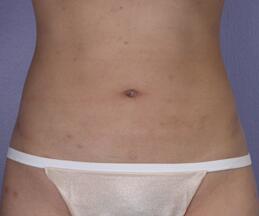
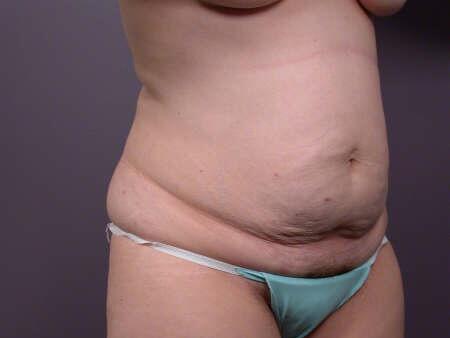
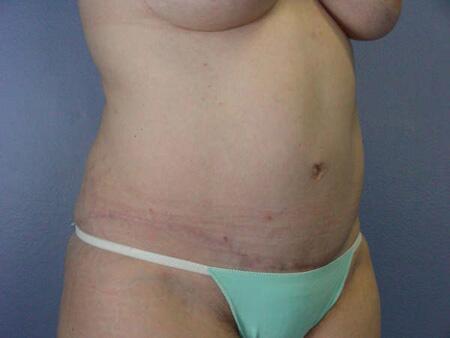
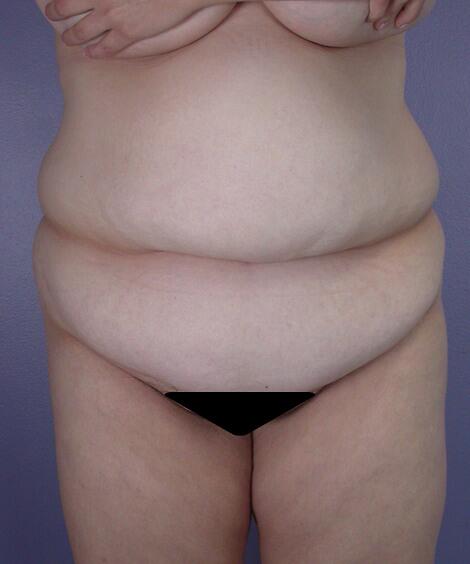
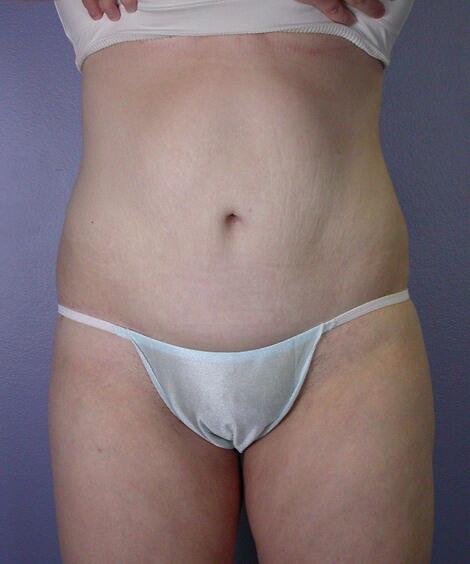
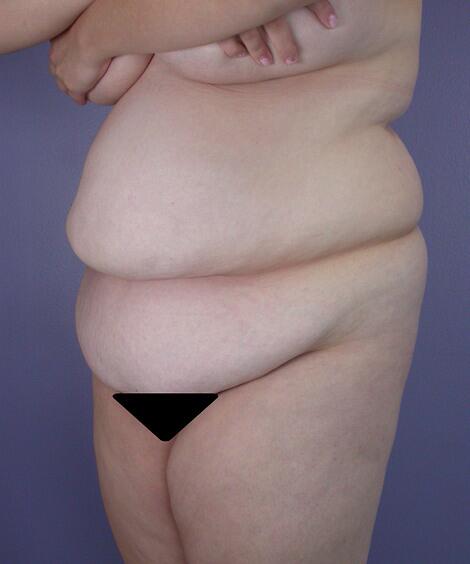
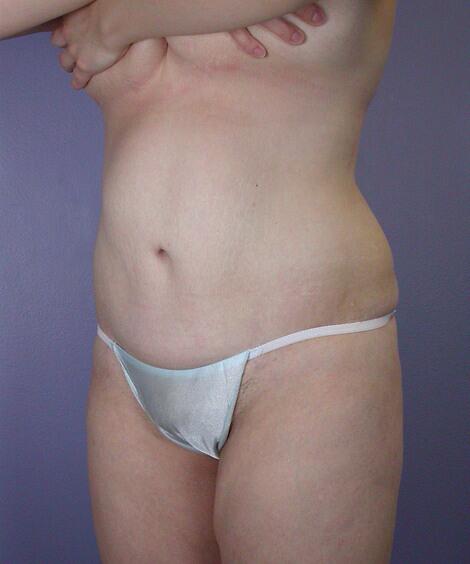
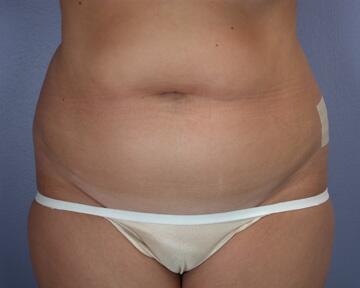
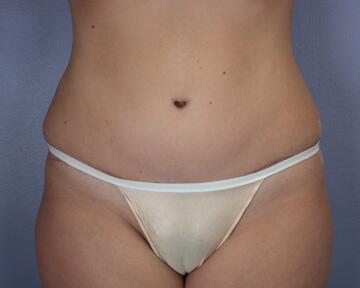
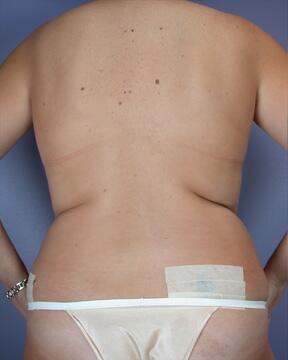
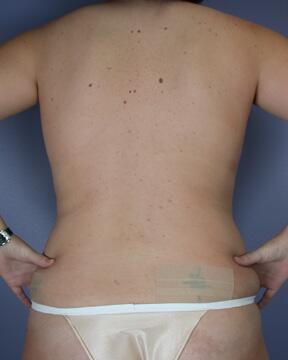
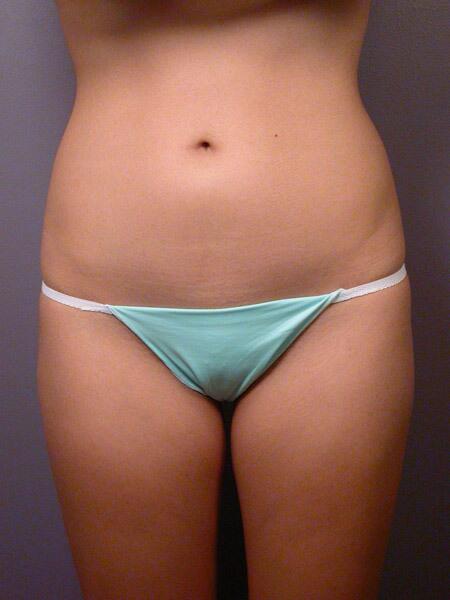
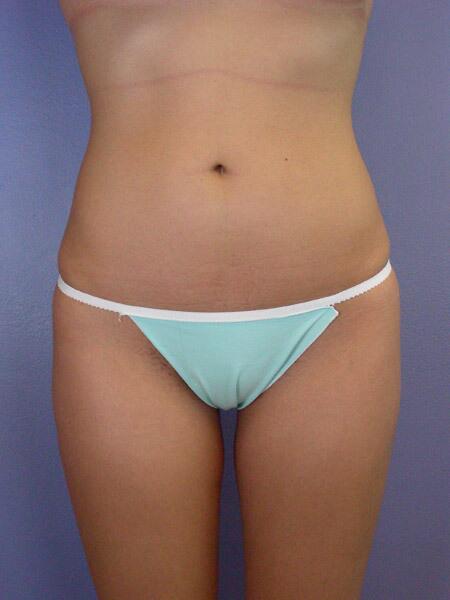
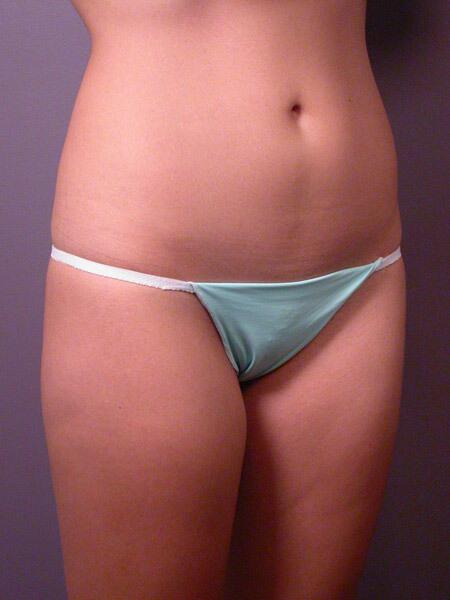
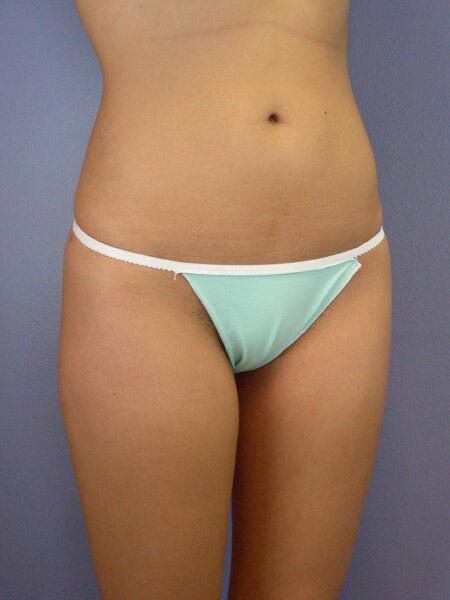
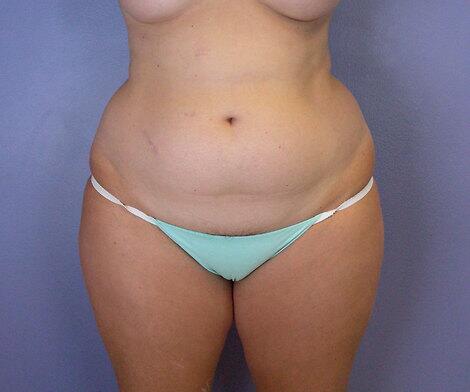
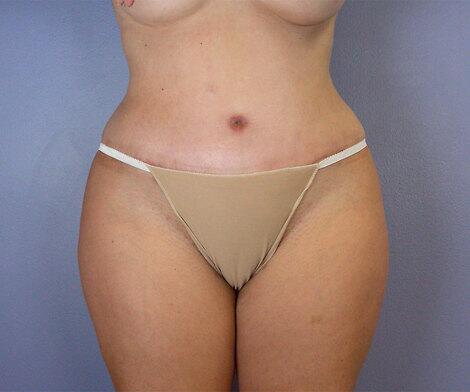
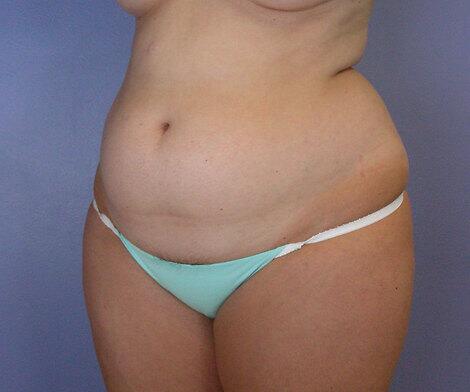
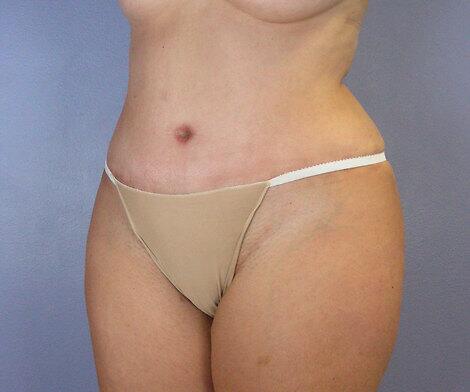
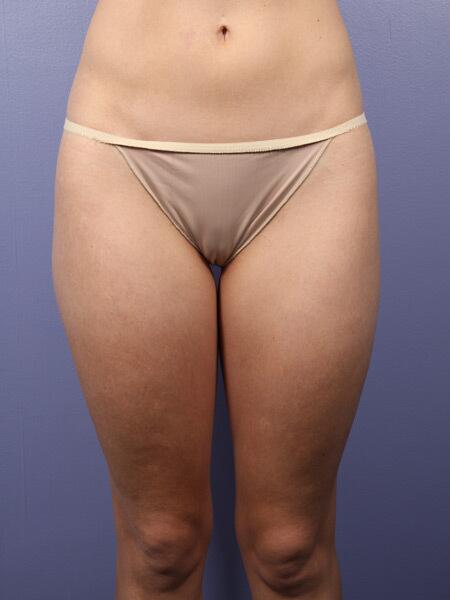
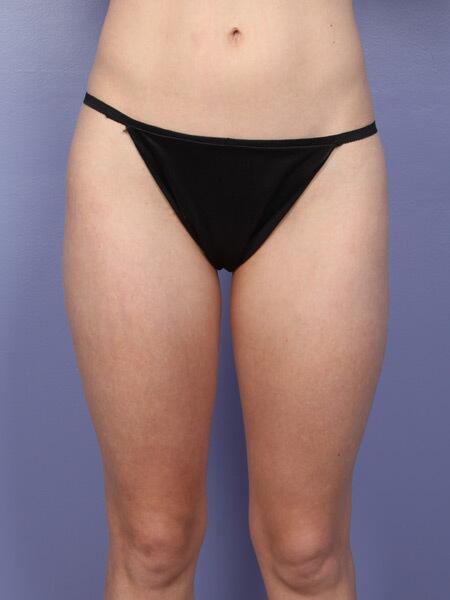
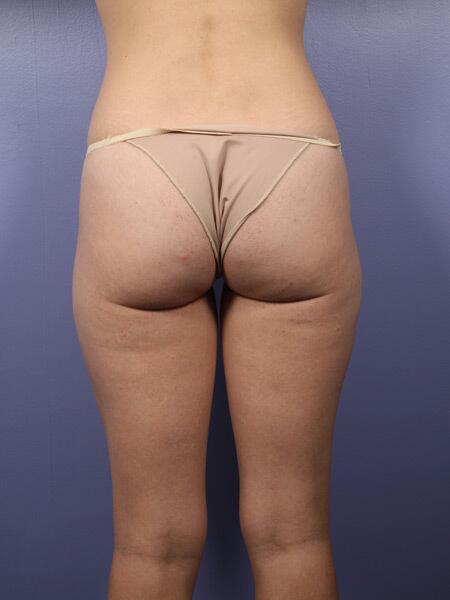
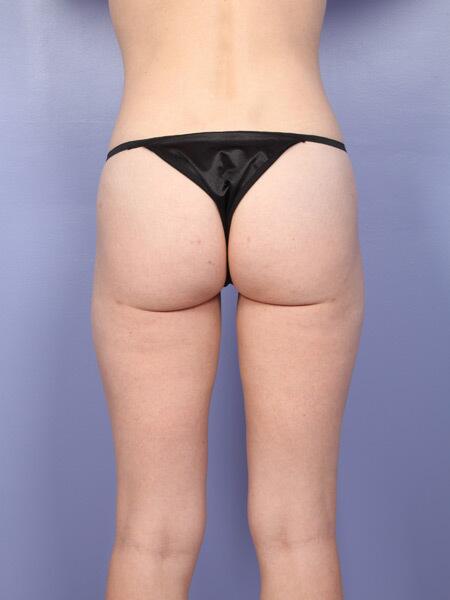
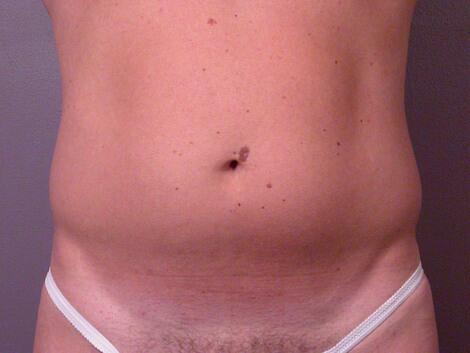
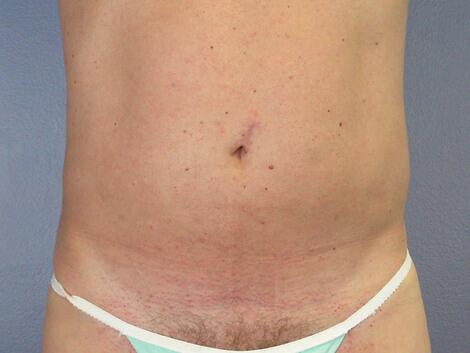
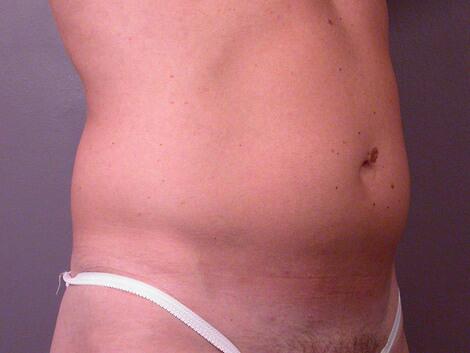
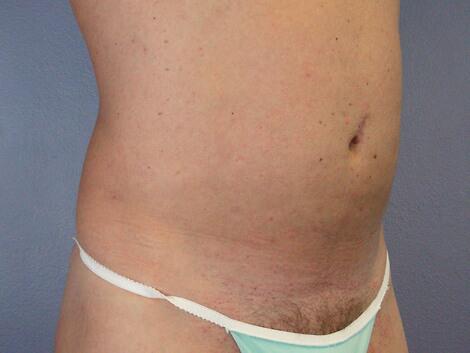
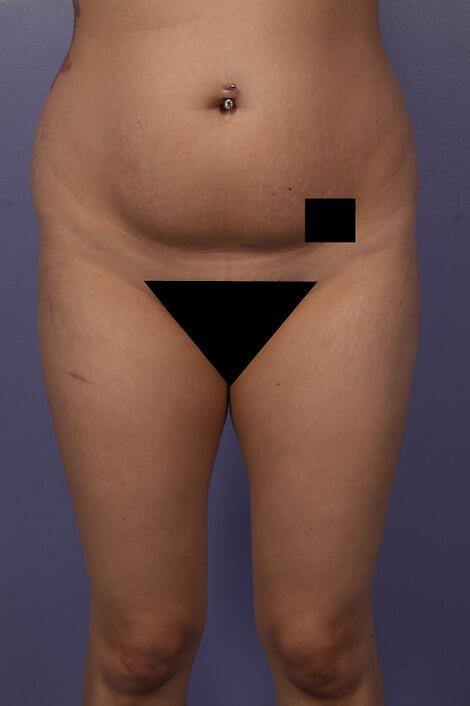
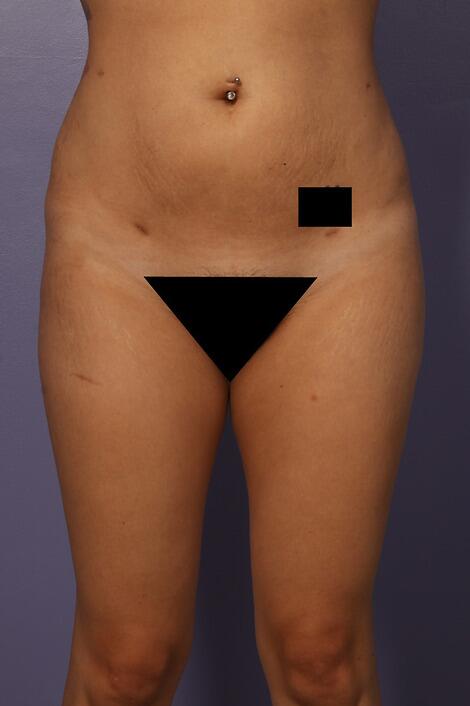
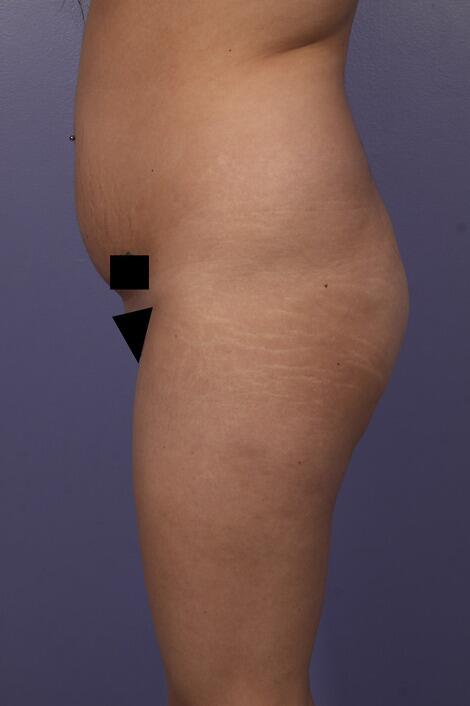
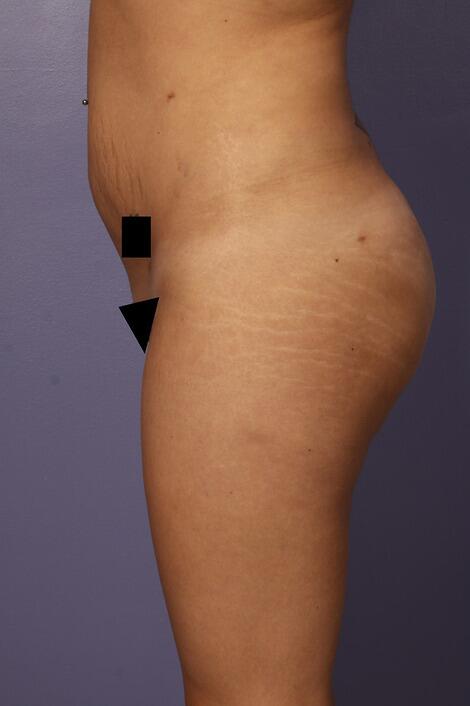
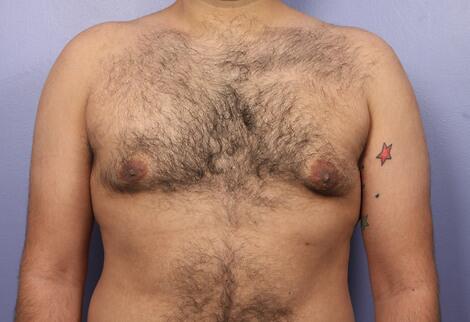
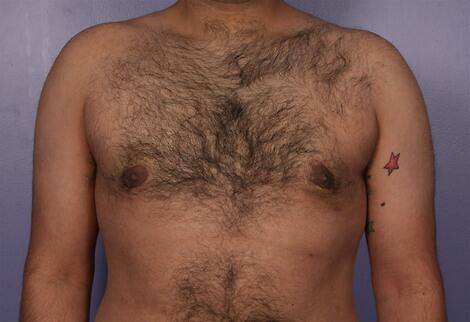
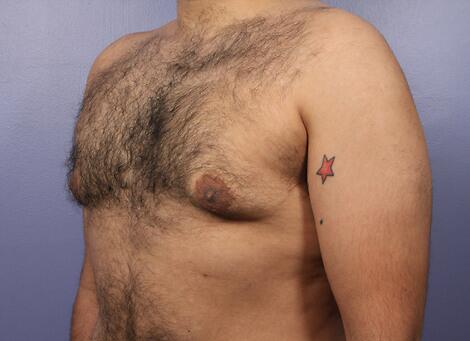
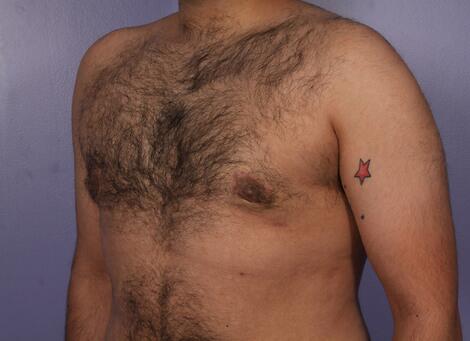
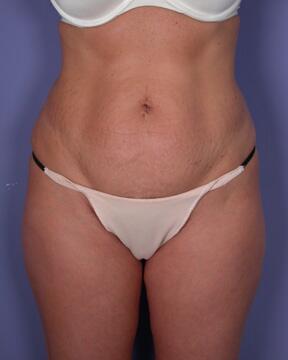
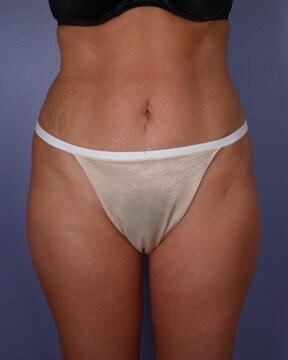
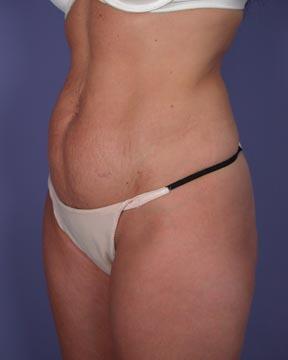
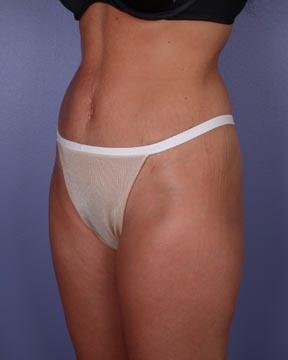
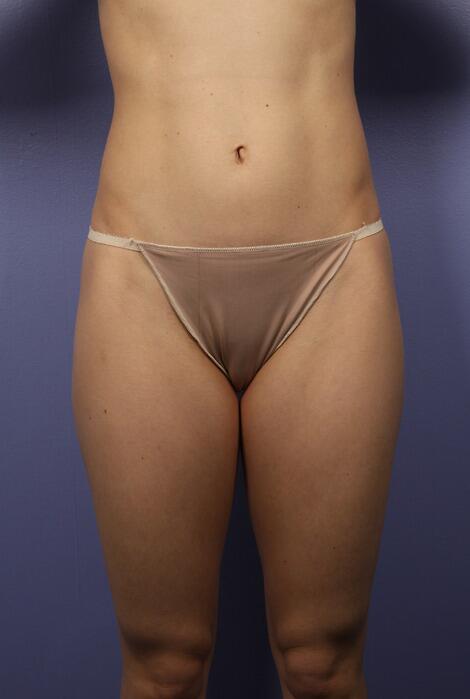
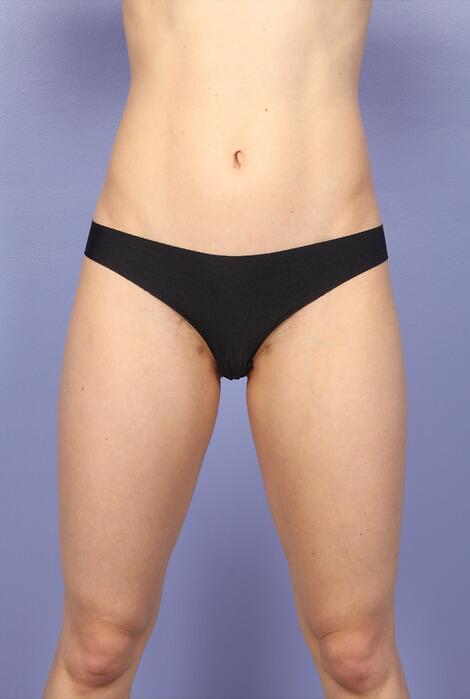
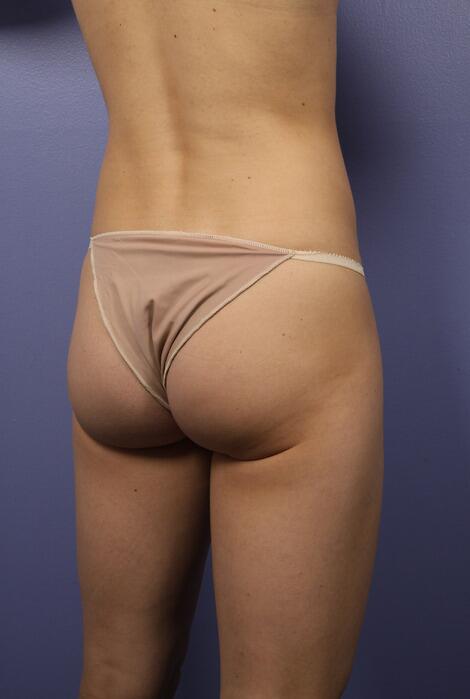
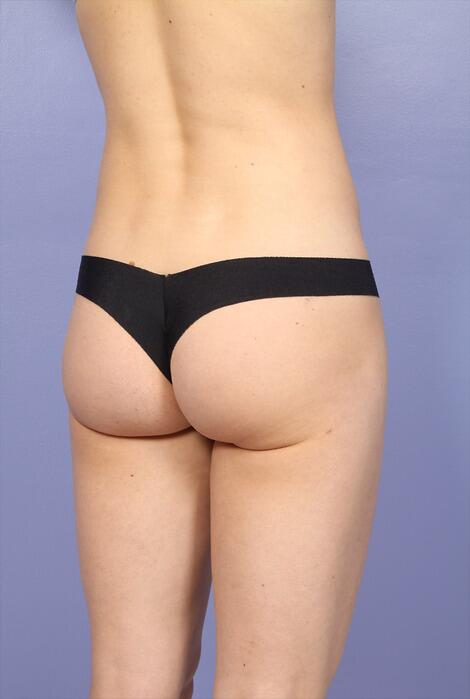
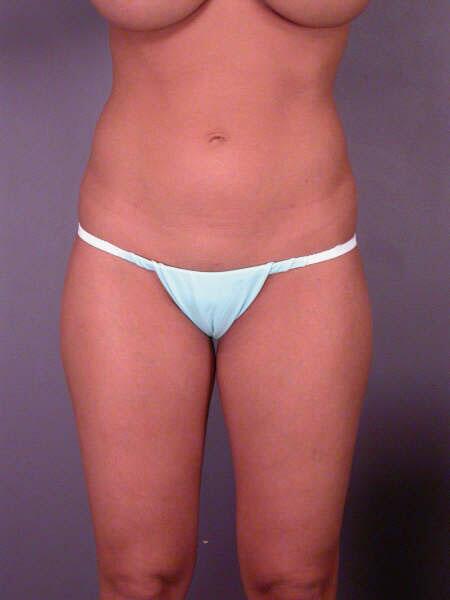
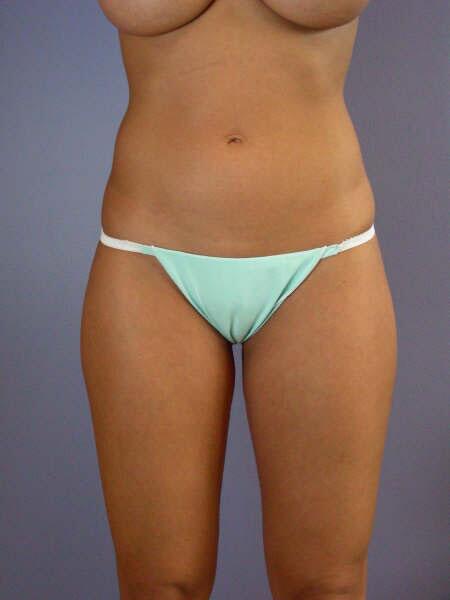
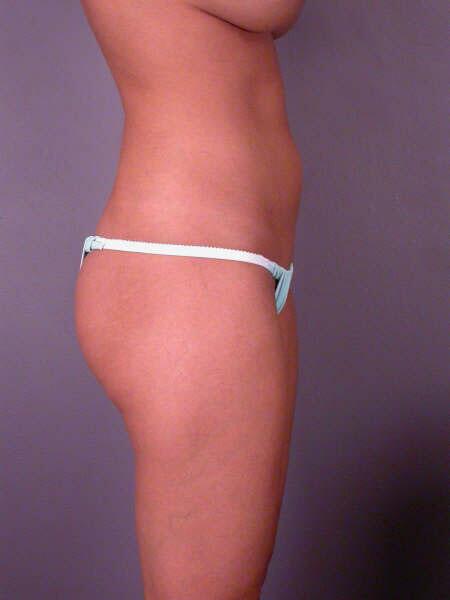
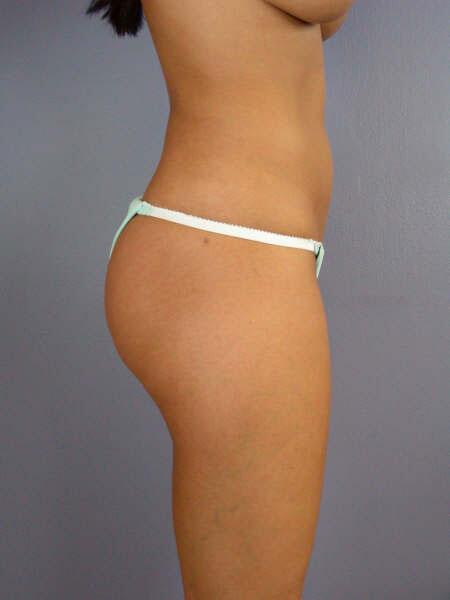
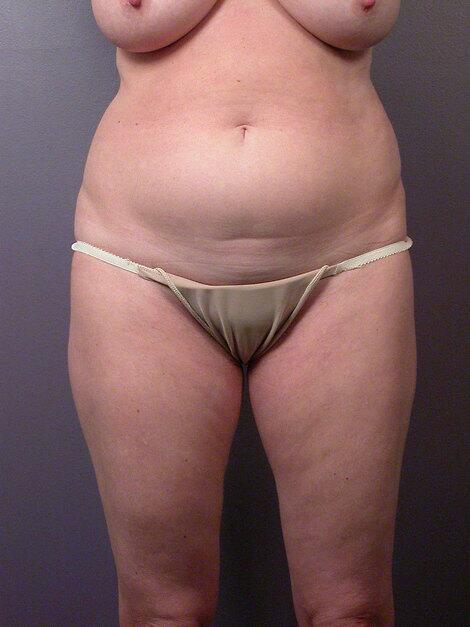
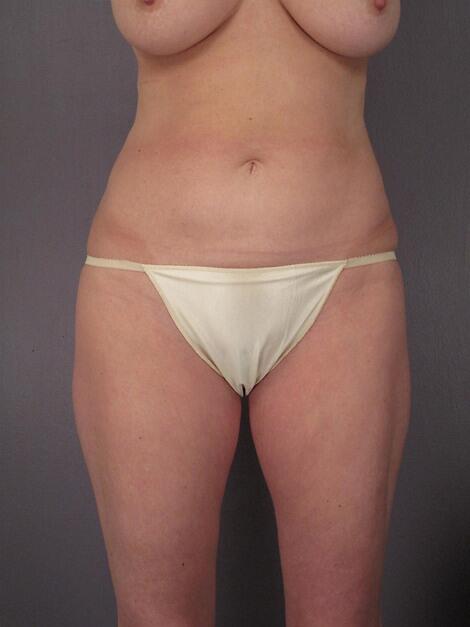
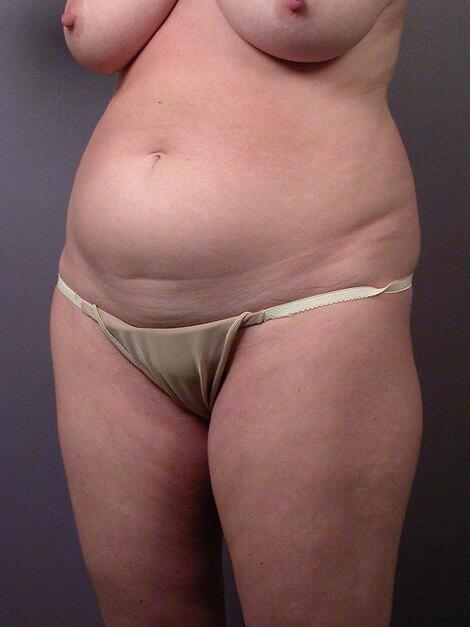
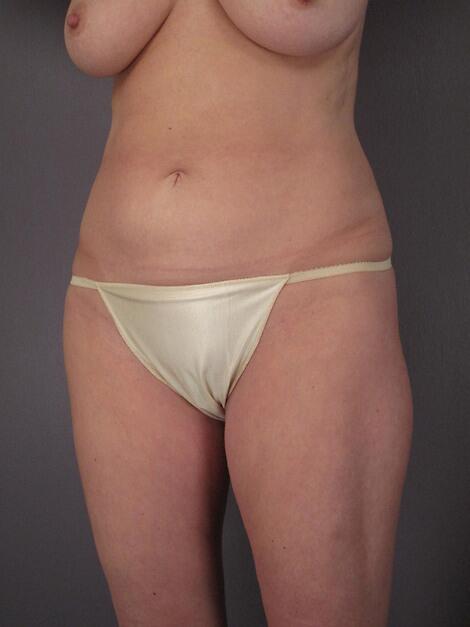
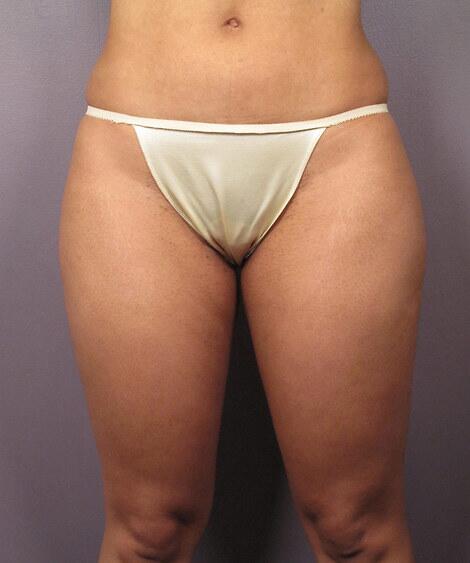
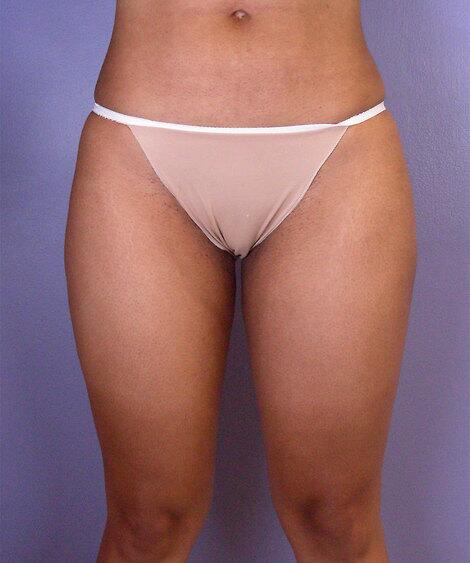
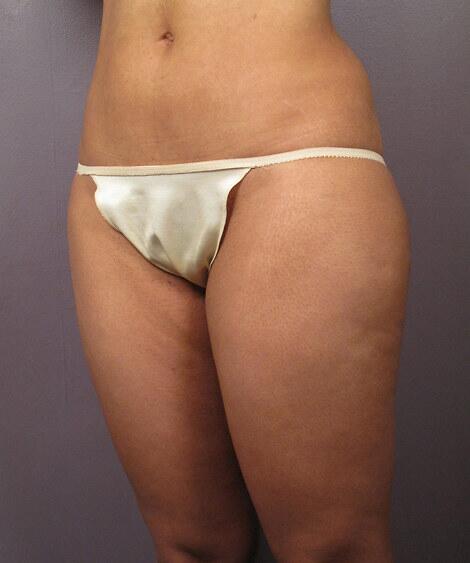
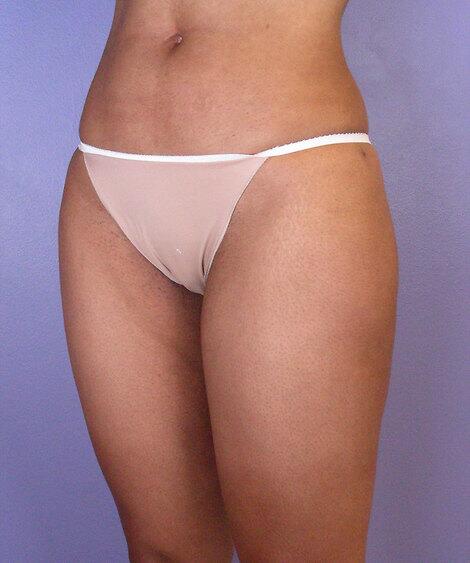
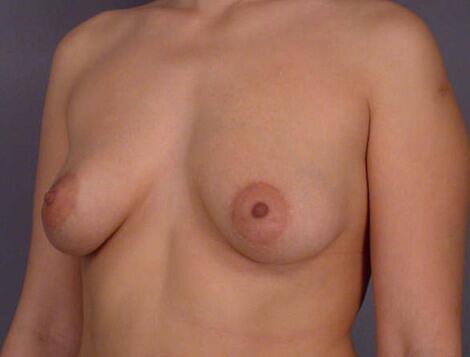
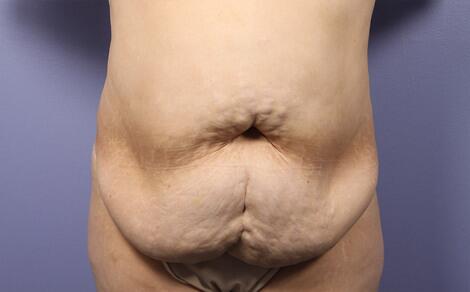
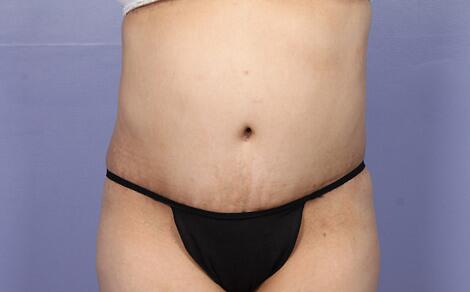
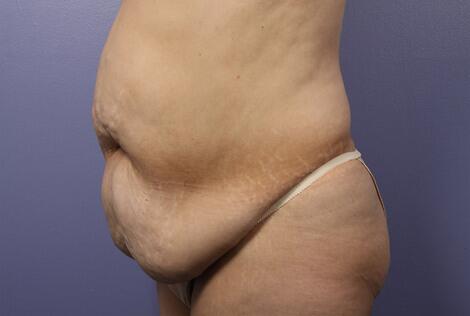
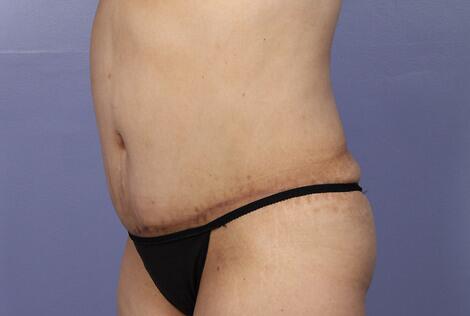
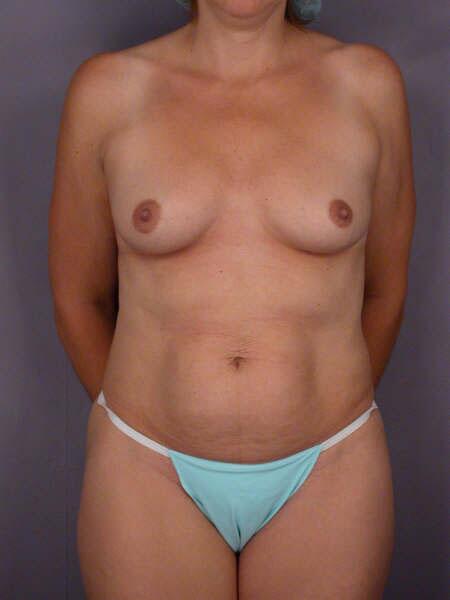
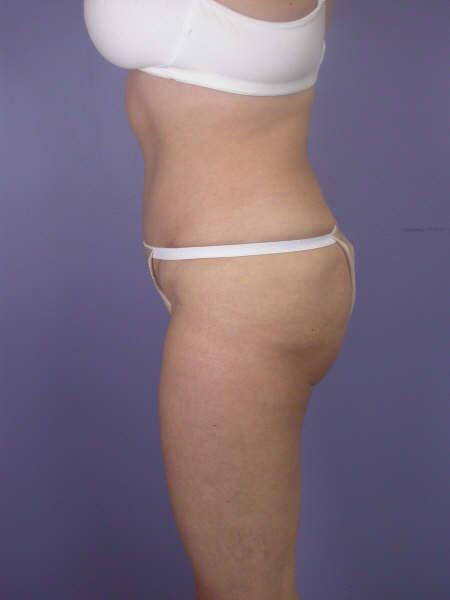
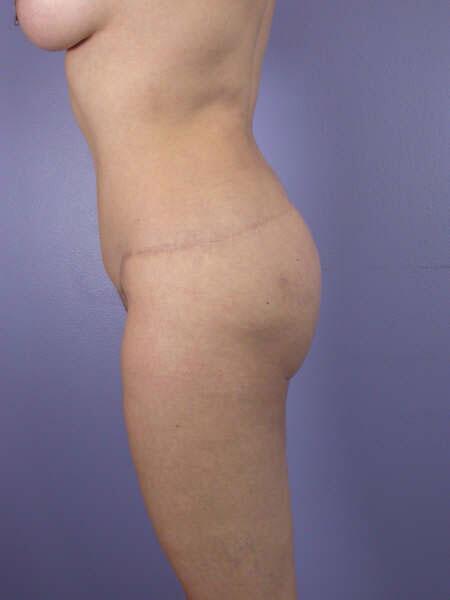
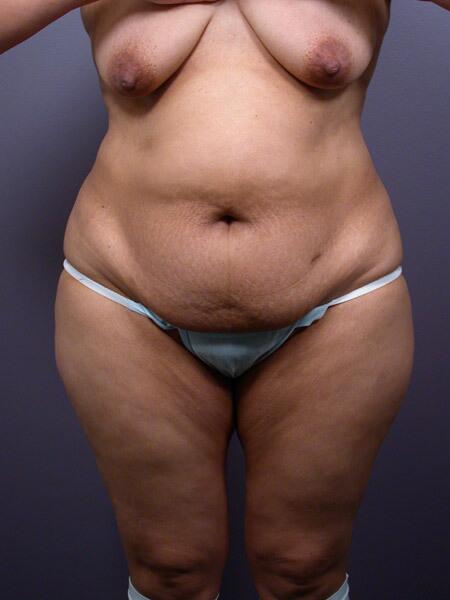
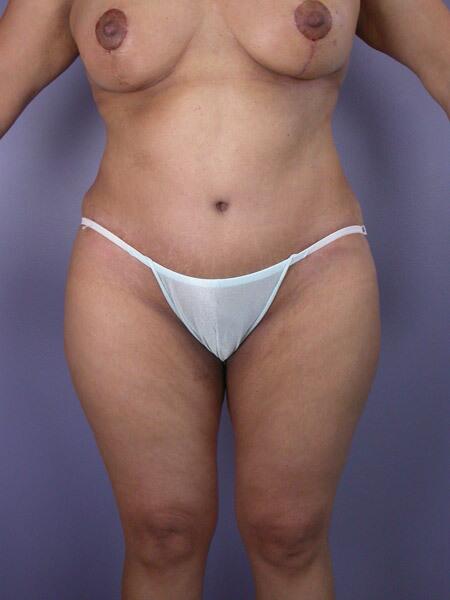
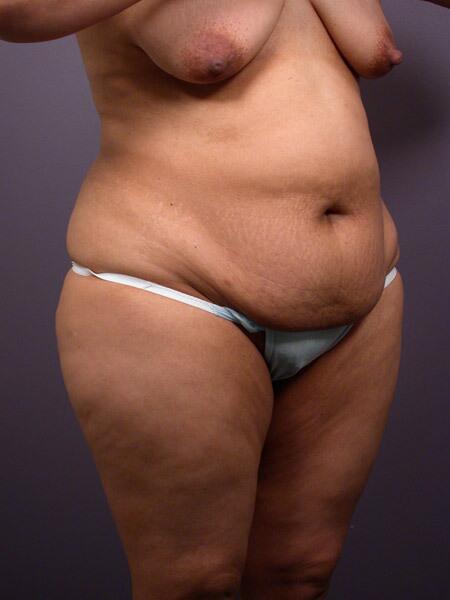
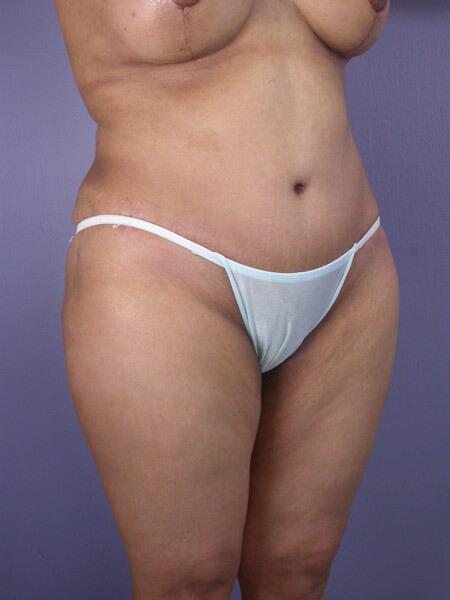
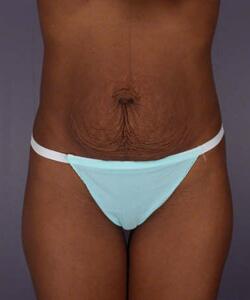
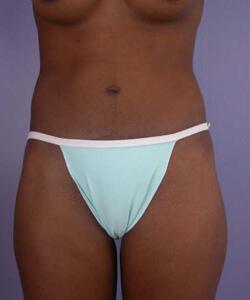
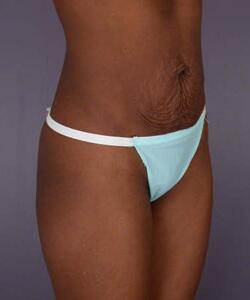
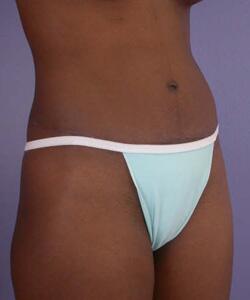
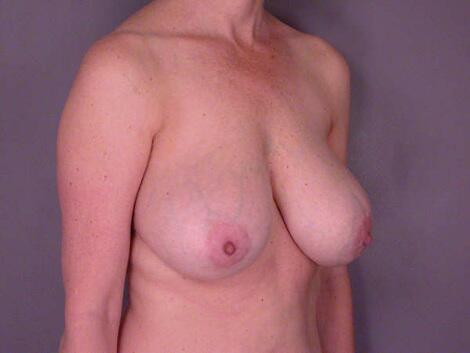
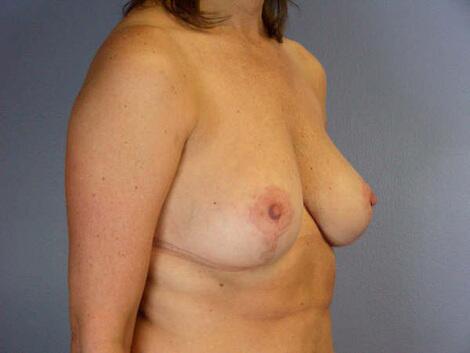
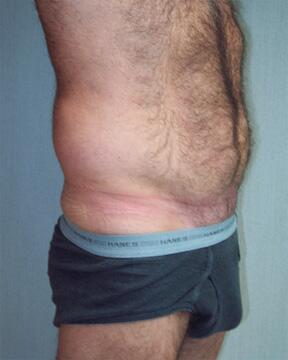
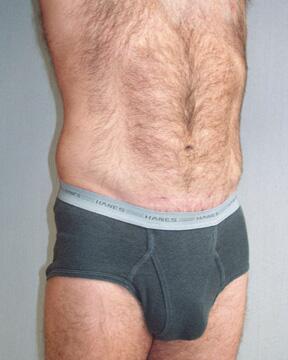
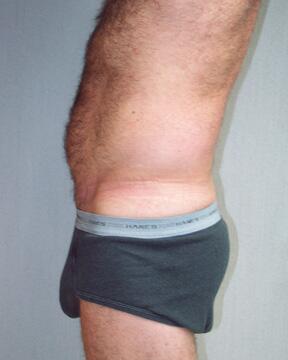
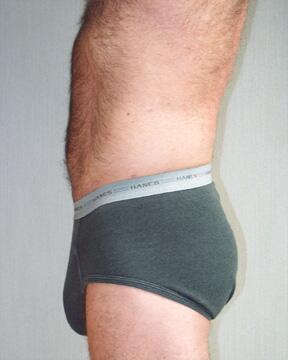
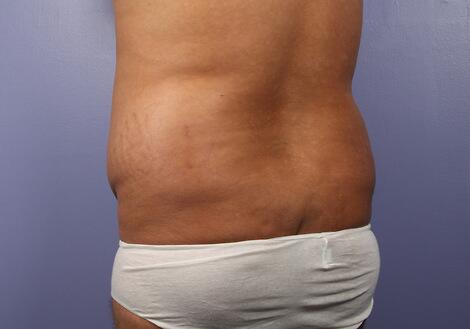
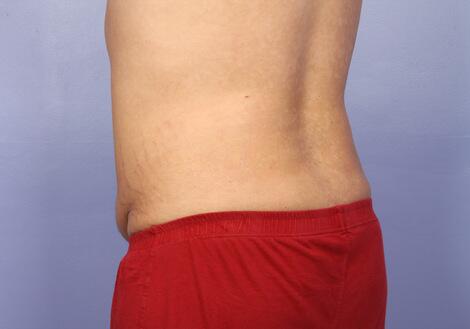
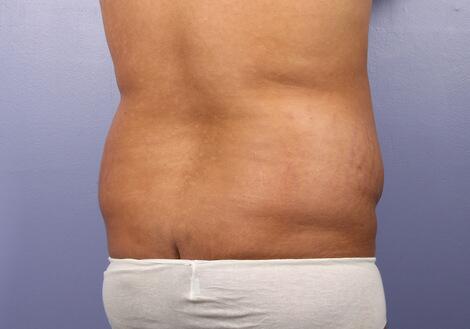
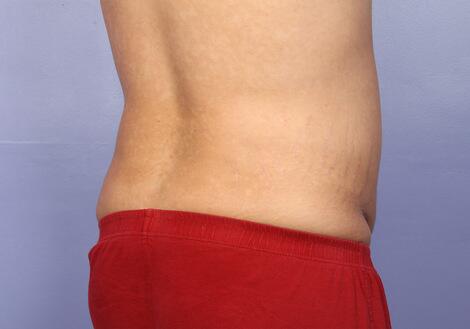
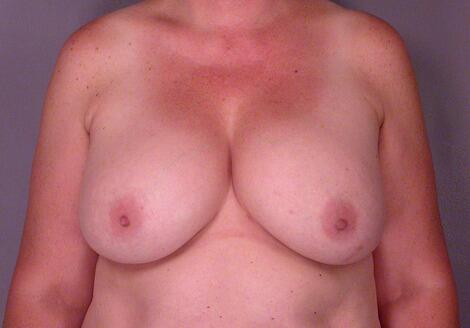
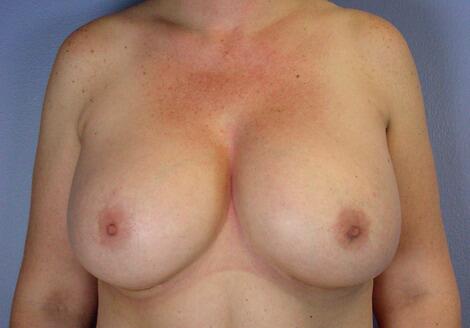
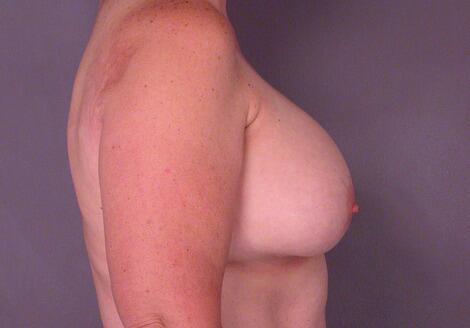
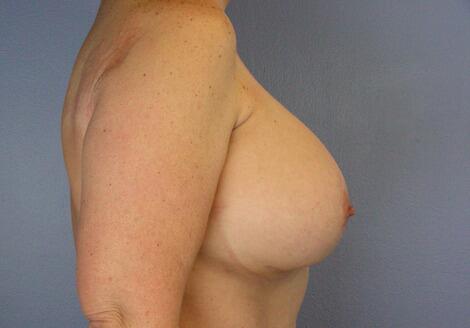
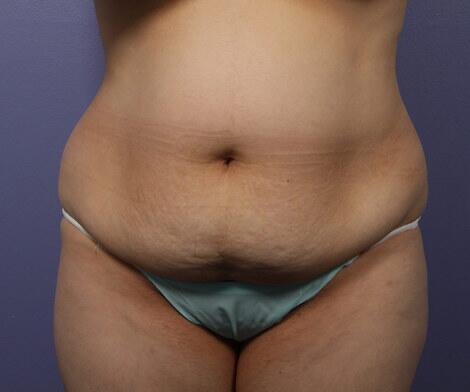
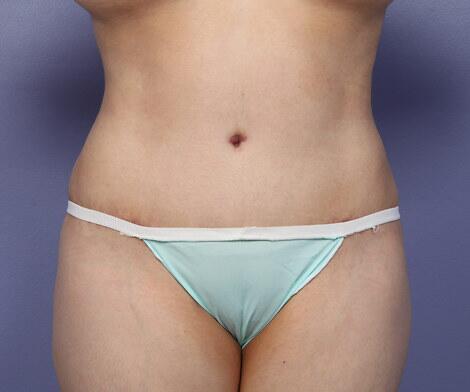
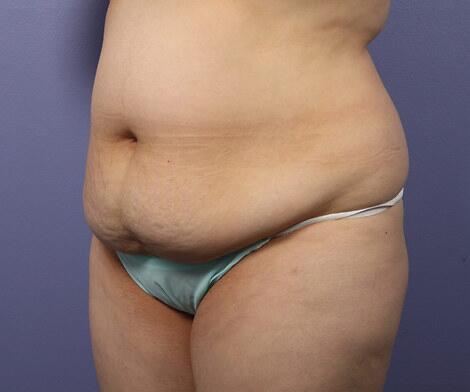
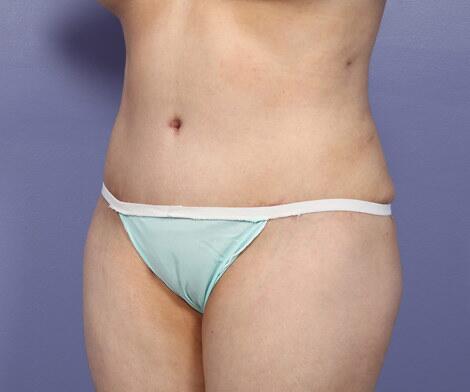
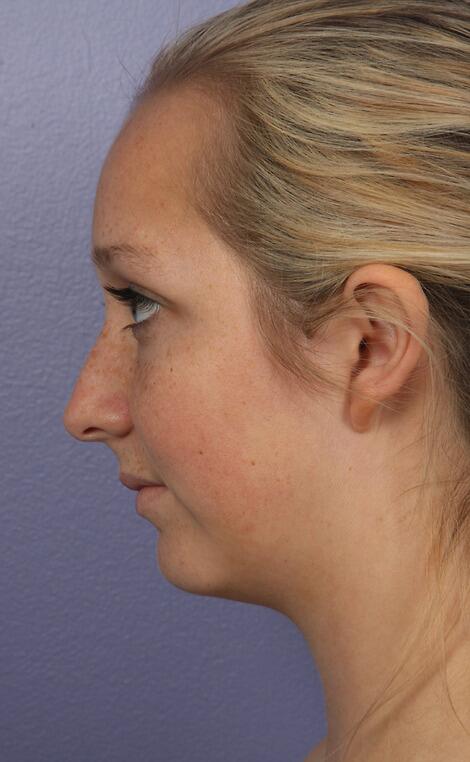
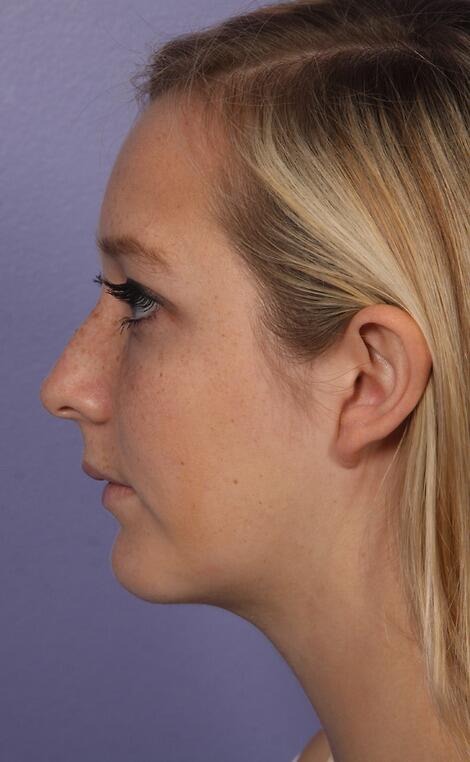
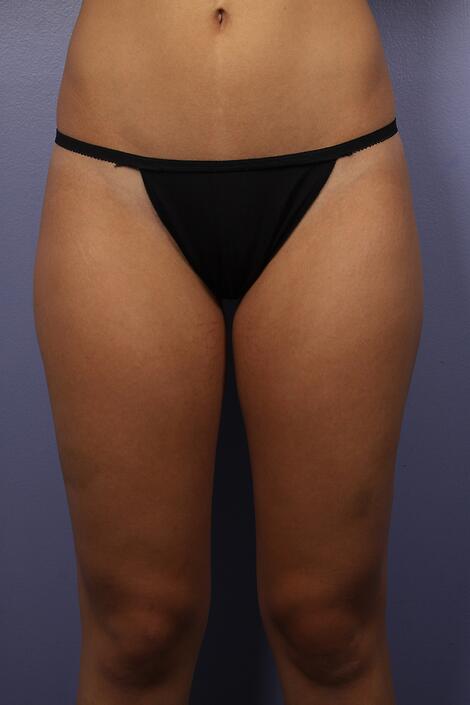
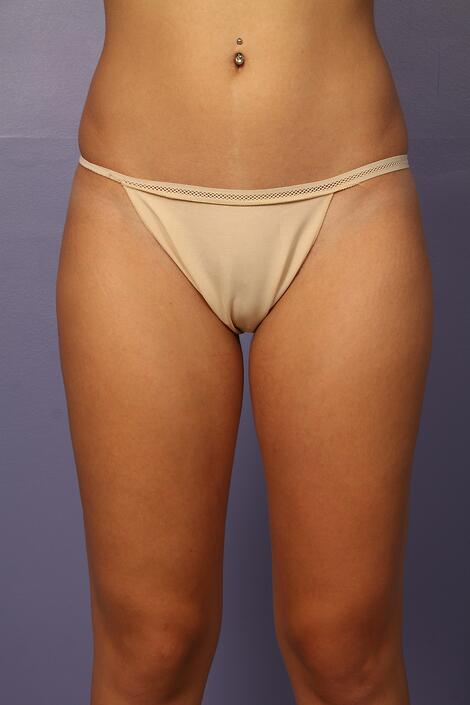
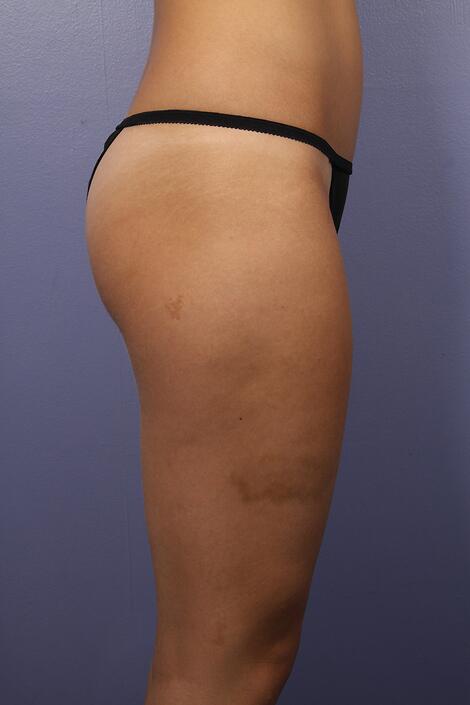
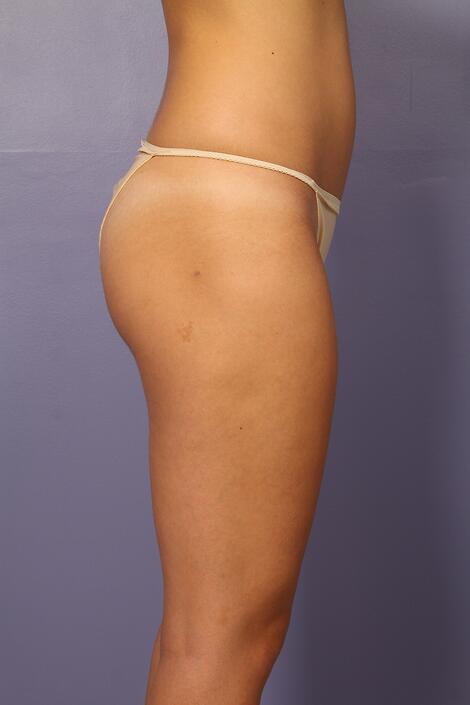
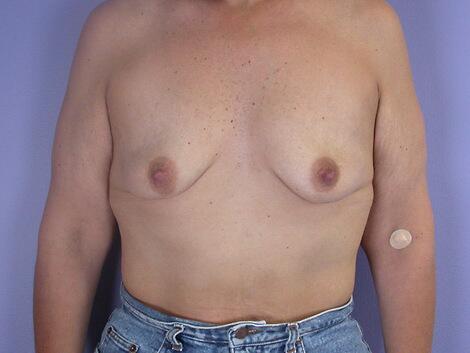
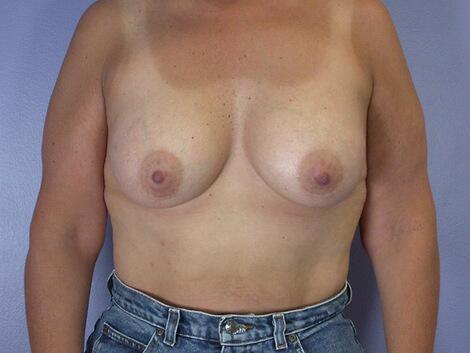
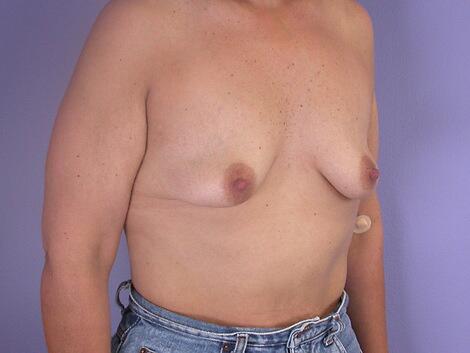
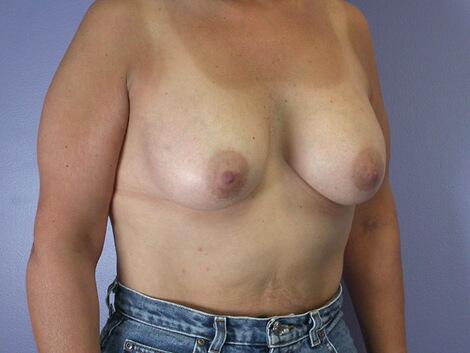
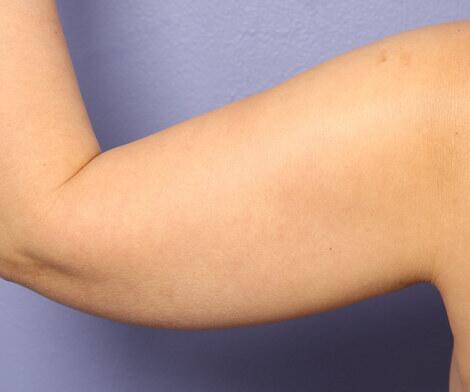
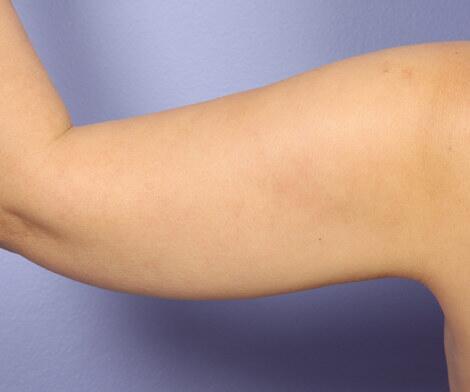
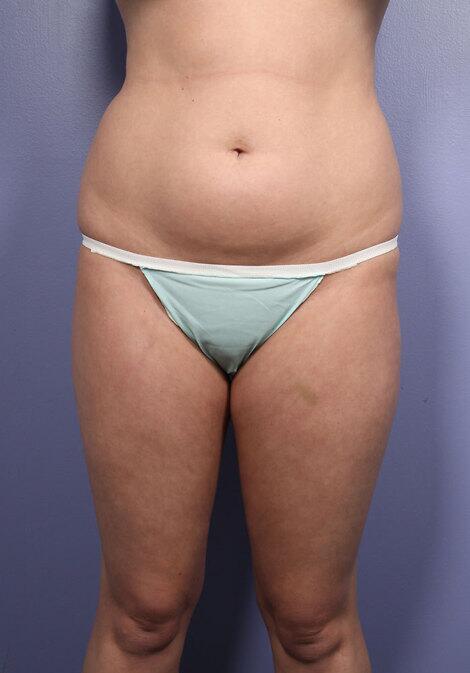
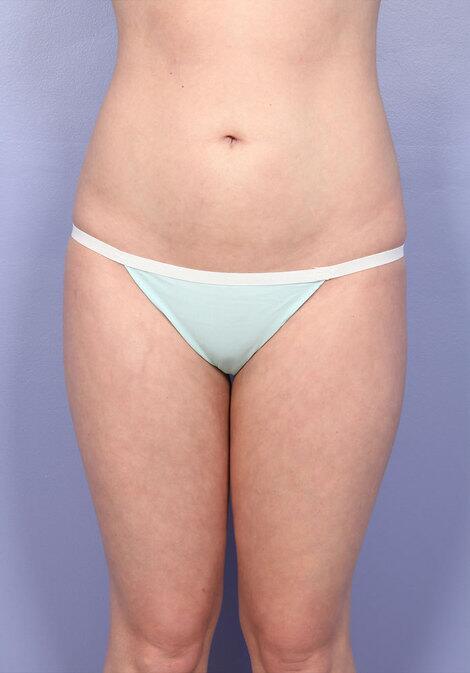
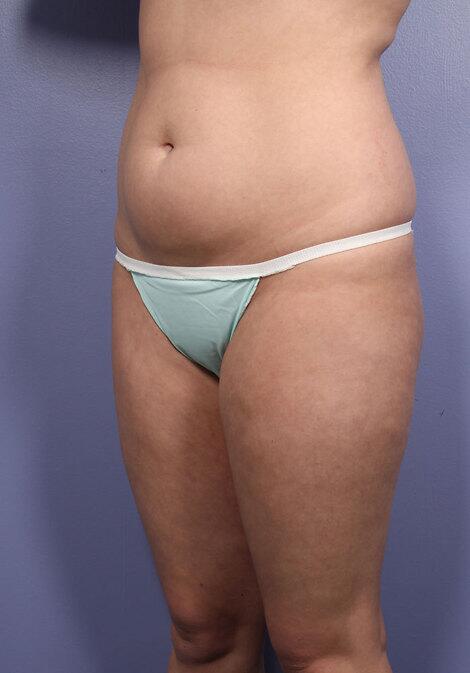
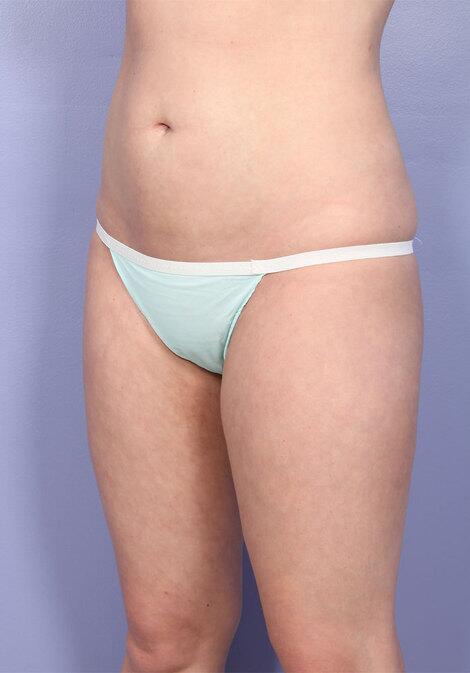
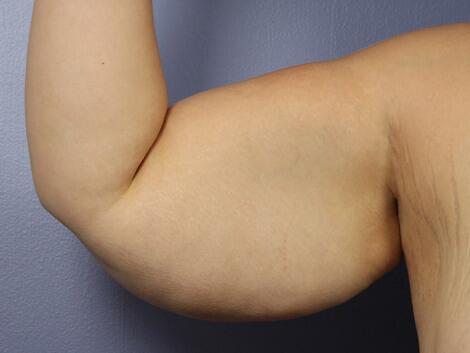
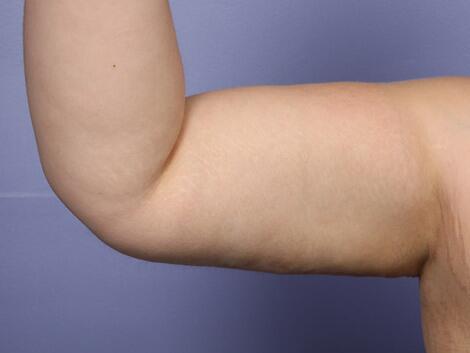
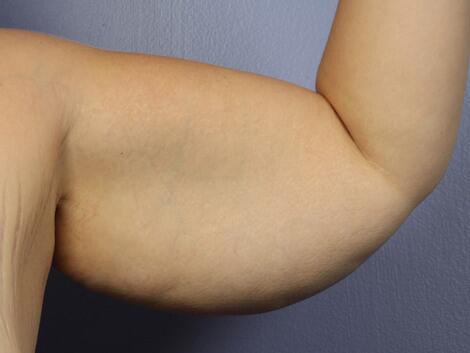
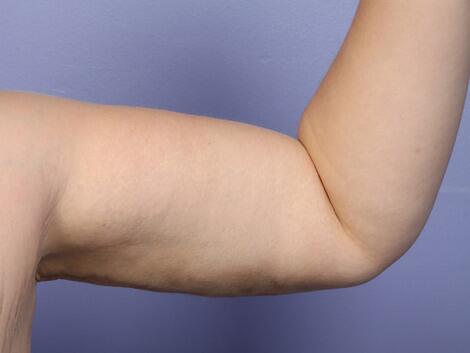
For the millions of us who diet and work out regularly, but still don’t see the results we want, there is hope in the form of a plastic surgery procedure called liposuction. Los Angeles liposuction patients have used this trusted and popular treatment to achieve their body contouring goals. Liposuction, sometimes shortened to “lipo” is a surgical procedure that uses suction to remove excess fat cells, thus reshaping and recontouring targeted body areas. Liposuction can be a great option for people who have tried to reduce selected areas of their body through diet and exercise, but have not achieved their desired results.
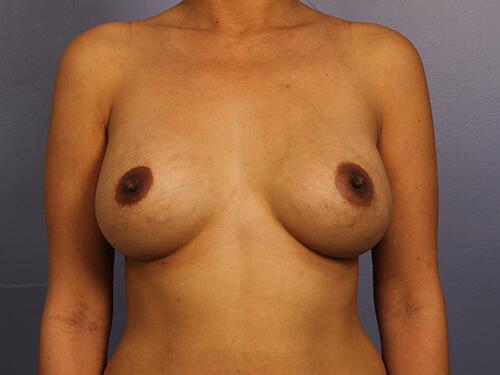
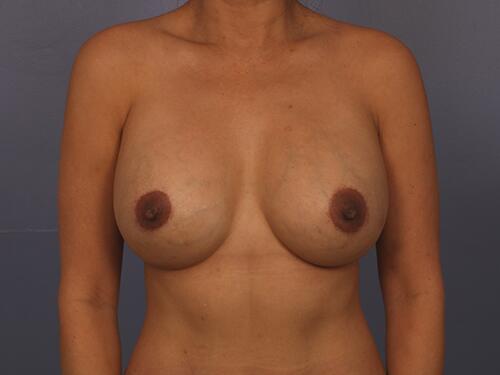
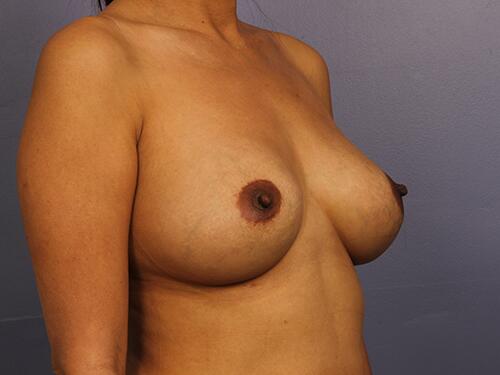
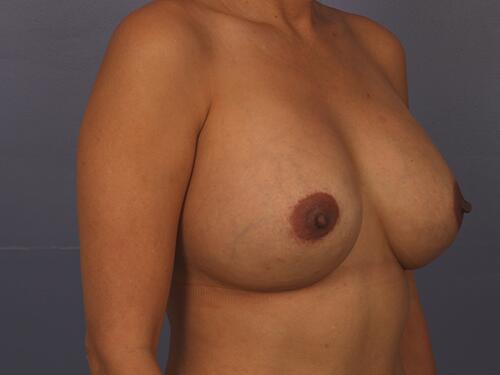
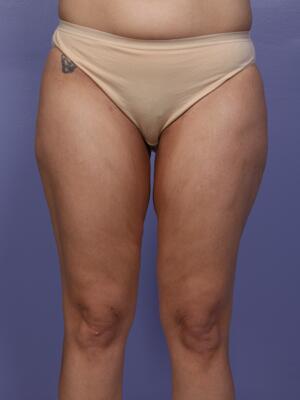
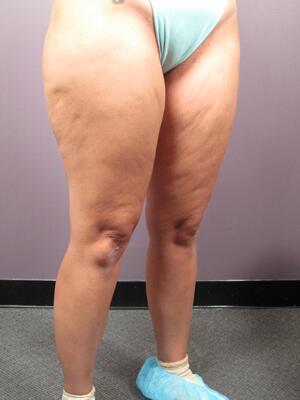
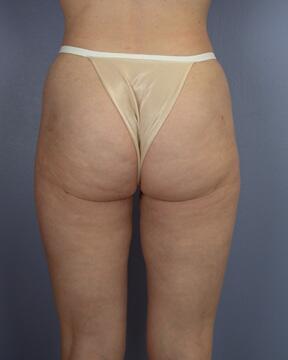
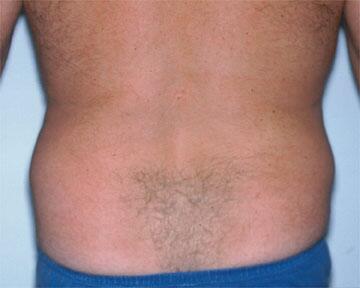
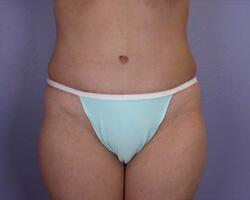
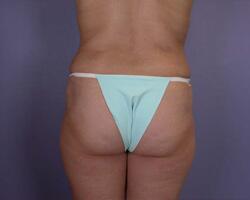
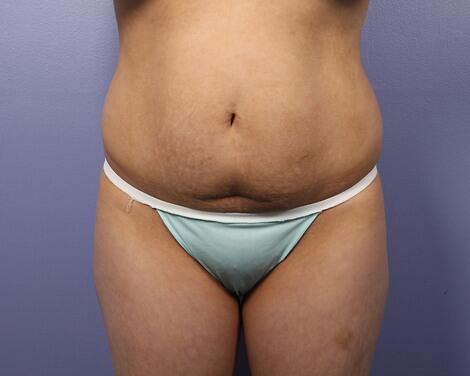
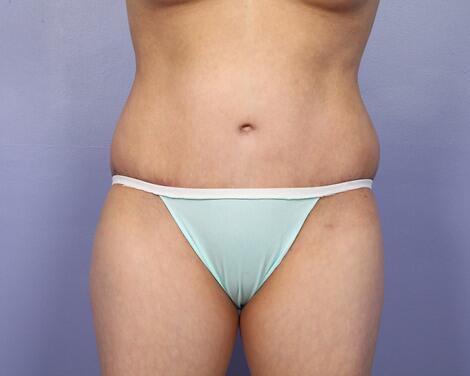
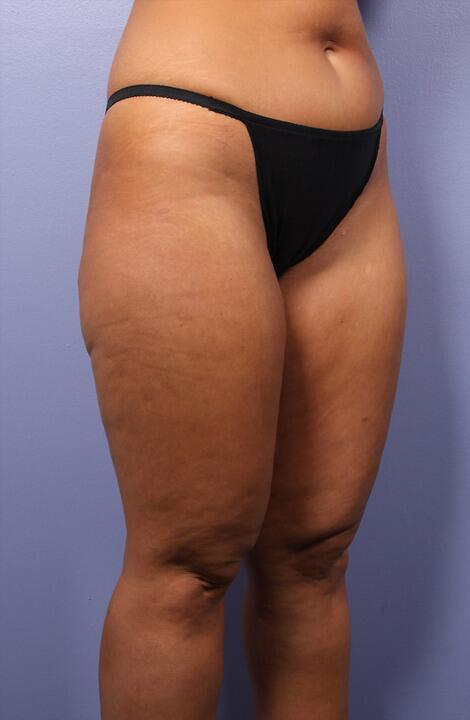
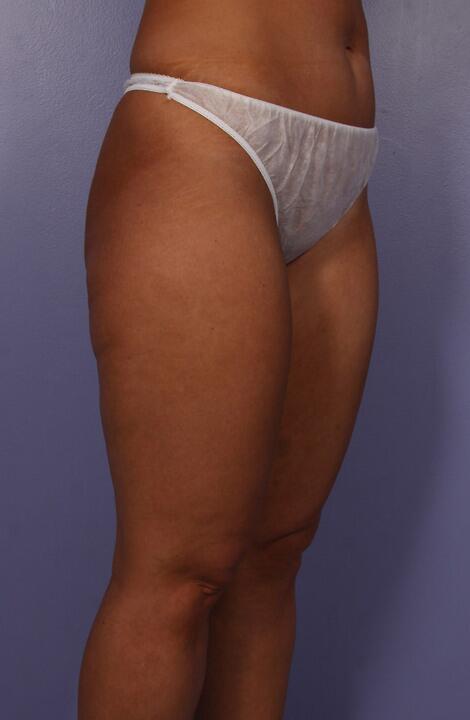
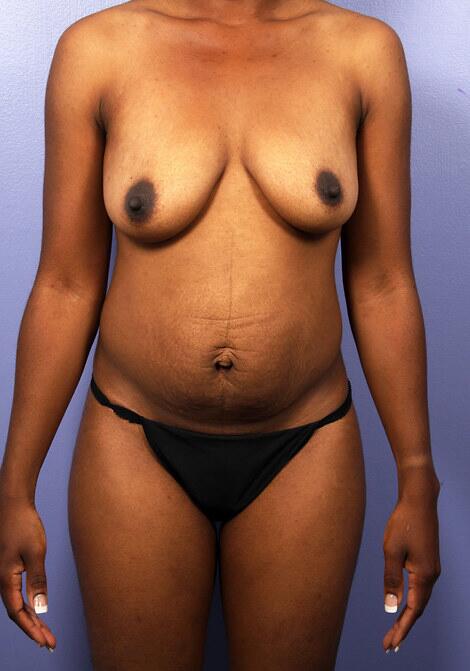
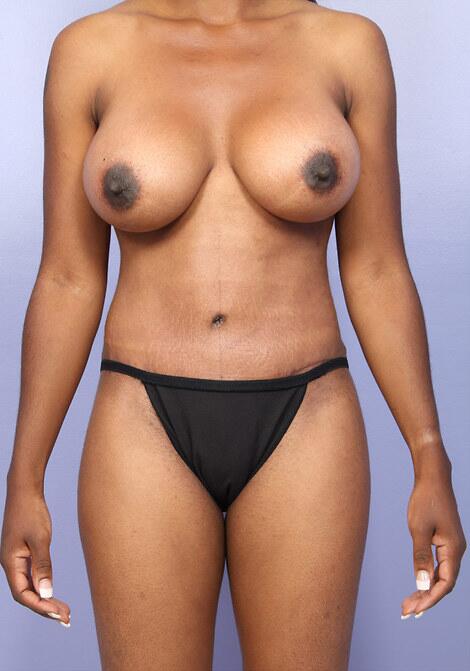
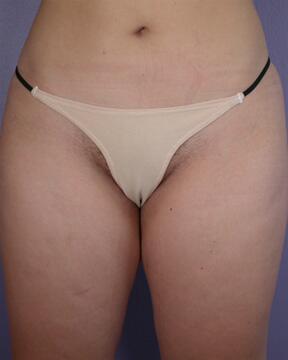
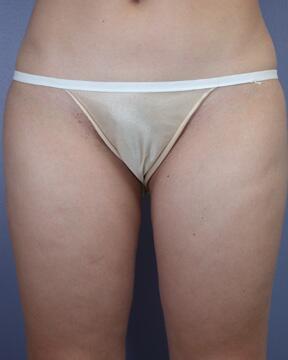
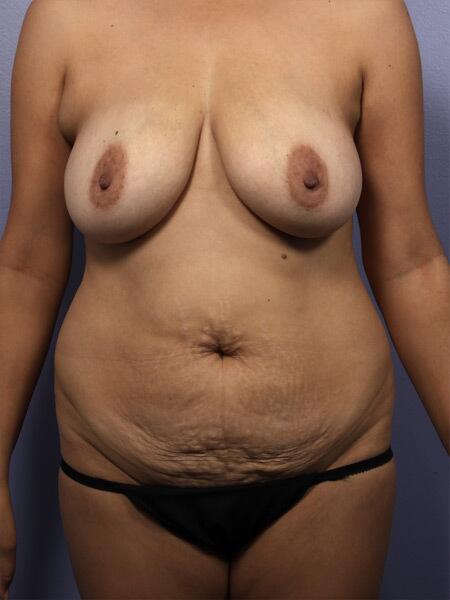
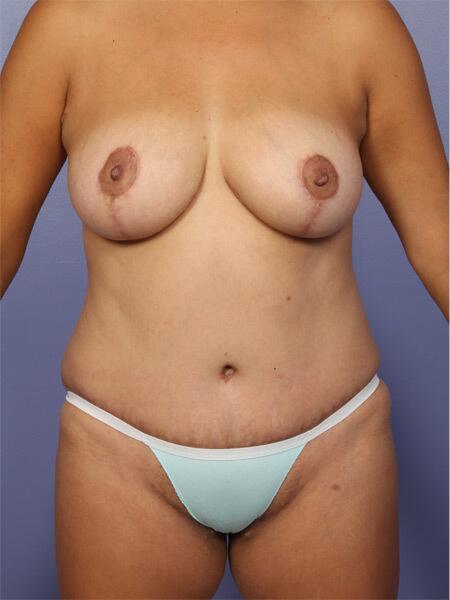
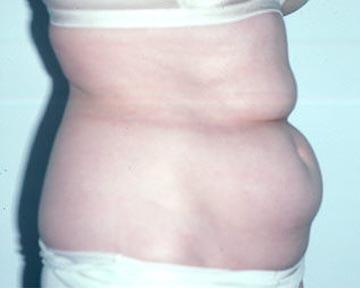
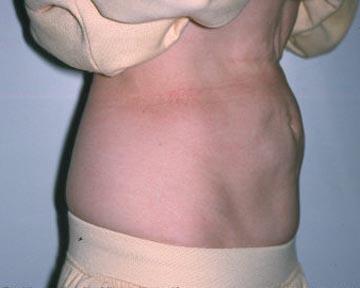
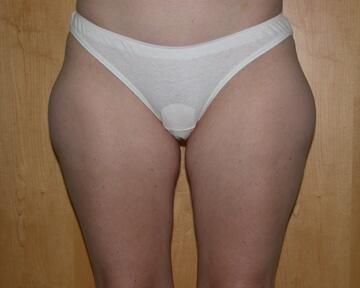
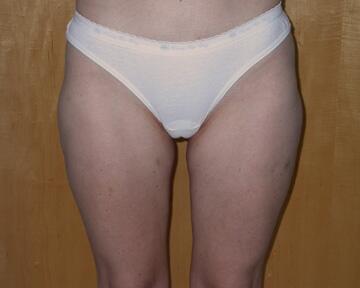
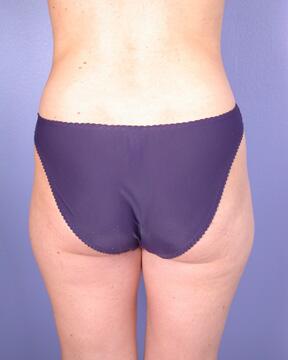
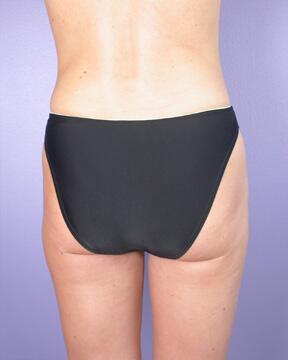
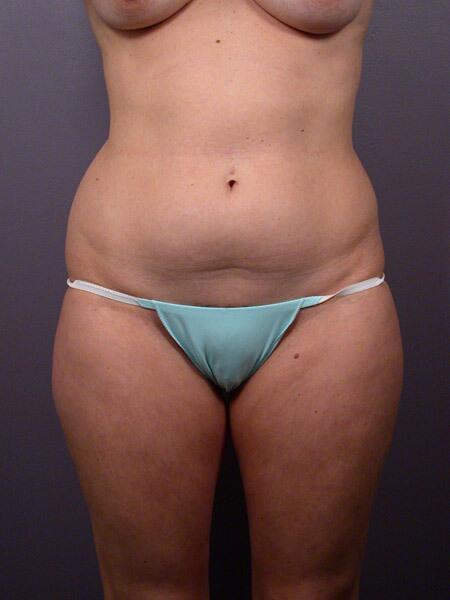
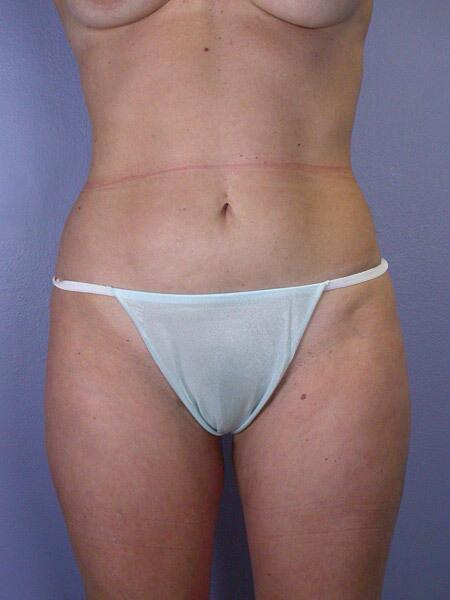
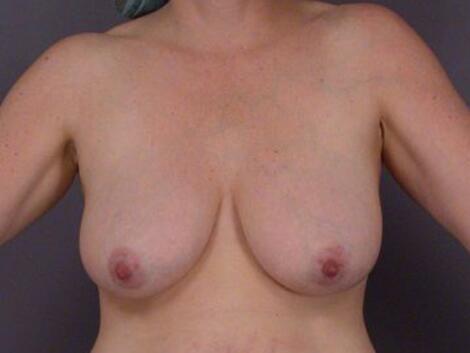
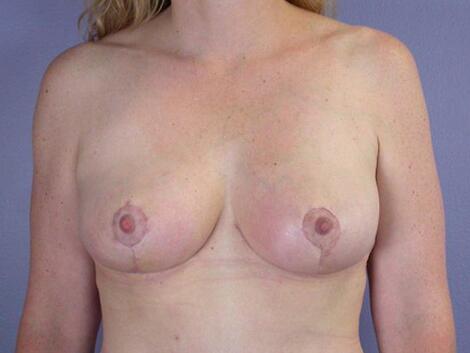
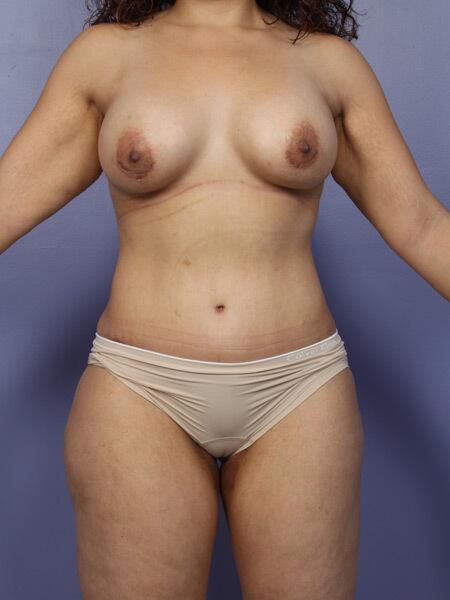
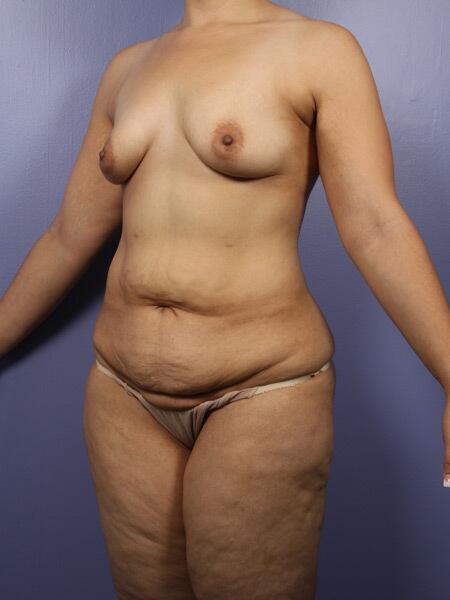
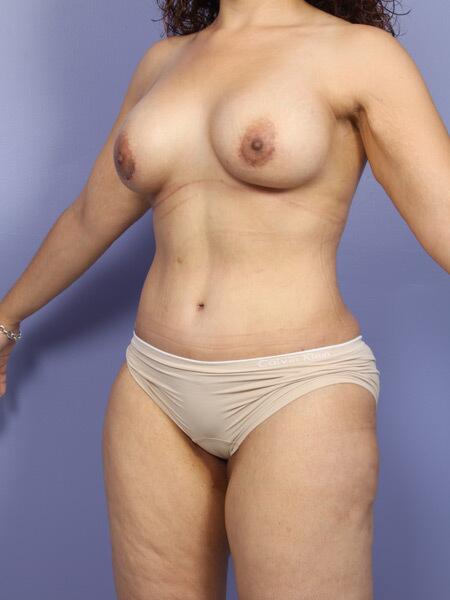
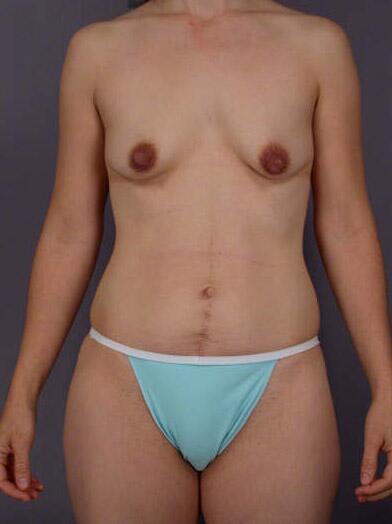
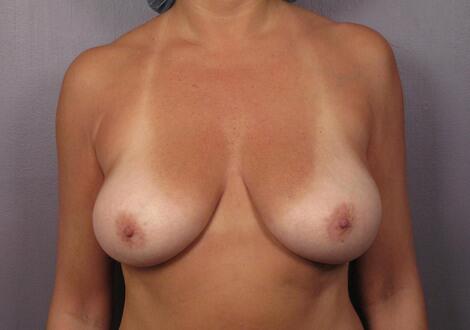
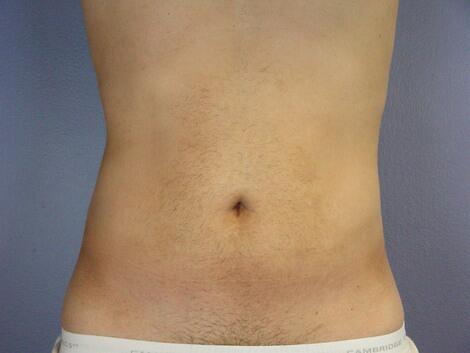
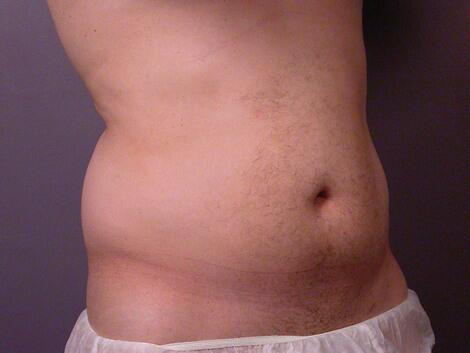
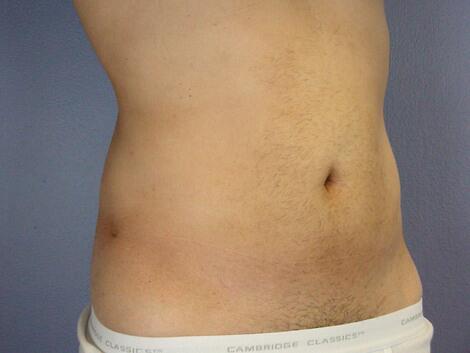
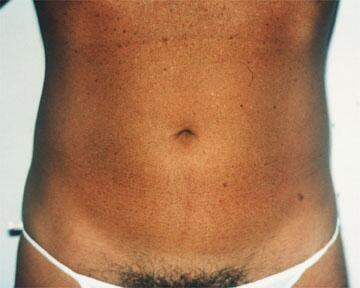
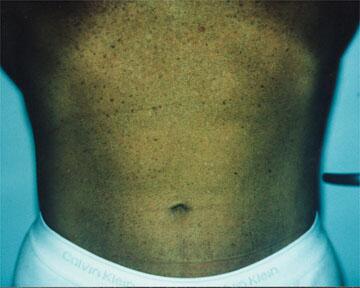
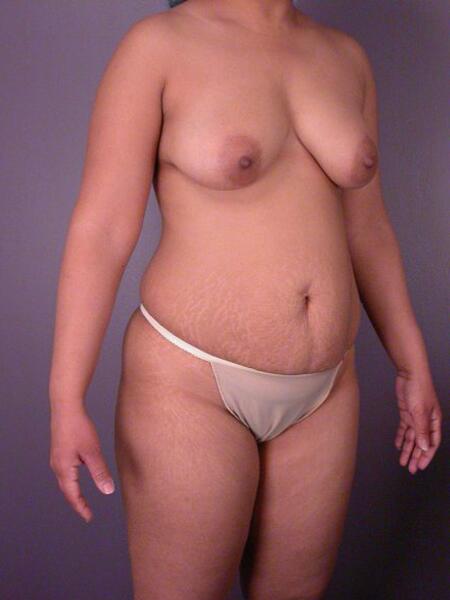
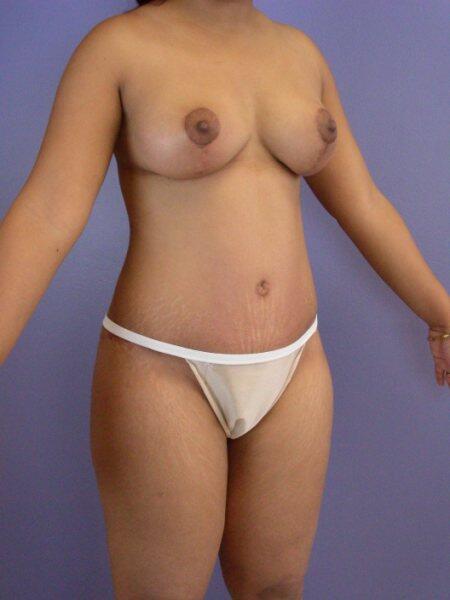
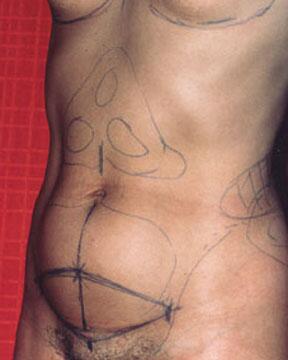
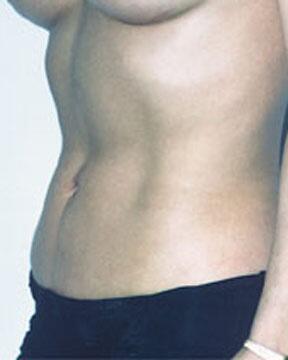
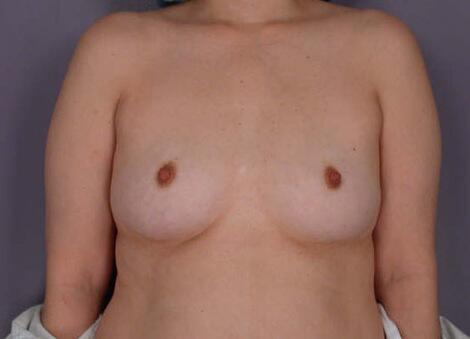
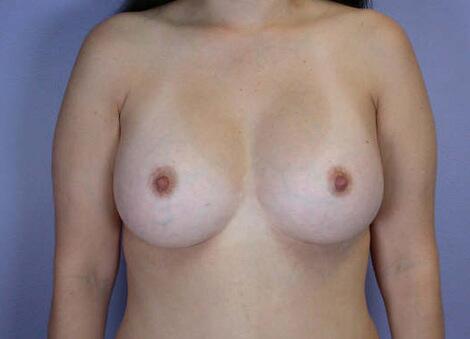
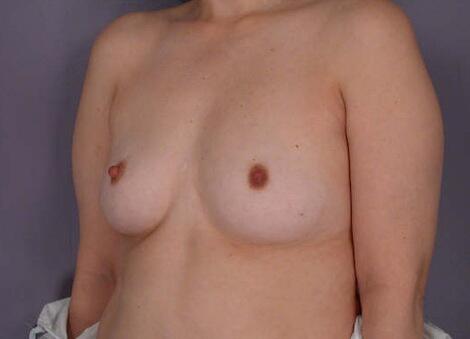
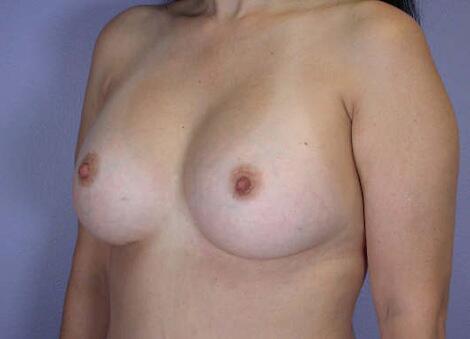
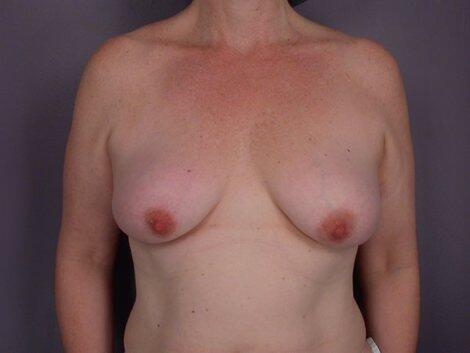
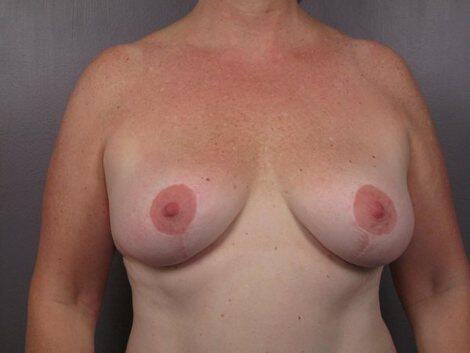
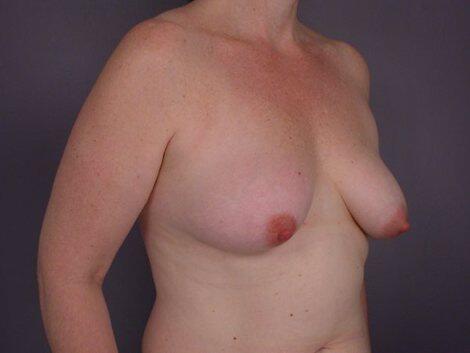
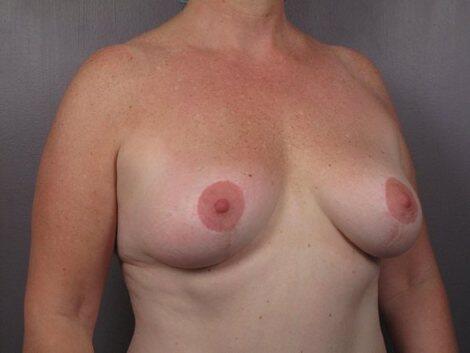
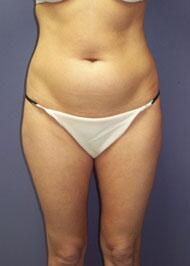
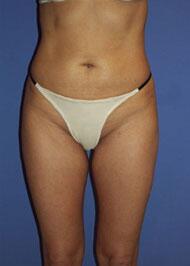
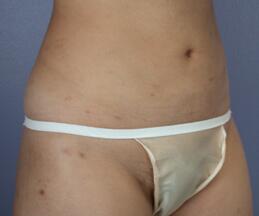
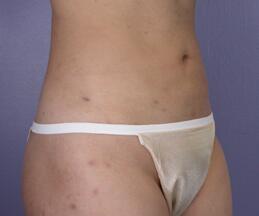
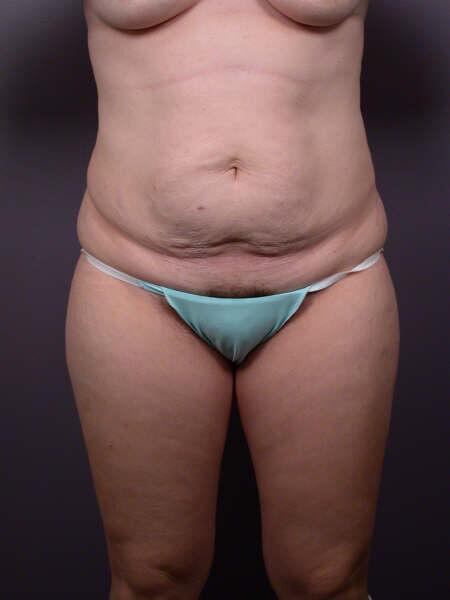
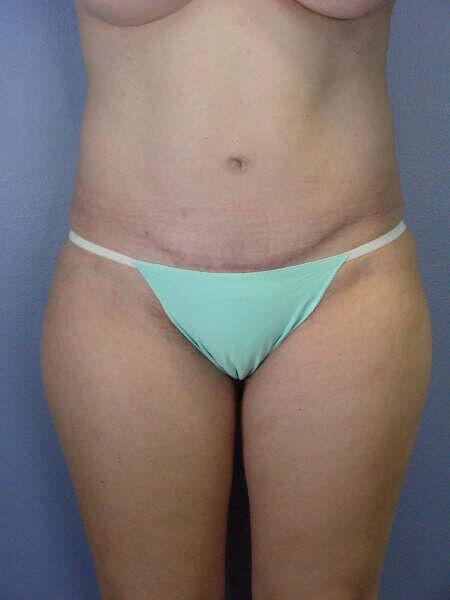
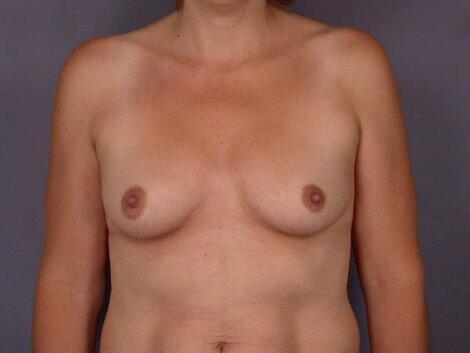
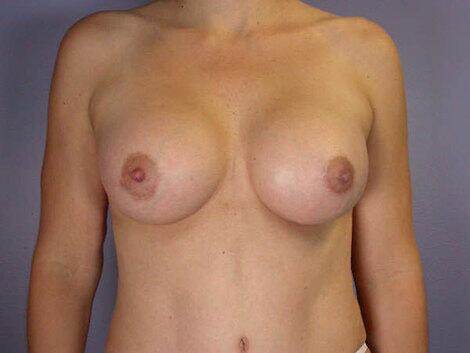
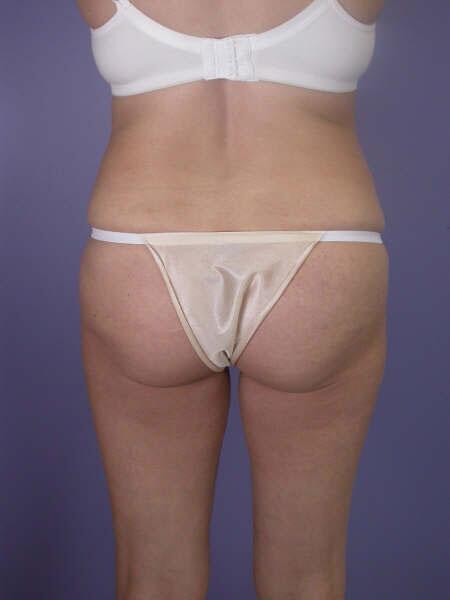
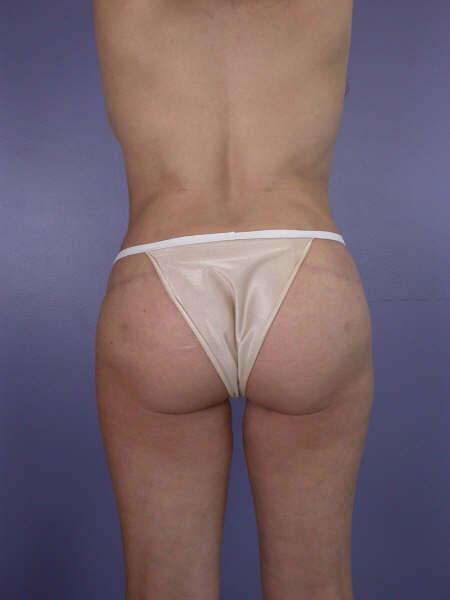
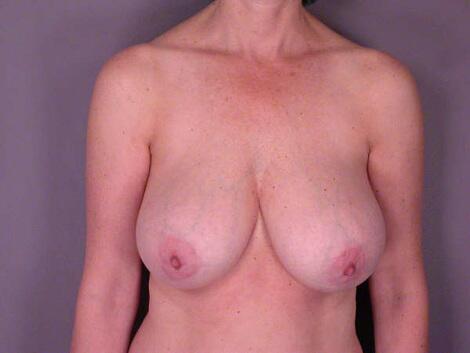
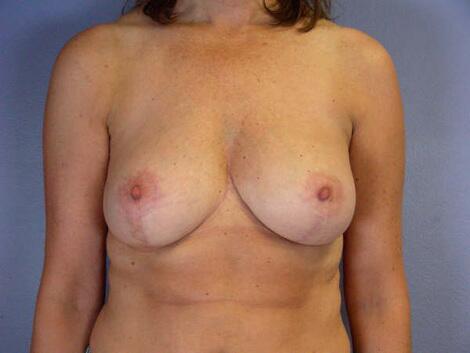
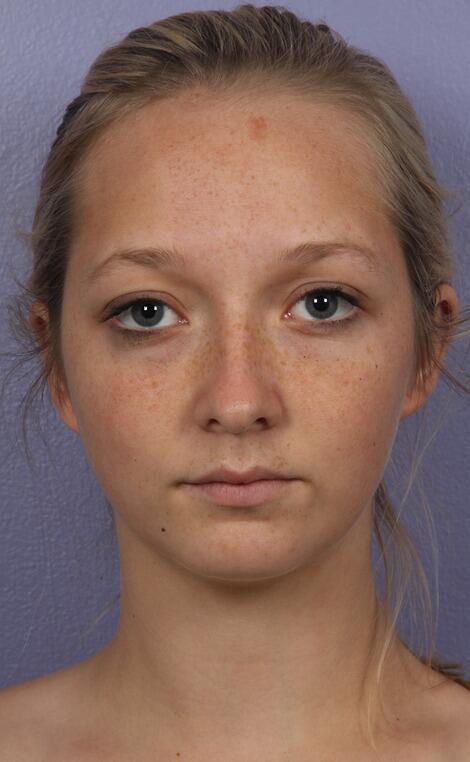
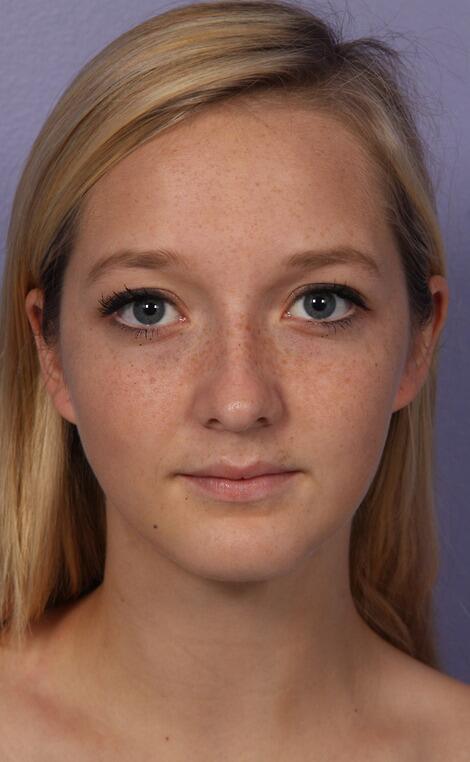
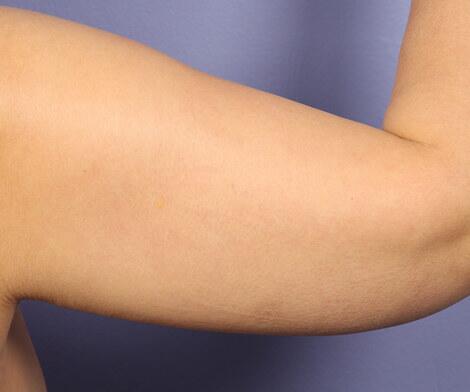
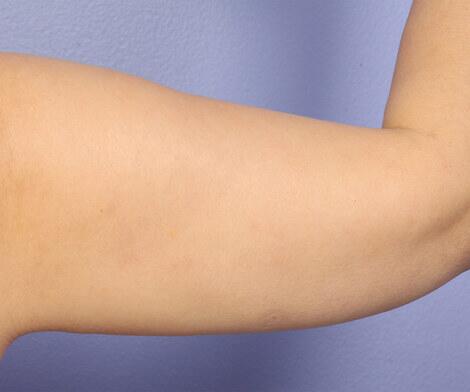
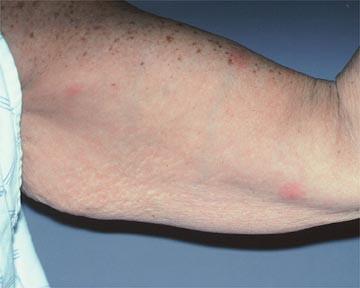
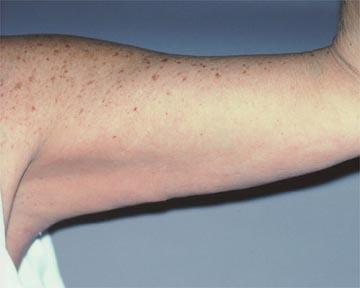
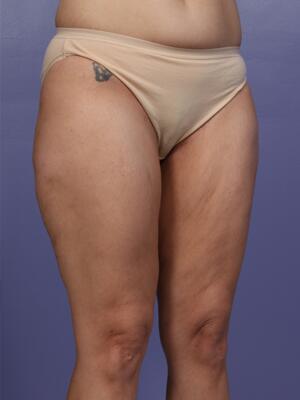
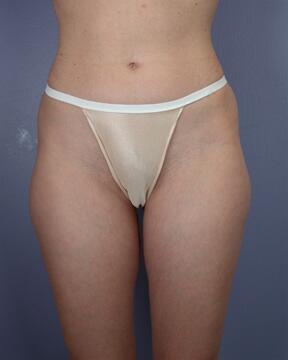
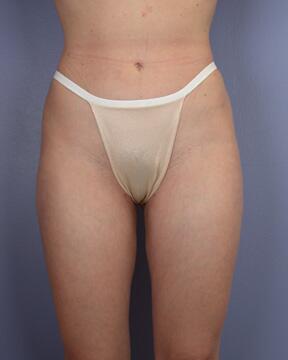
See before & after photos of actual patients from Marina Plastic Surgery.
Liposuction gives the surgeon direct control over where fat is removed and how one area transitions into the next. Depending on your anatomy and treatment plan, potential benefits include:
Liposuction removes fat cells from the treated area. The remaining fat cells can still enlarge with weight gain, and the quality of the final contour depends partly on skin elasticity, healing, and the amount of fat removed.
Liposuction can treat localized subcutaneous fat across the face and body. It does not remove visceral fat located inside the abdominal cavity, repair separated abdominal muscles, or remove substantial loose skin. The strongest treatment plan considers the target area together with the contours around it.
Abdominal liposuction can reduce fat beneath the skin of the upper or lower abdomen. Treating the waist and flanks at the same time may create a smoother transition through the torso and more visible waist definition.
Skin quality and the abdominal wall still matter. Liposuction alone may be sufficient when the skin can contract around the smaller contour. Loose skin or muscle separation after pregnancy or weight loss may require a tummy tuck instead of, or in addition to, fat removal.
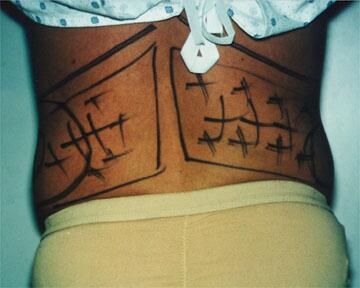
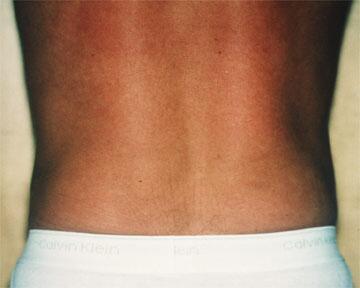
Lipo 360 is a planning term for circumferential liposuction of the torso. It may include the abdomen, waist, flanks, lower back, and other connected areas based on the patient’s anatomy. There is no single standardized Lipo 360 pattern that applies to every body.
The goal is continuity. Removing fat aggressively from the abdomen while leaving fullness at the flanks or back can create abrupt transitions. A careful Lipo 360 plan considers the torso from every angle and leaves enough tissue to support a smooth, natural contour.
Lipo 360 remains a body-contouring procedure rather than a weight-loss treatment. It cannot tighten separated abdominal muscles or remove an apron of loose skin. Those concerns may call for abdominoplasty or another excisional body procedure.
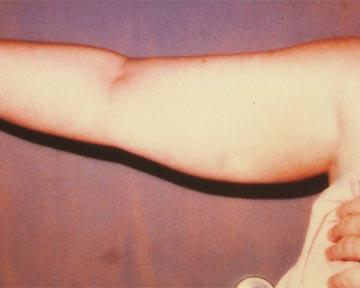
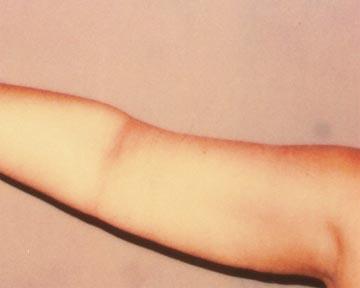
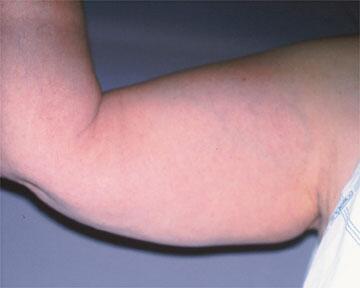
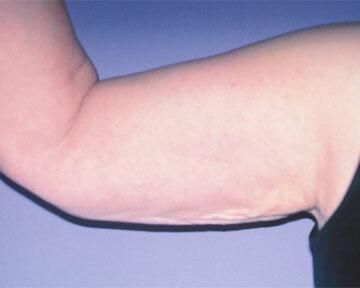
Arm liposuction reduces localized fat along the upper arms, particularly when fullness remains despite a stable weight. The surgeon must consider the shoulder, inner arm, elbow, and side of the chest together so that the result does not stop abruptly in one area.
Skin elasticity is especially important in the arms. Liposuction can reduce volume, but it cannot reliably correct significant hanging skin. When laxity is the dominant concern, an arm lift may provide a more complete correction.
Liposuction beneath the chin can reduce submental fat and reveal a clearer transition between the jawline and neck. Small changes in this area can have a noticeable effect on the profile because the treatment is working close to the jaw, chin, and upper neck.
A soft jawline is not always caused by fat alone. Skin laxity, neck muscle position, chin projection, and bone structure can also affect definition. Marina Plastic Surgery evaluates these features before recommending neck liposuction as a standalone procedure or part of a broader facial plan.
Liposuction can refine the hips and the inner or outer thighs when localized fullness disrupts the line of the lower body. Small deposits around the inner knees may also be treated to improve the transition between the thighs and calves.
Symmetry and restraint are particularly important in the legs. The surgeon must preserve a smooth layer beneath the skin and consider how the thighs look while standing and moving.
Upper-back, bra-line, and lower-back fat can create rolls or interrupt the transition into the waist. These areas may be treated independently or as part of a circumferential torso plan. Dense or fibrous tissue can influence which liposuction instrument the surgeon selects.
Liposuction surgery breaks up body fat cells and then suctions them out of your body. Liposuction completely and permanently removes targeted fat cells in selected body areas. When you gain weight, fat cells increase in both size and numbers. This fat removal procedure reduces the number of fat cells in a specific area. Liposuction is available to both women and men. Liposuction is not a weight-loss procedure or a treatment for obesity. If you are overweight, you will likely get better results using gastric bariatric surgery. Be aware that lipo will not treat cellulite, nor will it repair or remove stretch marks.
Liposuction is designed for localized fat that remains despite a reasonably stable weight. Strong candidates are in good general health, understand that the procedure changes contour rather than overall body size, and have enough skin elasticity to adapt to the reduced volume.
Your surgeon will evaluate the location and depth of the fat, skin quality, previous scars, asymmetry, medications, nicotine use, and any health condition that could affect anesthesia or healing. The number of areas being considered also matters. Treating a small pocket beneath the chin involves a different recovery and safety plan than circumferential torso liposuction.
Loose skin, cellulite, stretch marks, muscle separation, and visceral abdominal fat require a different conversation because liposuction does not directly correct them. Your consultation should determine whether fat removal alone will produce a smooth contour or whether skin removal, muscle repair, staging, or another procedure is more appropriate.
Good liposuction is visible in the transitions. The surgeon has to know where fat can be reduced, where support should remain, and how the treated area will connect with the rest of the frame. Removing the greatest possible volume is rarely the best route to a refined result. The plan should protect skin quality, avoid hollow or overtreated areas, and look balanced from multiple angles.
Marina Plastic Surgery’s team includes board-certified Chief Medical Officer Dr. Justin Perez and fellowship-trained plastic surgeons Dr. Osita Obi and Dr. Samantha Maliha. Each completed the aesthetic surgery fellowship established by Marina founder Dr. Grant Stevens. That shared training informs an approach built around anatomy, proportion, tissue quality, and realistic surgical planning.
The practice can evaluate several forms of liposuction rather than forcing every patient into one technology. Technique selection depends on the density of the tissue, treatment area, amount of refinement required, previous surgery, and whether liposuction will be performed alone or with another procedure.
Marina’s outpatient surgery center is accredited by the American Association for Accreditation of Ambulatory Surgery Facilities, and its anesthesiologists are certified by the American Board of Anesthesiology. Care continues through postoperative visits so the team can monitor swelling, incision healing, compression, activity progression, and the developing contour.
Liposuction techniques differ in how the treatment area is prepared and how the fat is loosened before removal. One technology is not automatically more precise or effective for every person. The surgeon’s plan, cannula control, tissue handling, and understanding of the surrounding anatomy remain central to the result.
Tumescent liposuction uses a fluid containing saline, local anesthetic, and medication that constricts blood vessels. The solution prepares the tissue for fat removal and helps manage bleeding and discomfort. The overall anesthesia plan still depends on the size and number of areas being treated.
Power-assisted liposuction uses a mechanically vibrating cannula to help the surgeon move through fatty tissue. It can be useful in larger, denser, or previously treated areas and may reduce the physical force needed during aspiration.
Ultrasound-assisted liposuction applies ultrasonic energy to disrupt fat before it is removed. It may be considered for fibrous tissue or selected body-contouring plans. Because it introduces energy beneath the skin, careful technique is needed to manage the risk of heat-related injury.
SmartLipo is a form of laser-assisted liposuction. Laser energy disrupts fat before aspiration and may provide a degree of tissue contraction in selected patients. It cannot replace an arm lift, tummy tuck, or other skin-removal procedure when laxity is substantial.
More than one method may be used during a procedure. Your surgeon will explain why a particular instrument or combination fits the tissue being treated.
Your consultation begins with a physical assessment of the areas you want to change and the contours surrounding them. Your surgeon will distinguish subcutaneous fat from loose skin, muscle laxity, cellulite, and deeper visceral fat. Skin thickness, elasticity, asymmetry, previous surgery, scars, and the way your body looks in different positions can all affect the plan.
This is also where the scope becomes clear. Treating one small area may be reasonable, while another goal may require several connected areas to avoid uneven transitions. Your surgeon will discuss the proposed incision locations, anesthesia, compression garment, anticipated recovery, and whether another procedure would address the concern more directly.
Bring a complete list of medications and supplements, along with information about allergies, previous procedures, medical conditions, weight changes, and nicotine use. Be candid about your priorities. A request for maximum fat removal may lead to a different conversation than a goal of subtle waist definition or improvement beneath the chin.
Preparation may include:
Do not stop a prescribed medication without guidance from the prescribing clinician and Marina Plastic Surgery. Instructions will reflect your health, treatment areas, anesthesia plan, and procedure extent.
The cost of liposuction will vary, depending on the size and locations of your treatment areas. Also, because every patient's goals and needs are differet, the liposuction techniques applied will also vary. During your consultation at Marina Plastic Surgery, you should have a comprehensive discussion with your doctor about costs prior to your treatment.
Depending on the scope and extent of your procedure, liposuction is performed using either general anesthesia or localized sedation. And, again depending on the amount and locations of fat cells removed, your surgery may be performed in a same-day-release outpatient facility or a hospital, requiring at least an overnight stay. Thorough cleansing of your skin will precede your procedure to reduce the risk of surgical infection. After you’ve received your prescribed form of anesthesia, your targeted treatment areas may be injected with a combination of medications designed to break up and dissolve your fat cells. During your surgery, your medical team will at all times monitor your vital signs.
Your lipo could last several hours, depending on the size of your treatment areas and the amount of fat removed. In most liposuction procedures, your surgeon will make small incisions into your skin and insert a thin tube called a cannula. The cannula is connected to a vacuum that suctions fat from your treatment areas. Your incisions will be closed, usually with absorbable sutures. Your doctor may require that you wear a compression garment on your treatment areas immediately after surgery to minimize fluid accumulation. Typically, you will spend at least a few hours in a recovery room until your body clears all anesthesia. Whether your liposuction is “day surgery” in an outpatient center or requires at least a night’s stay in a hospital, make sure you have arranged for someone to drive you home.
Recovery depends on the number, size, and location of the treated areas. Liposuction beneath the chin or in one small body area usually creates a different recovery than Lipo 360 or liposuction performed with another surgery.
Swelling, bruising, soreness, firmness, and temporary changes in sensation are expected early in healing. You may be asked to wear a compression garment to support the treated tissues and manage swelling. Light walking is encouraged according to your surgeon’s instructions, while strenuous exercise and heavy lifting remain restricted until the tissues have healed sufficiently.
A desk-based return may be possible within several days after limited treatment, while broader liposuction can require one to two weeks or longer. Physically demanding work requires additional time. Swelling decreases gradually, so the contour continues to refine for several months.
Small access incisions usually leave short scars, but every incision creates a permanent scar. Placement, skin type, genetics, sun exposure, and postoperative care all influence how those marks mature.
A change in volume is visible early, but postoperative swelling initially softens the new shape. Definition becomes clearer over the following weeks and continues to refine as the tissues settle. Broader or circumferential treatment generally takes longer to reveal its final contour than a small isolated area.
Fat cells removed by liposuction do not grow back. The fat cells that remain elsewhere in the treated and untreated areas can enlarge if weight increases. A relatively stable weight helps preserve the proportions created during surgery.
Skin elasticity also influences the result. Firm skin may contract around the reduced volume, while thin or significantly stretched skin may remain loose. Your surgeon should discuss that limitation before surgery rather than relying on liposuction to create skin tightening it cannot reliably deliver.
A liposuction consultation should answer three practical questions: what is creating the fullness, which areas need to be treated together, and how well the skin is likely to adapt afterward. Marina Plastic Surgery will evaluate those variables and build a plan around your anatomy rather than a standard package.
Request a private consultation at the Brentwood office to discuss treatment areas, technique, recovery, cost, and realistic results. Patients closer to the San Gabriel Valley can also explore liposuction in Pasadena.
Liposuction can treat localized subcutaneous fat in areas such as the abdomen, waist, flanks, back, hips, thighs, knees, calves, ankles, upper arms, chin, and neck. Whether a specific area can be treated successfully depends on the amount of fat, skin quality, surrounding anatomy, and overall surgical plan.
Lipo 360 uses liposuction to contour connected areas around the torso instead of treating one isolated pocket. The plan may include the abdomen, waist, flanks, and back. It is not a separate device or standardized operation, and the areas included should be defined during consultation.
Liposuction removes fat beneath the skin. Skin with good elasticity may contract around the smaller contour during healing, but the procedure cannot reliably remove or tighten substantial laxity. An arm lift, tummy tuck, body lift, or another skin-removal procedure may be more appropriate when loose skin is the primary concern.
The fat cells removed from a treated area are permanently gone. Remaining fat cells can enlarge if you gain weight, which can change both treated and untreated areas. Maintaining a relatively stable weight helps preserve the new proportions.
Liposuction is designed to reshape selected areas rather than produce meaningful weight loss. The number on the scale may change only modestly even when the visual improvement is significant. Weight-loss treatment should occur separately from surgical body contouring.
The timeline depends on the amount of fat removed, number of areas treated, technique, anesthesia, and physical demands of your work. Limited liposuction may allow a desk-based return within several days. Multi-area or circumferential treatment can require one to two weeks or longer, with exercise restricted until your surgeon clears it.
Anesthesia is used during surgery. Afterward, soreness, swelling, bruising, tightness, and tenderness are common. The intensity depends on the treatment area and extent of surgery. Marina Plastic Surgery will provide an individualized pain-management and aftercare plan.
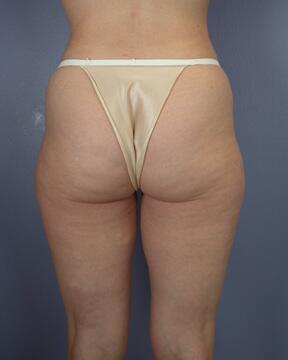
Liposuction does not remove stretch marks and is not a reliable cellulite treatment. Changes in the fat layer can occasionally make surface irregularities more visible, particularly when the skin is thin or lax. Your surgeon should evaluate skin texture separately from excess fat.

Risks include bleeding, infection, anesthesia complications, fluid accumulation, contour irregularity, asymmetry, persistent changes in sensation, poor wound healing, pigmentation changes, loose or rippled skin, blood clots, injury to deeper structures, and the possibility of revision surgery. Energy-assisted techniques also carry a risk of thermal injury. Your individual risks will be reviewed before consent.
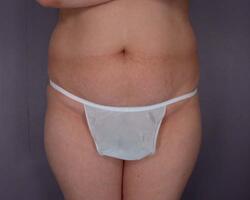
Yes. Liposuction may be combined with procedures such as a tummy tuck, breast surgery, facial surgery, or fat transfer when the combination is appropriate for your health and the anticipated operating time. Some plans are safer or easier to recover from when staged.
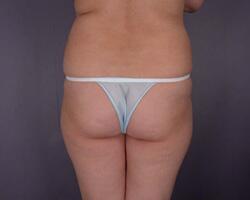
There is no responsible universal volume. The safe amount depends on your health, body size, treatment areas, anesthesia, fluid management, facility, and whether another surgery is being performed. Larger-volume procedures require additional safety considerations and may need to be staged. The goal should be a controlled, proportional contour rather than the maximum possible extraction.
Cosmetic liposuction is generally not covered by health insurance. Marina Plastic Surgery will provide a personalized quote after determining the treatment areas and surgical plan. Qualified patients can also ask about the practice’s financing options.
Discover why people from all 50 states and 63 countries around the world have made the journey to become our Patients for Life®. Schedule your consultation today to experience the industry-defining innovation and dedicated attention to detail of Marina Plastic Surgery in Los Angeles.
Pasadena location